
Choosing the right advertising format can make or break your marketing budget. While both display ads and search ads have their place in digital marketing, understanding their differences helps you spend money where it counts most.
Many businesses waste thousands of dollars running the wrong type of campaign at the wrong time. The good news? Once you understand how display ads vs search ads work differently, making smart decisions becomes much easier.
Understanding Search Ads
Search ads show up when people type questions or product names into Google, Bing, or other search engines. These ads appear above or below the regular search results and look similar to normal listings, except they're marked as advertisements.
The power of search advertising comes from timing. When someone searches for "plumber near me" or "best laptop under $1000," they're actively looking for solutions. This makes them much more likely to click and convert compared to someone who just stumbles across an ad.
Search ads use a bidding system where advertisers compete for specific keywords. Higher bids and better ad quality typically mean better positions, but the cost can add up quickly for popular search terms.
How Search Targeting Works
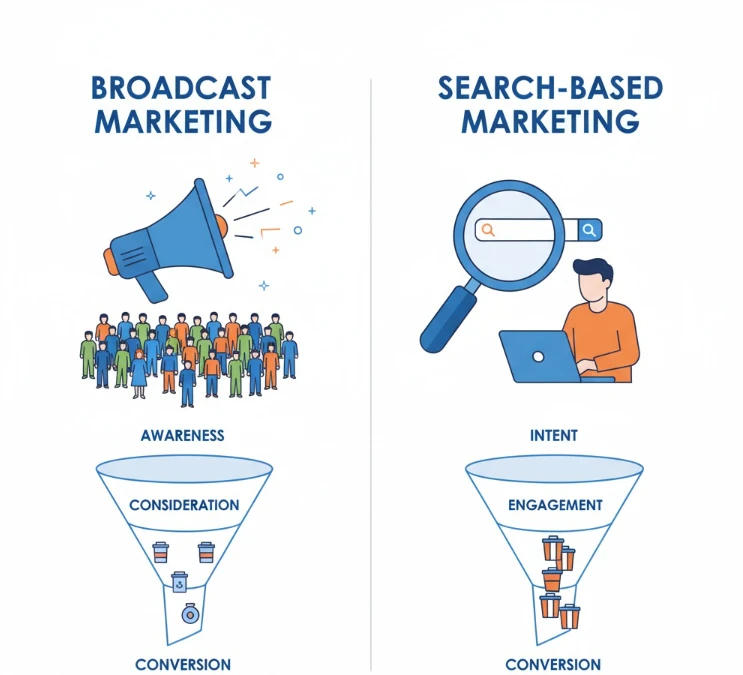
Search advertising targets intent rather than demographics. The platform looks at what someone typed and shows relevant ads based on that query. This targeting method is precise but limited - if people don't search for your product category, search ads won't reach them.
Location targeting adds another layer. A restaurant can show ads only to people searching within a certain radius, while an online business might target nationwide or globally.
What Display Ads Bring to the Table
Display ads work completely differently. Instead of waiting for searches, they appear on websites, apps, and social platforms while people browse content. These visual ads can include images, videos, animations, and interactive elements.
The main advantage of display advertising is reach. These ads can introduce your brand to people who might never search for your products but could become customers once they know you exist.
Display ads target audiences rather than keywords. Advertisers can reach people based on:
- Age, gender, income, and location
- Interests like cooking, sports, or technology
- Past website visits or purchase behavior
- Similar characteristics to existing customers
This targeting flexibility makes display ads powerful for businesses that need to build awareness or reach new market segments.
Core Differences That Matter
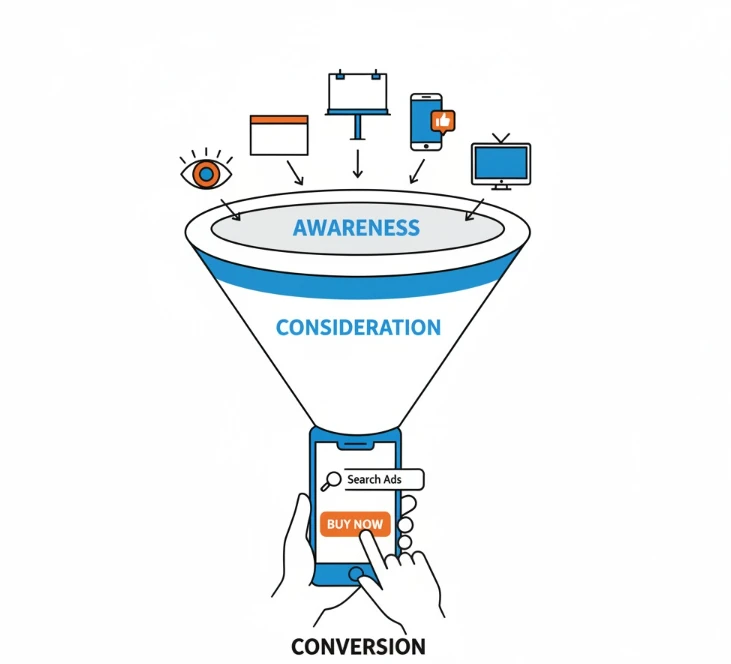
The biggest difference between display ads vs search ads comes down to where people are in their buying process. Search ads catch people who already know they want something. Display ads can create that want in the first place.
Cost per click usually runs higher for search ads because the traffic quality is better. Someone clicking a search ad is often ready to buy, while someone clicking a display ad might just be curious.
Conversion rates reflect this difference. Search ads typically convert between 2-5% of clicks into sales or leads. Display ads often convert at 0.5-1%, but they can generate much higher overall traffic volumes.
Performance measurement also differs. Search ads focus heavily on direct conversions and return on investment. Display ads need broader metrics that account for brand awareness and influence on future searches.
When Search Ads Make Sense
Search advertising works best for businesses solving urgent problems or selling products people actively research. Emergency services, professional consultations, and specific product categories all perform well with search campaigns.
High-value transactions often benefit from search ads because the higher cost per click pays off when conversions are worth hundreds or thousands of dollars. Real estate, legal services, and expensive equipment sales fit this model.
Search ads also suit businesses with limited budgets who need every click to count. Since search traffic is pre-qualified by intent, smaller campaigns can still generate meaningful results.
Where Display Ads Excel
Display advertising shines when building brand recognition or reaching people who don't know your solution exists yet. New product launches, innovative services, and emerging brands often see better results from display campaigns.
Visual products benefit significantly from display ads. Fashion, food, travel, and home goods all perform better when people can see what they're buying before clicking.
Display ads work particularly well for retargeting campaigns. Showing ads to people who visited your website but didn't buy creates multiple touchpoints that can lead to eventual conversions.
Measuring What Matters
Success metrics depend entirely on your advertising goals and chosen format. Search campaigns typically focus on immediate, measurable outcomes like sales, leads, or phone calls.
Display campaigns require a longer view. While direct conversions matter, assisted conversions and view-through conversions often tell a more complete story. Someone might see a display ad on Monday and search for your brand on Friday.
Attribution becomes more complex with display advertising. Many platforms now offer multi-touch attribution that shows how different ads work together to drive conversions.
Budget Considerations
Search ads often need less total budget to generate results, but the cost per click can be steep for competitive keywords. A small business might spend $500 monthly and see decent results if they choose their keywords carefully.
Display ads typically require larger budgets to achieve meaningful reach and frequency. The lower cost per click means you can afford more impressions, but you need volume to see significant impact.
The following budget guidelines help with planning:
- Search ads: Start with $1,000-3,000 monthly for competitive industries
- Display ads: Plan for $2,000-5,000 monthly minimum for meaningful reach
- Combined campaigns: Allocate 60-70% to search, 30-40% to display initially
Making Smart Choices
The decision between display ads vs search ads shouldn't be made in isolation. Consider your customer's typical buying process, your budget constraints, and your business goals.
For immediate results and direct response marketing, search ads typically deliver faster returns. For long-term brand building and reaching new audiences, display ads create valuable awareness that pays off over time.
Many successful businesses use both approaches strategically. Search ads capture demand that already exists, while display ads create new demand and keep the brand visible during the consideration process.
Testing remains the best way to determine what works for your specific situation. Start with smaller budgets, measure carefully, and scale what delivers results. The data will guide better decisions than assumptions about what should work.
Understanding these fundamental differences helps you invest marketing dollars more wisely and avoid the common mistake of running the wrong campaign type for your goals.
































Sign in to leave a comment.