
I still remember the first CRM I inherited: a file full of names, half a dozen email addresses, and nothing else. It felt like being handed a library with all the books sealed shut. We were expected to sell, market, and personalize experiences with barely any context. That was the day I learned the quiet power of contact enrichment and why, in a world chasing personalization, it’s suddenly non-negotiable.
If you’re exploring a career in IT or data, or you’re simply responsible for making customer interactions feel human again, these trends will help you build the skills and perspective that matter.
Why personalization makes contact enrichment essential
Personalization without data is paint on a blank wall nice color, no texture. The move from broad, spray-and-pray campaigns to tailored, respectful outreach has pushed teams to ask better questions: Who is this person? What matters to them? Where did they interact with us? Answering those questions requires more than names and emails. It needs data enrichment that fills in context, reduces guesswork, and lets software behave like a thoughtful human.
1. First Party Data and Zero Party Data are front and center
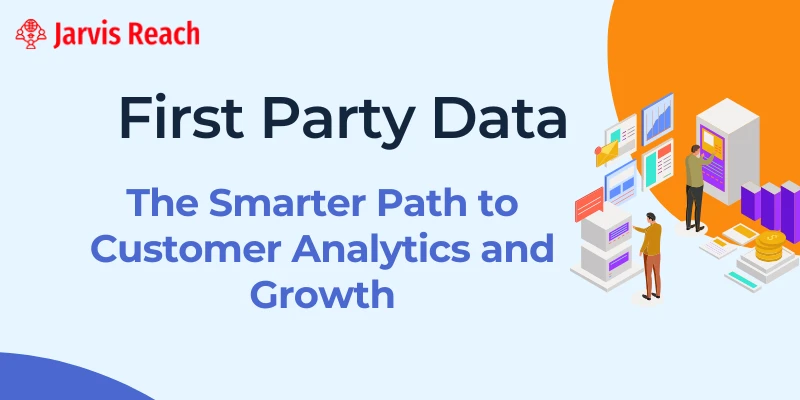
Companies are rediscovering the value of the information customers give them. First Party Data interactions you collect directly, like website behavior, purchase history, and form submissions is now a strategic asset. Even more powerful is zero party data: the preferences and intentions customers explicitly share (think preference centers and direct survey responses).
Why this matters for you: systems that capture, structure, and feed this data into crm systems enable genuinely personalized experiences the kind that don’t feel creepy because the user volunteered the info. If you’re building or maintaining data pipelines, prioritize fields and flows that keep zero- and first-party signals clean and connected.
2. The slow decline (and reinvention) of third party data
third party data isn’t dead, but its role is changing. With privacy regulations and browser restrictions, blind buying of external lists is unreliable. Rather than treating third party sources as the main act, smart teams use them as supplementary signals cross checks to help validate or augment internal profiles.
Practical takeaway: set up enrichment workflows where third party feeds are used to improve confidence scores and identify gaps, not to overwrite customer-provided details.
3. AI-powered crm enrichment is here and it’s practical
AI is no longer a buzzword demo; it helps turn sparse records into useful profiles. crm enrichment now routinely uses natural language processing and predictive models to infer job titles, company details, and likely interests from partial data. That means a brittle contact record can suddenly support segmentation, lead scoring, and routing.
A friendly warning from the trenches: automated enrichment is great, but it amplifies garbage input. Build validation layers and surface confidence scores so humans know when to trust the model.
4. Real-time enrichment: personalization that keeps up
Batch updates are fine for housekeeping. Real-time enrichment is what lets your app offer contextually relevant experiences in the moment a live chat that already knows the customer’s recent purchase, or a support view that surfaces the most relevant documentation.
If you’re an IT professional, focus on event-driven architectures and lightweight enrichment endpoints. The faster the enrichment, the closer personalization feels to a human conversation.
5. Consent management isn’t optional it’s foundational
Personalization without permission is a fast track to backlash. consent management platforms and processes ensure customers control what’s collected and how it’s used. That control affects which enrichment sources you can tap, and whether certain attributes are available for personalization.
Design your data enrichment flows to respect consent flags at every step. Architect systems so consent can be checked in real time and log those checks for auditability. This is a technical requirement and a trust-building practice.
6. Quality over quantity: the new KPI for enrichment
Anyone can add ten attributes to a contact record. The trick is adding useful ones. Teams are shifting metrics from “how many fields filled” to “how many fields improved conversion or experience.” In other words, enrichment should map to outcomes.
Start with a hypothesis (e.g., adding industry and company size improves demo conversions), test, measure, and iterate. As you do, document which enrichment sources reliably move the needle that intel is gold for product and sales strategy.
7. Explainability and governance for enriched data
When automated systems enrich records, downstream teams need to know where an attribute came from and how trustworthy it is. Good governance means provenance fields, timestamps, and confidence scores tied to each enrichment action.
If you want a career edge: learn to implement audit trails and simple UIs that let non-technical teams inspect and correct enriched data. Those tools reduce mistakes and keep stakeholders confident in personalization efforts.
A short real-world story: from chaos to actionable profiles
At a previous company, our marketing team was drowning in leads that never converted. We implemented a small enrichment pipeline: append company domain info, verify email deliverability, and fetch role-level indicators. We combined crm enrichment with customer-provided preferences (zero party data) and enforced consent flags.
Result: sales could prioritize warm leads with clearer job context, and marketing tailored follow-ups based on stated preferences. Conversion improved measurably and the best part was the team could see which enrichment steps drove value, so they invested selectively rather than indiscriminately.
What this means if you’re building a career in IT
If you’re exploring IT roles, the ability to design and operate respectful, efficient enrichment systems will make you valuable. Focus on:
- Data modeling for contact profiles (what fields matter and why).
- Building event-driven pipelines for real-time enrichment.
- Integrating consent management right into data flows.
- Implementing validation, provenance, and explainability for enriched attributes.
- Learning practical AI tooling for entity resolution and feature extraction (not flashy demos useful, testable models).
These skills let you bridge technical work and business impact a very attractive combination.
Conclusion small steps you can take today
Contact enrichment is the bridge between raw customer records and meaningful personalization. Start small: pick one contact attribute that would materially improve outreach (company size, role type, or stated preference) and build a reliable enrichment path for it respecting consent and tracking outcomes. Over time, those small, proven wins compound into a data foundation that actually helps people.
If you’re curious, pick a dataset you can experiment with, add a simple enrichment provider, and watch the conversations change. Personalization stops feeling like a marketing trick and starts feeling like service.





























Sign in to leave a comment.