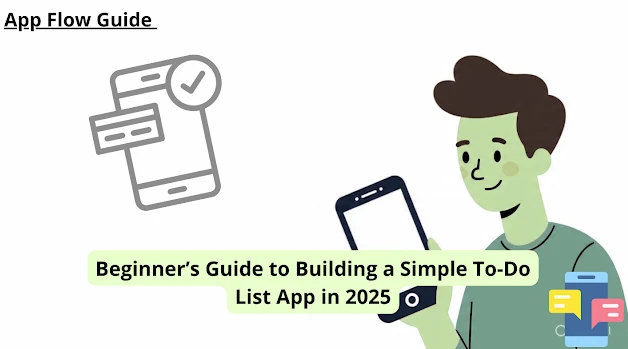

Beginner’s Guide to Building a Simple To-Do List App in 2025
Have you ever thought about creating your own app but felt overwhelmed by the complexity of coding? Don’t worry—you’re not alone. One of the best ways to start your journey into mobile app development is by building something simple yet practical, like a to-do list app.
In this guide, I’ll walk you step by step through the process of building a basic to-do list app in 2025, even if you’re a beginner. By the end, you’ll have a functional app and, most importantly, the confidence to explore bigger projects.
Why Start with a To-Do List App? 🤔
- It’s simple: The logic is easy to understand—add, edit, and remove tasks.
- It’s useful: Almost everyone uses lists to stay organized.
- It’s scalable: You can later add reminders, priorities, or even cloud sync.
- It’s motivating: You’ll see results quickly, which keeps you inspired to learn more.
Step 1: Define the Core Features
Before writing any code, list the features your app should have. For a beginner-friendly to-do list app, keep it simple:
- Add a new task
- Mark tasks as completed
- Delete tasks
- Optional: Edit existing tasks
That’s it! Remember, less is more when you’re just starting out.
Step 2: Choose the Right Tools 🛠️
In 2025, beginners have more options than ever. You can either use no-code platforms or learn basic coding with beginner-friendly frameworks:
- No-code tools: Thunkable, Glide, or Adalo let you drag and drop features without coding.
- Coding frameworks: Flutter and React Native allow you to build cross-platform apps with one codebase.
- Beginner tip: Start with no-code if you want fast results, then move to coding once you feel comfortable.

























Sign in to leave a comment.