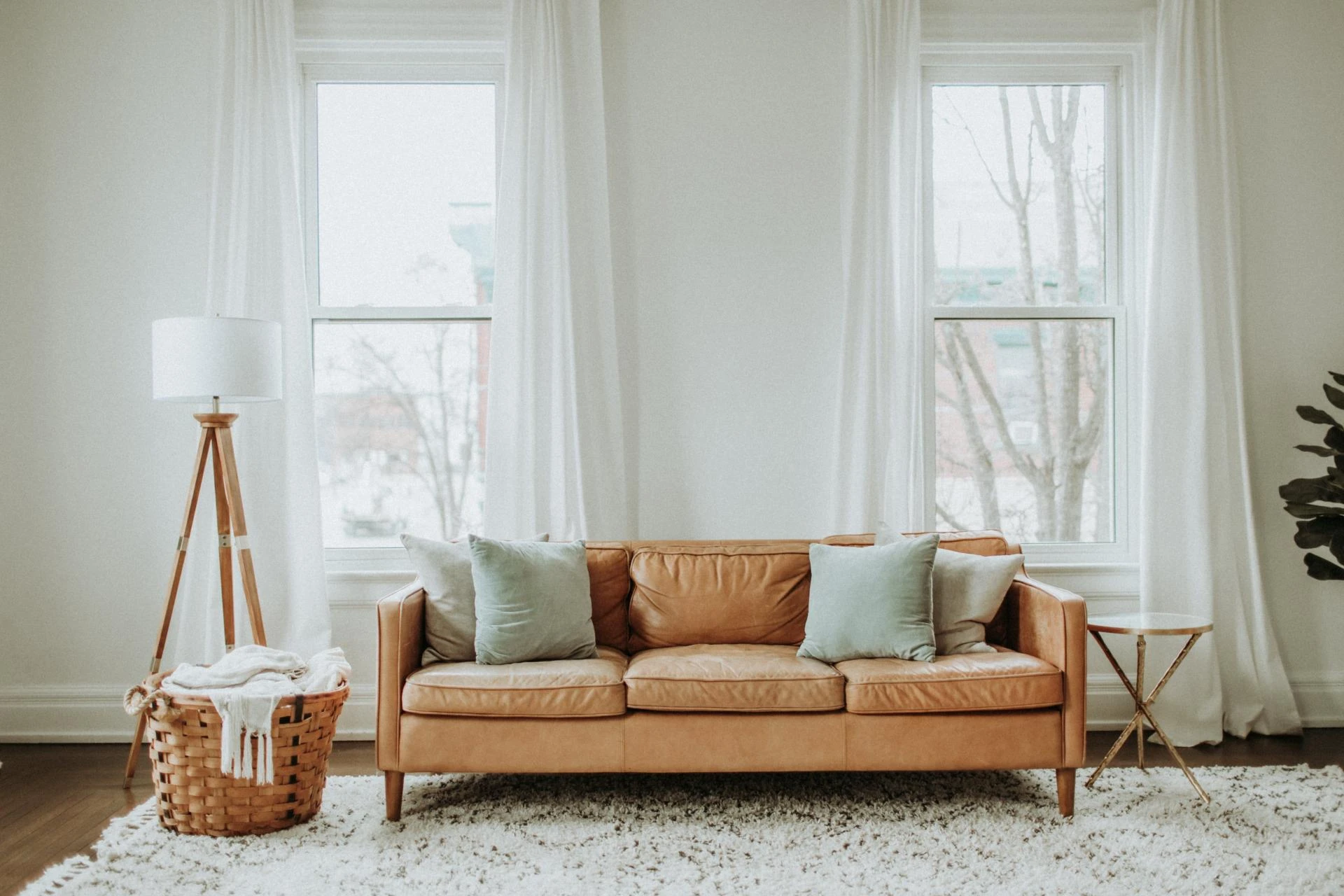

Interior design is an art that combines creativity with functionality. Whether you live in a cozy apartment or a spacious family home, transforming your space can greatly enhance its aesthetic appeal and overall comfort. If you're looking to refresh your living environment without breaking the bank, this guide will provide you with effective design hacks that work. With a mix of simple tips and innovative ideas, you can elevate any room in your home.
1. Start with a Plan
Create a Vision Board
Before diving into any design projects, it's essential to have a clear vision of what you want. Consider creating a vision board filled with colors, textures, furniture styles, and decor elements that inspire you. Use magazines, Pinterest, or even Instagram to gather images that resonate with your style. This visual representation will serve as a guiding light throughout your design journey.
Define Your Goals
What do you want to achieve with your design changes? Are you looking to make a space feel more open, cozy, or functional? Define your goals to ensure your design choices align with your vision. This step will streamline your decision-making process and help you stay focused.
2. Declutter and Organize
The Power of Simplifying
One of the quickest ways to transform a space is to declutter. Begin with one room at a time. Remove items you no longer use or need. This may involve sorting through clothes, books, decor, and furniture. As you declutter, think about each item’s function and emotional value. If an item doesn’t serve a purpose or spark joy, consider donating or discarding it.
Smart Storage Solutions
Once you’ve decluttered, it’s time to organize. Invest in storage solutions that enhance the look of your space while keeping it functional. Use decorative baskets, stylish bins, and shelving units to maintain order without sacrificing style. For example, use clear acrylic boxes to showcase beautiful items while keeping them organized and easily accessible.
3. Play with Color and Texture
Refresh with Paint
A fresh coat of paint can dramatically change the ambiance of a room. Consider painting an accent wall to create a focal point or go for a complete color overhaul for a bold transformation. Use neutral colors for a calming effect or vibrant hues to infuse energy. Additionally, consider using different finishes – matte, satin, or glossy – to add depth.
Texture Matters
Incorporate various textures to create visual interest. Mix soft textiles like plush throw pillows and textured rugs with harder materials such as metal or wood. For instance, a velvet couch paired with a wooden coffee table brings balance and sophistication to the space. Don’t hesitate to experiment with combinations until you find the right mix that reflects your personality.
4. Invest in Statement Pieces
Centerpieces that Wow
Sometimes, a single statement piece can elevate an entire room. Consider investing in a standout item, such as a large piece of artwork, a unique light fixture, or an eye-catching piece of furniture. These elements draw attention and provide a conversation starter.
Choose Functional Furniture
When selecting furniture, opt for pieces that serve multiple functions. For example, a coffee table with built-in storage can reduce clutter while providing style. A sofa bed or expandable dining table can accommodate guests without taking up unnecessary space when not in use.
5. Create Zones for Functionality
Define Spaces
In open-concept homes, creating distinct zones can enhance functionality and aesthetic appeal. Use rugs, furniture arrangement, or even room dividers to differentiate spaces within one area. For example, place a rug under the dining table to create a dining zone, while a cozy seating arrangement can establish a living area.
Balance and Harmony
Ensure that each zone flows seamlessly into the next. Use complementary colors, materials, and patterns across different areas to maintain harmony. This coherence will make your home feel more intentional and well-designed.
6. Layering Lighting
Importance of Lighting
Lighting can make or break a space. It influences mood, visibility, and ambiance. Embrace a layered lighting approach by combining ambient, task, and accent lighting. Use overhead lights for general illumination, table lamps for reading areas, and decorative fixtures to highlight artwork or architectural features.
Dimmer Switches and Natural Light
Consider installing dimmer switches to control the intensity of your lighting. Additionally, maximize natural light by using sheer curtains instead of heavy drapes. Reflective surfaces, such as mirrors, can also help bounce light around the room, making it feel larger and more inviting.
7. Personalize Your Space
Showcase Your Personality
Finally, don’t forget to make the space your own. Incorporate personal touches that reflect your style and interests. Display photographs, travel souvenirs, or handcrafted items that tell your story. These elements add warmth and character, turning a house into a home.
Gallery Walls and Shelving
For a creative way to showcase art and personal items, consider creating a gallery wall. Mix frames and styles for an eclectic look, or go for a uniform design for a more polished appearance. Additionally, using open shelving allows you to showcase books, plants, and decor while keeping the aesthetic light and airy.
Conclusion
With these interior design hacks, transforming your space becomes an achievable and enjoyable project. Start with a plan, declutter, play with colors and textures, and invest in statement pieces. Don't forget to create functional zones, layer your lighting, and personalize your environment. By implementing these tips, you can refresh your home and create a space that is both stylish and functional.




























Sign in to leave a comment.