
Have you wondered how quickly companies are growing now? It feels like everyone is always trying to do more with less time and better. But here is a little secret: they aren't doing it alone - The vast majority of companies are using a little something called Business Process Outsourcing, or BPO, to help them keep pace.
This is certainly not a new trend, but it is on fire! The BPO market is projected to increase a little more with estimates of $281 billion in 2023 and continue to grow at roughly 10% each year through 2030.
So why are more organizations leaving work to their in-house staff and calling in external experts to do work? That's the question. Let's learn about
what BPO is, what type of quality services BPO can provide, and why BPO can be beneficial for business organizations!
BPO in Simple Words: Your Business Support Partner
Let's say you are a wonderful tech company. Your big worry is creating great software! And then you realize you need someone to answer customer calls, someone to do payroll, and everything else. It is a huge headache to hire a whole new team for all of those separately, isn't it?
BPO is the answer! BPO is the process by which a company hires a different, knowledgeable organization (the BPO service provider) to handle some of its operations.
. It is outsourcing experts to manage parts of your business that are not your core business.
These "outsourced" tasks can be very diverse. We are talking about tasks like customer service work, data entry work, accounting/bookkeeping work, and recruiting work. By outsourcing these tasks, organizations can focus on what they do best: create their core product or service. Outsourcing saves money, improves efficiency, and allows you to stay lean. It is not only good practice; it is smart practice in operating a business today.
How BPO Works Its Magic
Consider this: BPO firms are essentially extremely skilled taskmasters for businesses. BPO companies have groups of experts who specialize in different services. Therefore, once a company develops a tie-up with a BPO, they gain access to that group of experts for the task or project at hand without having to go through the time-consuming process of hiring, training, and retaining to build out an entire function or team internally.
It is a win-win: the partner company gets to utilize world-class support at a lower price than if they were to develop it internally, and the BPO company gets to specialize in doing what they do specifically. Not to mention, it is a cost not only in price - in terms of less number of task and less process overall.
What should BPO workers be aware of?
BPO workers may come across things such as:
Sales support - Helping drive and increase sales by identifying opportunities and creating leads
Lead qualification - Determining what prospective customers need to convert
Quality assurance - Ongoing improvement of service delivery and quality control
Communications - Updates and communication with clients about status
What are the Types of BPO Services? BPO is bigger than just Call Centers!
If you want to understand BPO, it is helpful to know the major types of BPO. "Call center" is usually the first thought when people think of BPO, However, BPO includes so much more!
Generally, BPO is categorized in to three major categories:
Front-Office BPO:
All processes that include direct customer interaction. It is the "face" of the company. Examples of front-office BPO processes are maintaining help desks, providing technical support, and responding to customers' requests or inquiries over the phone, chat, or social media.
Back-Office BPO:
All processes that are crucial to the company to operate as a business and have zero interaction with customers. Some old school examples include data processing, payroll processing, accounting, and hiring staff.
Knowledge Process Outsourcing (KPO):
The next stage. KPO is usually higher -order work that requires specialized experience and expertise and often demands higher-level analysis. Some examples of KPO would include legal support, detailed accounting.
The Big Question: Why are companies RUSHING to adopt BPO?
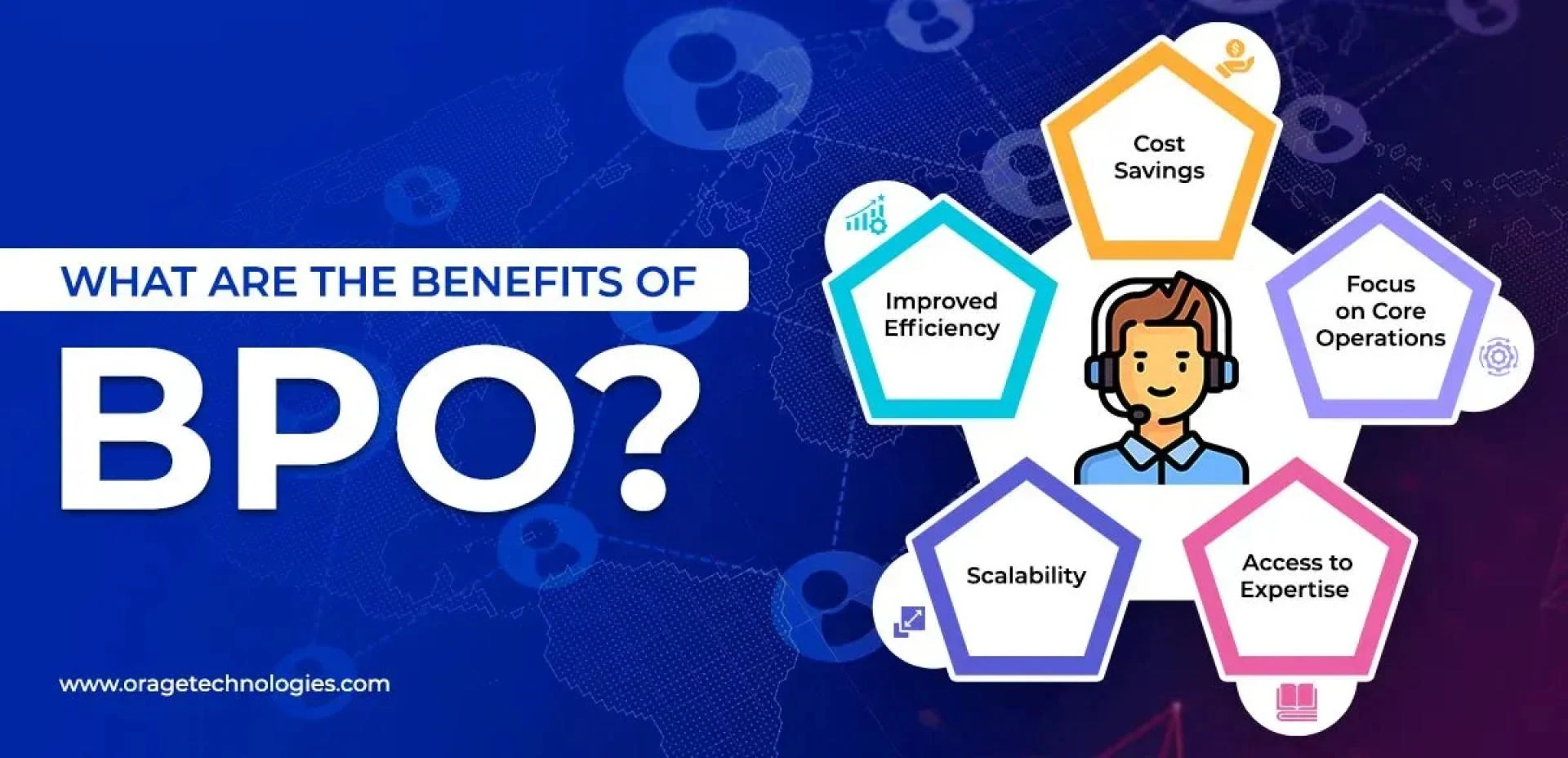
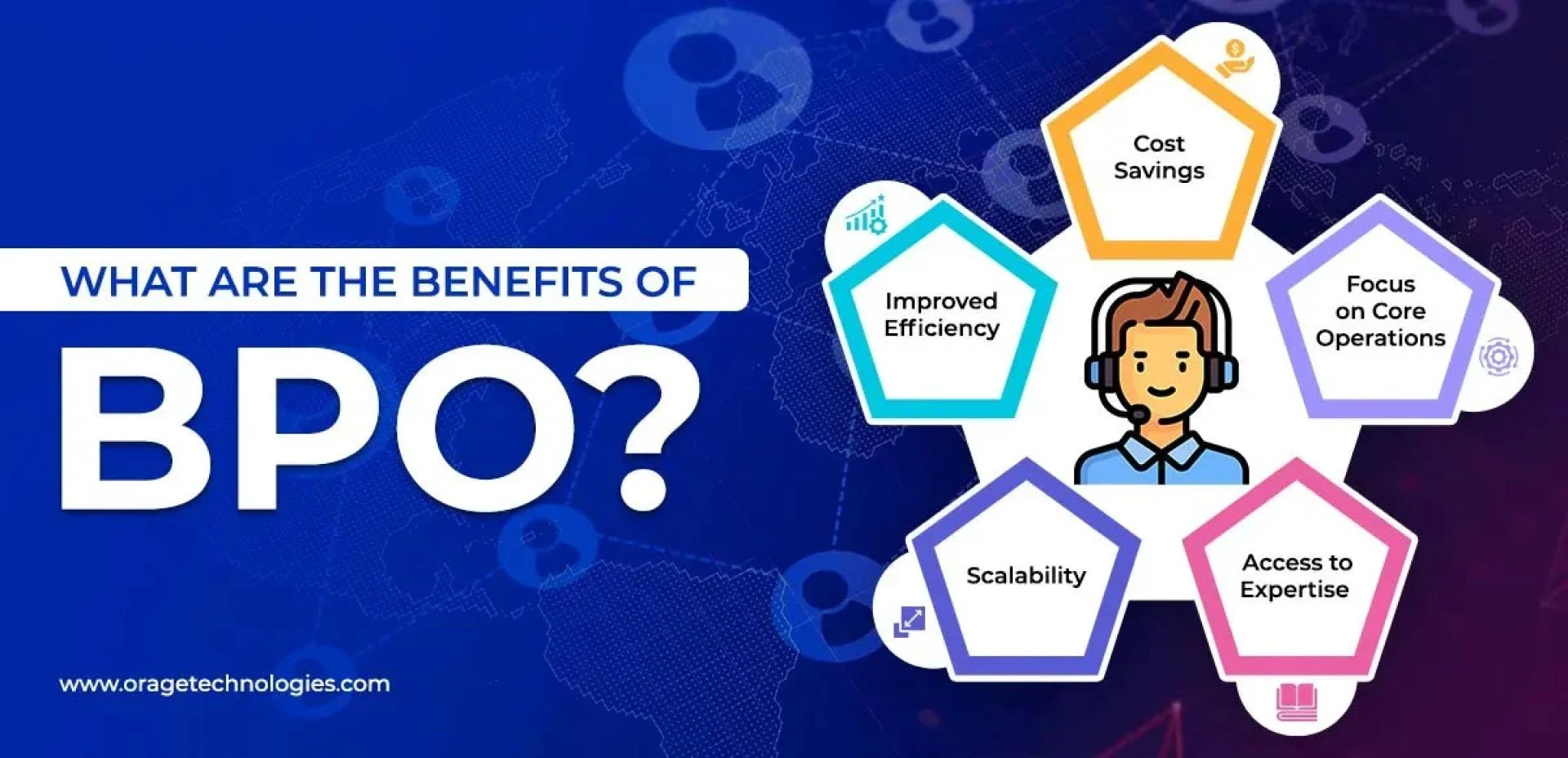
Now that we know exactly what BPO is, let's discuss why its market value is on an exorbitant rise. To put it lightly, Business Process Outsourcing has some substantial strengths: Save Money! Outsourcing is a major cost saving strategy by which companies get many things done. Focus on What Matters: BPO firms deal with all the "non-core" activities so companies can focus all of their time and efforts on their core activities. Get Professional Expertise: BPO firms are specialists who deliver best-of-breed solutions. Flexibility: With BPO, companies are able to react to changes in demand, easily accept changes, and just move on. The ability to decrease errors, streamline processes, and hasten processes allows BPO to increase efficiency, resulting in higher productivity.
The Bottom Line:
BPO is a Business Game-Changer! And that's it! Business Process Outsourcing is a strategic solution that will eliminate barriers, save money, and give access to professional services, that can be used for most businesses. From making for a happy customer, counting beans, and dealing with all your human resource concerns, BPO is curing a wide array of key business processes, and creating change in the way companies conduct business today.






























Sign in to leave a comment.