
Why I Believe Eco-Luxury Hotels Are Redefining Travel Around the World
The more I travel, the more I realize that luxury isn't just about beautiful rooms or five-star service anymore. Those things still have their place, but what stays with me long after a trip ends is something far less tangible- the feeling of being connected to a place.
That's why I've become increasingly interested in eco-luxury hotels.
To me, they're not simply accommodations with sustainable features. They represent a different philosophy of travel- one that values nature, local culture, thoughtful design, and experiences that feel genuine rather than manufactured.
Luxury Shouldn't Cost the Planet
One of the biggest shifts I've noticed in hospitality is that luxury no longer has to come at the environment's expense.
Across the world, more hotels are proving that it's possible to offer exceptional comfort while reducing their ecological footprint. Whether it's using renewable building materials, conserving water, growing ingredients on-site, or supporting nearby communities, these properties are showing that responsible tourism can also be inspiring.
I think that's exactly where the future of travel is headed.
The Best Hotels Tell the Story of Their Destination
I've always believed that the most memorable hotels are the ones that couldn't exist anywhere else.
Instead of importing the same design trends found around the world, the best eco-luxury properties embrace local architecture, traditional craftsmanship, and materials that naturally belong to their surroundings. Walking through these spaces feels like learning about a destination before you've even stepped outside.
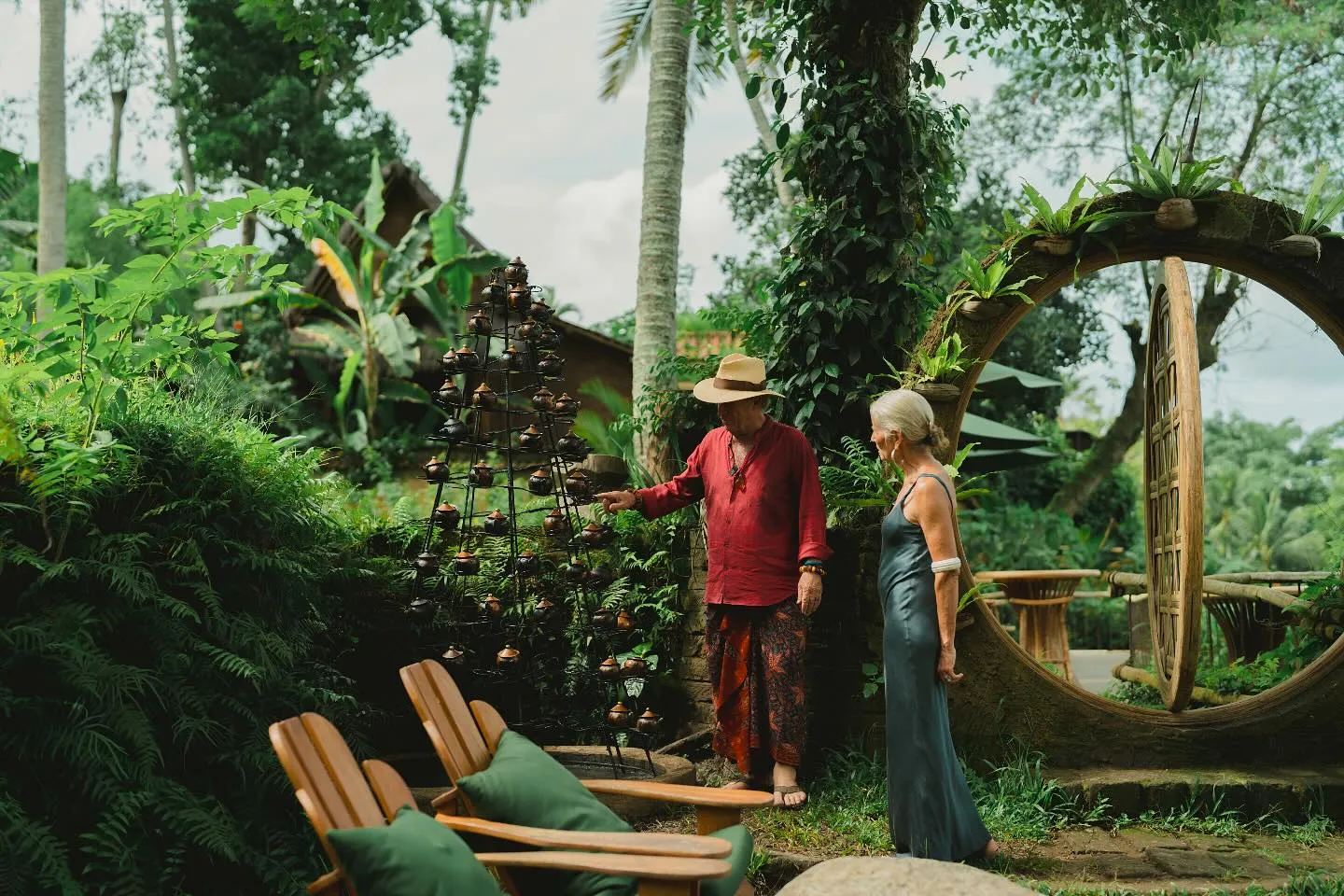
One property that perfectly captures this idea is Bambu Indah in Bali. Rather than relying on conventional luxury, it combines restored Javanese homes, remarkable bamboo architecture, and lush tropical landscapes to create an experience that feels deeply connected to Indonesian culture and nature.
Experiences Matter More Than Extravagance
If there's one lesson travel has taught me, it's that memorable experiences almost always outweigh extravagant surroundings.
I rarely remember the size of a hotel lobby or how expensive the furniture looked.
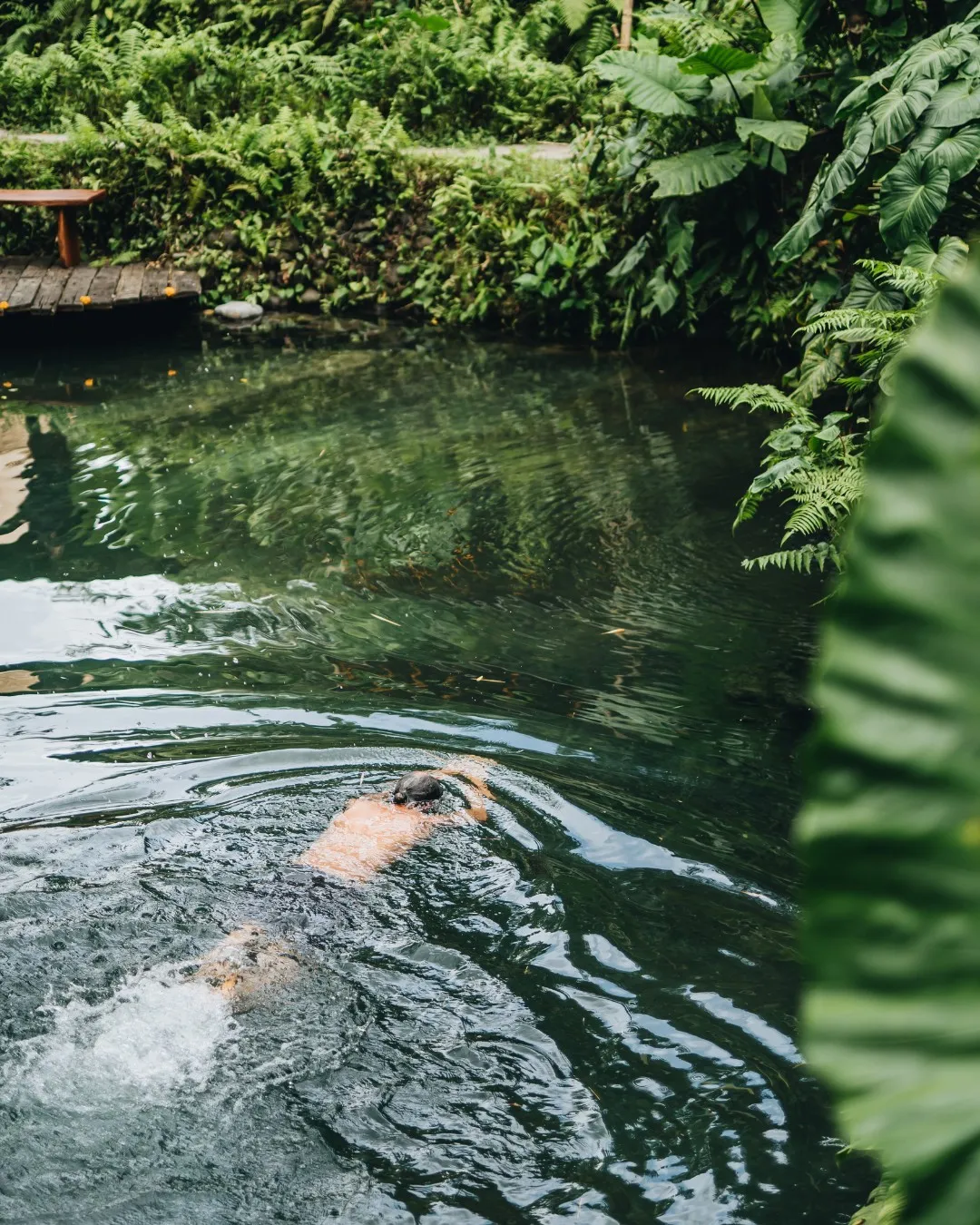
Instead, I remember walking through tropical gardens at sunrise, enjoying meals made from fresh local ingredients, swimming in natural pools, or spending quiet evenings listening to birds and flowing water.
Those simple moments often become the highlights of an entire journey.
Responsible Tourism Creates Better Travel Experiences
Another reason I admire eco-luxury hotels is their relationship with local communities.
Many of these properties work closely with regional farmers, artisans, builders, and family-owned businesses. That support helps preserve traditional skills while ensuring tourism benefits the people who call these destinations home.
As a traveler, knowing that my stay contributes positively to the local economy makes the experience feel much more meaningful.
Nature Has Become My Favorite Luxury
I've started appreciating something that many luxury hotels once overlooked—nature itself.
Fresh air, open spaces, rivers, forests, tropical gardens, and quiet surroundings offer a kind of comfort that no designer interior can truly replace.
The best eco-luxury hotels understand this. Instead of isolating guests from the environment, they encourage them to become part of it.
For me, that's a far more valuable form of luxury.
Eco-Luxury Is Becoming a Global Standard
I've noticed this trend appearing in destinations across the world—from rainforest lodges in Costa Rica to safari camps in Africa and sustainable retreats throughout Southeast Asia.
Travelers are becoming more conscious of where they stay and the impact those places have on the environment. As demand grows, more hospitality brands are embracing sustainability not as a marketing feature but as a core principle of their identity.
I believe that's a positive change for both travelers and the planet.
My Takeaway
Whenever I'm researching destinations, I no longer look only at amenities or star ratings. I'm more interested in how a hotel interacts with its surroundings, supports local culture, and creates experiences that feel authentic.
Properties like Bambu Indah remind me that true luxury isn't always defined by extravagance. Sometimes it's found in thoughtful architecture, meaningful design, respect for nature, and a slower, more intentional way of traveling.
For me, that's what makes a stay unforgettable—and it's why I believe eco-luxury hotels are helping shape the future of travel.

























Sign in to leave a comment.