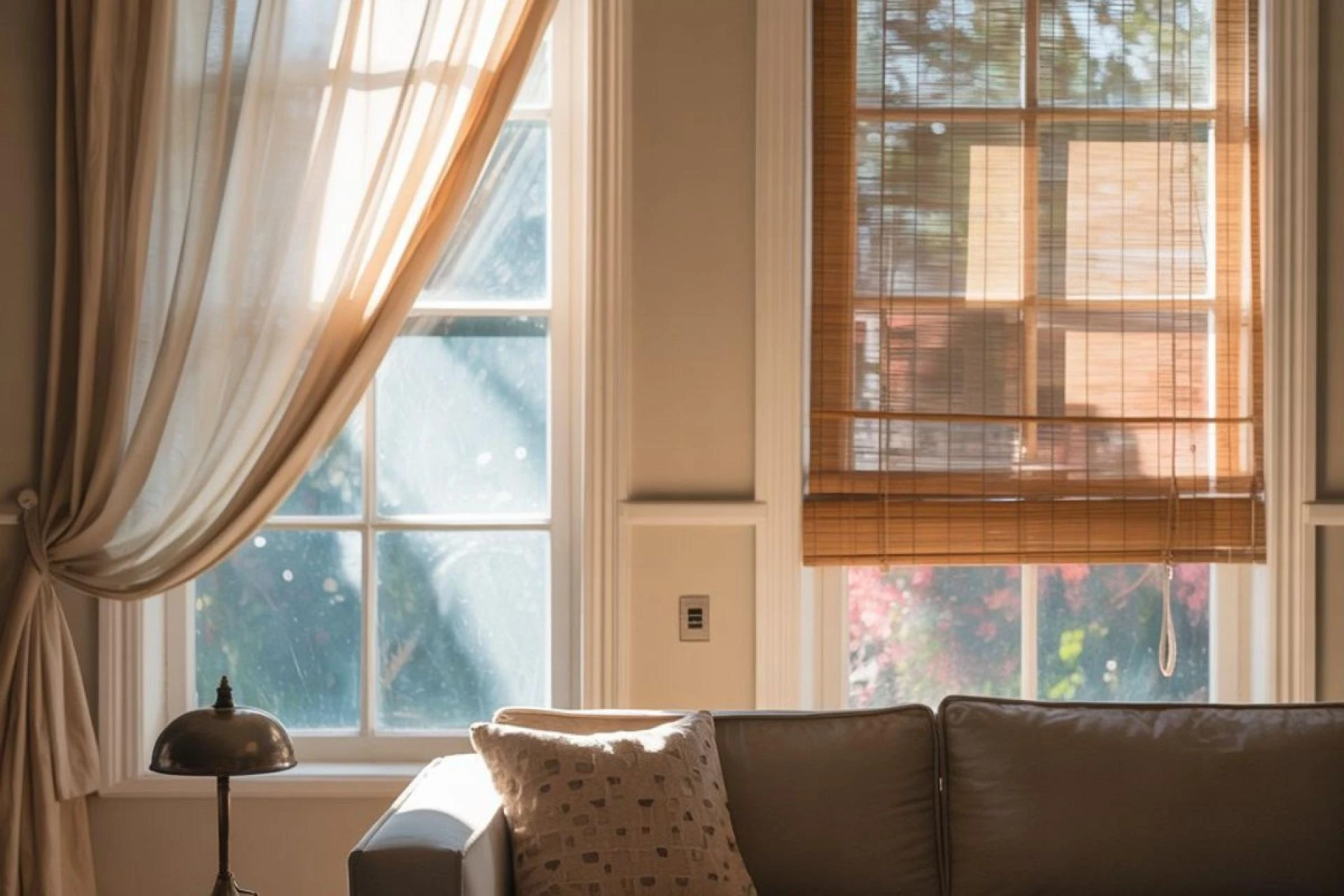

When it comes to window treatments, Honolulu homeowners have unique considerations—balancing style, functionality, and the island’s tropical climate. Both drapery and blinds offer distinct advantages, but which one is the best fit for your home? Let’s compare these two popular options to help you make an informed decision.
1. Aesthetic Appeal: Style & Elegance
Drapery: Soft & Luxurious

Drapery adds a touch of elegance and sophistication to any room. With a wide variety of fabrics, colors, and patterns available, curtains can complement any décor—from modern minimalist to traditional Hawaiian-inspired interiors. Flowing drapes create a soft, inviting atmosphere, making them ideal for living rooms and bedrooms.
Blinds: Clean & Contemporary
Blinds offer a sleek, structured look that works well in contemporary and transitional spaces. Available in materials like wood, faux wood, aluminum, and vinyl, blinds provide a more tailored appearance. They’re perfect for homes with a modern aesthetic or for rooms where a minimalist look is preferred.
Winner? It depends on your style—drapery for a softer, more luxurious feel, blinds for a crisp, modern look.
2. Light Control & Privacy
Drapery: Adjustable but Limited
While drapery installation can help block out light when using blackout liners, they don’t offer as much precision as blinds. Sheer drapes allow diffused light while maintaining privacy, but thicker fabrics are needed for complete darkness.
Blinds: Precise Light Management
Blinds provide excellent light control—simply adjust the slats to let in as much or as little light as you want. Top-down/bottom-up blinds also allow for privacy while still letting in natural light from above.
Winner? Blinds win for precise light control, while drapery is better for a softer, filtered light effect.
3. Climate Considerations: Heat & Humidity
Honolulu’s warm, humid climate means your window treatments should withstand moisture and heat.
Drapery: Breathable but High Maintenance
Lightweight, breathable fabrics like linen or cotton work well in humid conditions, but heavy drapes can trap heat. They may also require more frequent cleaning to prevent mold or mildew.
Read More: Custom Window Drapes Hawaii: Crafting the Perfect Ambiance
Blinds: Durable & Low Maintenance
Vinyl, aluminum, and faux wood blinds resist humidity and are easy to clean—just a quick wipe-down keeps them looking fresh. Wood blinds can warp in high humidity, so faux wood is a better option.
Winner? Blinds are more durable in Honolulu’s climate, but drapery can work with the right fabric.
4. Energy Efficiency
Drapery: Insulating Properties
Heavy drapes with thermal lining can help insulate your home, reducing heat gain from the sun. This can lower cooling costs, especially in rooms with large windows.
Blinds: Reflective & Adjustable
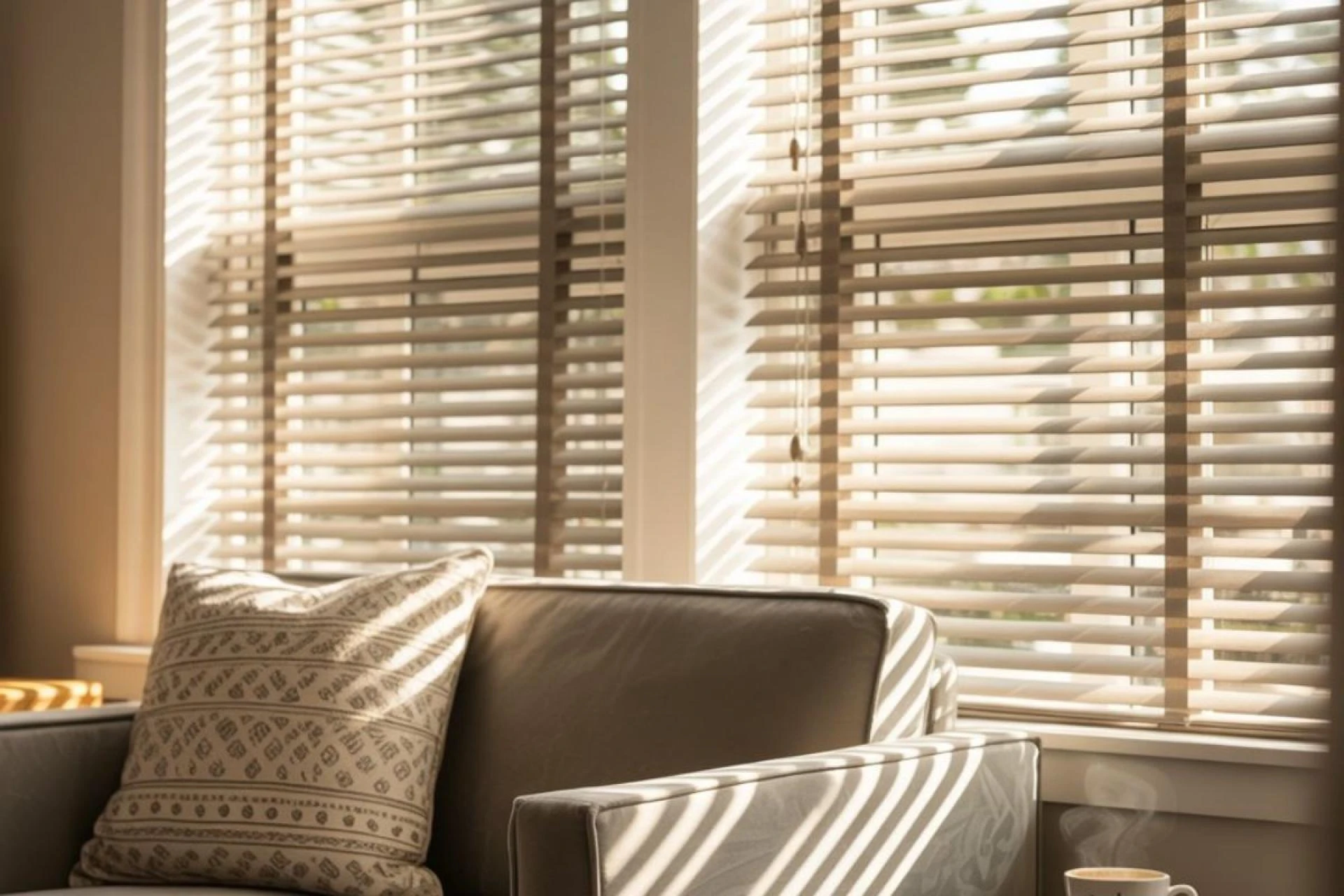
Light-colored blinds reflect sunlight, reducing heat absorption. Adjustable slats allow you to control solar heat gain throughout the day.
Winner? Both can improve energy efficiency—drapery for insulation, blinds for reflective heat control.
5. Cost & Installation
Drapery: Variable Pricing
Custom drapes can be expensive, but ready-made options are budget-friendly. Installation is simple with standard rods.
Blinds: Mid-Range to High
Blinds vary in price—vinyl and aluminum are affordable, while wood and motorized options are pricier. Installation is straightforward but may require
precise measurements.
Winner? Drapery is often more budget-friendly unless opting for high-end blinds.
Final Verdict: Which Should You Choose?
- Choose Drapery If:
- You prefer a soft, elegant look
- You want customizable fabric options
- Your room needs insulation from heat
- Choose Blinds If:
- You need precise light control
- You want low-maintenance, humidity-resistant options
- Your home has a modern aesthetic
For the best of both worlds, consider layering blinds with sheer drapes—this combines functionality with style, giving you flexibility in light control and design.
Need Help Deciding?
If you’re still unsure, consult a Honolulu window treatment specialist who can assess your home’s needs and recommend the perfect solution.


























Sign in to leave a comment.