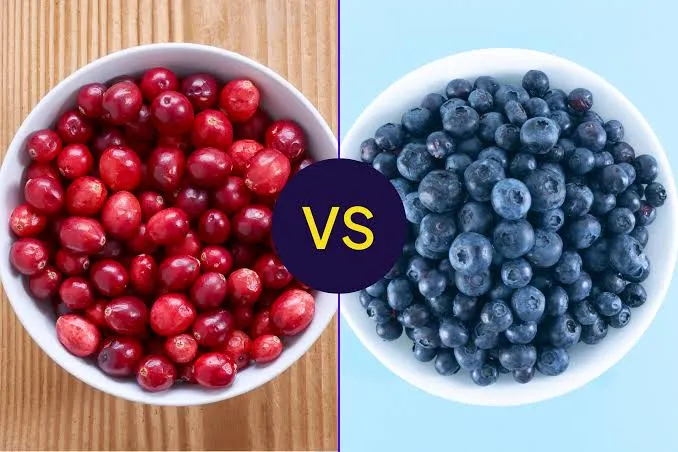

Dried fruits have become a popular choice for healthy snacking because they are convenient, naturally flavorful, and easy to include in everyday meals. Among the most popular options are dried cranberries and dried blueberries. Both are packed with nutrients, offer unique health advantages, and add a burst of flavor to breakfast bowls, baked goods, salads, and snacks.
If you're wondering which one is better for your diet, this guide compares their nutrition, benefits, and uses to help you make the right choice.
What Are Dried Cranberries?
Dried cranberries are made by removing most of the water from fresh cranberries while preserving their natural flavor and nutrients. Since fresh cranberries are naturally tart, many dried versions contain a small amount of added sweetener to balance their taste.
They are widely used in trail mixes, salads, cookies, muffins, and festive recipes because of their sweet and tangy flavor.
What Are Dried Blueberries?
Dried blueberries are produced by gently drying fresh blueberries to extend their shelf life while maintaining much of their nutritional value.
They have a naturally sweet taste with a slightly chewy texture, making them a popular addition to cereals, yogurt, smoothies, granola, and baked desserts.
Cranberry vs Blueberry: What's the Difference?
When comparing cranberry vs blueberry, the biggest differences lie in their taste, nutritional profile, and culinary uses.
Cranberries have a naturally tart flavor, while blueberries are much sweeter.
Dried cranberries are commonly used to add a tangy contrast to salads and savory dishes, whereas dried blueberries are often preferred in breakfast recipes and desserts because of their natural sweetness.
Both fruits are rich in antioxidants, but they contain different plant compounds that contribute to their individual health benefits.
Dried Cranberries Benefits
There are many dried cranberries benefits that make them a valuable addition to a balanced diet.
Rich in Antioxidants
Dried cranberries contain antioxidants that help protect the body's cells from oxidative stress caused by free radicals.
Supports Urinary Tract Health
Cranberries are well known for compounds that may help reduce the ability of certain bacteria to stick to the urinary tract, supporting urinary health.
Good Source of Dietary Fiber
Fiber promotes healthy digestion and helps you feel fuller for longer, making dried cranberries a satisfying snack.
Provides Essential Nutrients
They contain small amounts of vitamins and minerals, including vitamin C, manganese, and vitamin E.
Dried Blueberries Benefits
The dried blueberries benefits are equally impressive and make them an excellent everyday snack.
High in Antioxidants
Blueberries are famous for their anthocyanins, natural antioxidants that give them their deep blue color and help support overall wellness.
Supports Brain Health
Research suggests that the antioxidants found in blueberries may contribute to healthy brain function as part of a balanced diet.
Promotes Heart Health
Blueberries contain plant compounds that support cardiovascular health and help maintain healthy blood vessels.
Natural Energy Source
Their naturally occurring carbohydrates make dried blueberries a convenient snack before workouts or during busy days.
Nutritional Comparison
Both dried cranberries and dried blueberries offer valuable nutrients.
Dried cranberries generally provide:
- Dietary fiber
- Vitamin E
- Manganese
- Antioxidants
Dried blueberries typically contain:
- Vitamin K
- Manganese
- Dietary fiber
- Anthocyanins
- Natural antioxidants
Because drying removes water, both fruits become more concentrated in natural sugars and calories compared to their fresh versions. Portion control is recommended as part of a balanced diet.
Taste Comparison
Taste is one of the biggest deciding factors.
Dried cranberries have a sweet-tart flavor that pairs well with salads, cheese boards, roasted vegetables, and savory recipes.
Dried blueberries have a naturally sweet, fruity taste that complements breakfast bowls, muffins, pancakes, oatmeal, and desserts.
Choosing between them often depends on your recipe and personal preference.
Best Ways to Use Dried Cranberries
Dried cranberries are incredibly versatile and can be added to many dishes.
Popular uses include:
- Green salads
- Granola
- Trail mix
- Oatmeal
- Cookies
- Muffins
- Rice dishes
- Stuffing
- Energy bars
Their bright flavor adds freshness to both sweet and savory recipes.
Best Ways to Use Dried Blueberries
Dried blueberries also work beautifully in everyday cooking.
You can enjoy them in:
- Breakfast cereals
- Yogurt bowls
- Smoothies
- Pancakes
- Cakes
- Muffins
- Homemade granola
- Cookies
- Snack mixes
Their natural sweetness makes them an excellent alternative to candy for healthier snacking.
How to Choose Quality Dried Fruits
When shopping for dried fruits, keep these tips in mind:
Choose products with minimal added sugar whenever possible.
Check the ingredient list for artificial colors or preservatives.
Look for soft, plump fruits with vibrant color.
Store them in airtight containers to preserve freshness and flavor.
Premium-quality dried fruits often have a better texture and taste.
Can You Eat Both Together?
Absolutely. Combining dried cranberries and dried blueberries creates a delicious mix of sweet and tangy flavors while providing a wider variety of antioxidants and nutrients.
They can be mixed into homemade trail mix, breakfast bowls, baked goods, or snack jars for added taste and texture.
Final Thoughts
Both dried cranberries and dried blueberries are nutritious, flavorful, and versatile ingredients that can easily become part of a healthy lifestyle. While dried cranberries offer a pleasantly tart flavor and are widely appreciated for supporting urinary health, dried blueberries are known for their naturally sweet taste and antioxidant-rich profile.
Instead of choosing one over the other, consider keeping both in your pantry. They each bring unique flavors and nutritional benefits to different recipes, making them valuable additions to everything from breakfast to desserts and healthy snacks.































Sign in to leave a comment.