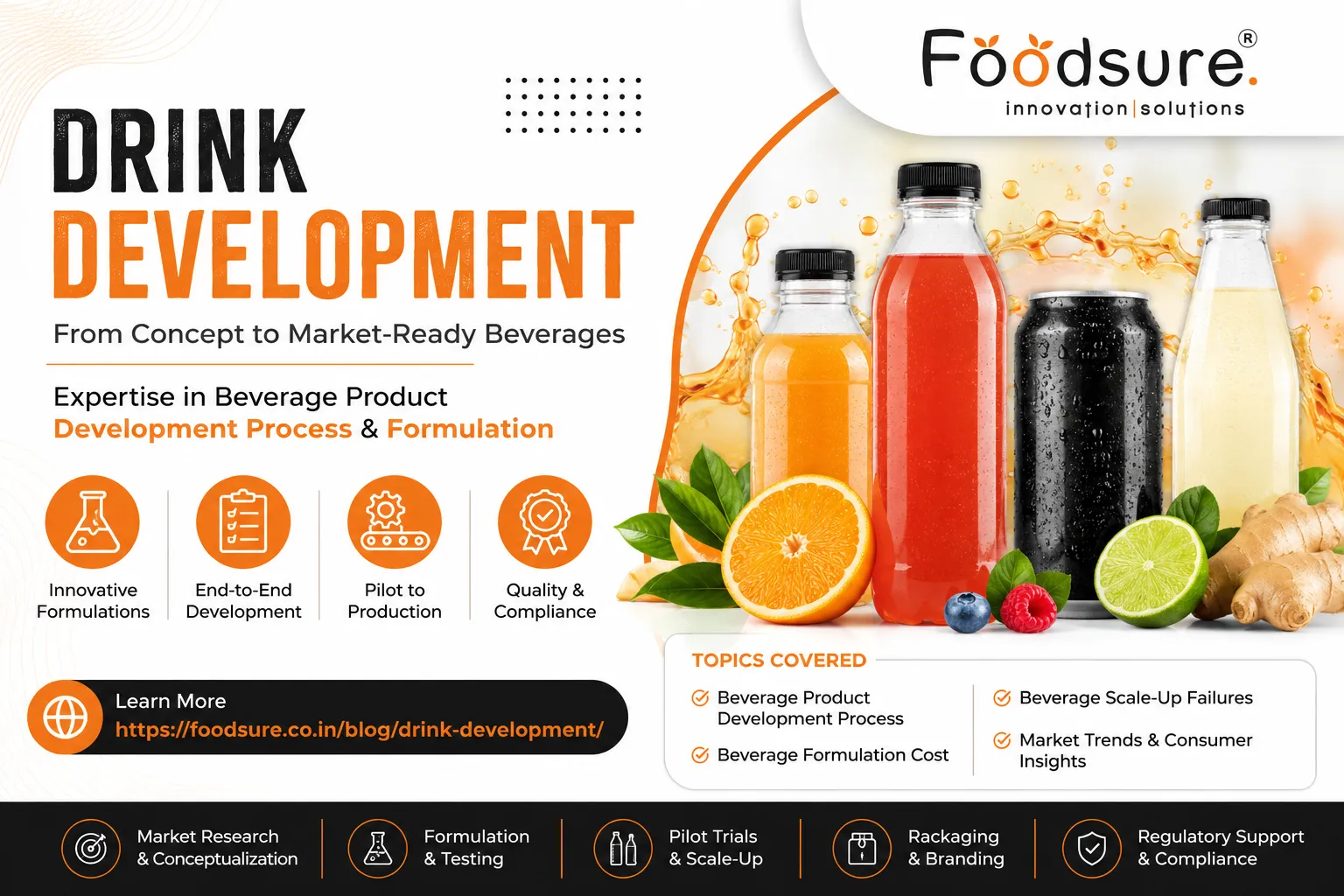

The food and beverage industry is growing rapidly, and brands are constantly searching for innovative products that can stand out in the market. Whether you want to launch an energy drink, functional beverage, flavored water, protein shake, or health drink, successful drink development plays a critical role in transforming an idea into a market-ready product. From ingredient selection to manufacturing and compliance, every stage requires strategic planning and technical expertise.
A well-structured beverage product development process helps companies create beverages that meet customer expectations while maintaining taste, shelf stability, and regulatory compliance. At the same time, understanding the beverage formulation cost is essential for startups and established brands to manage production budgets efficiently.
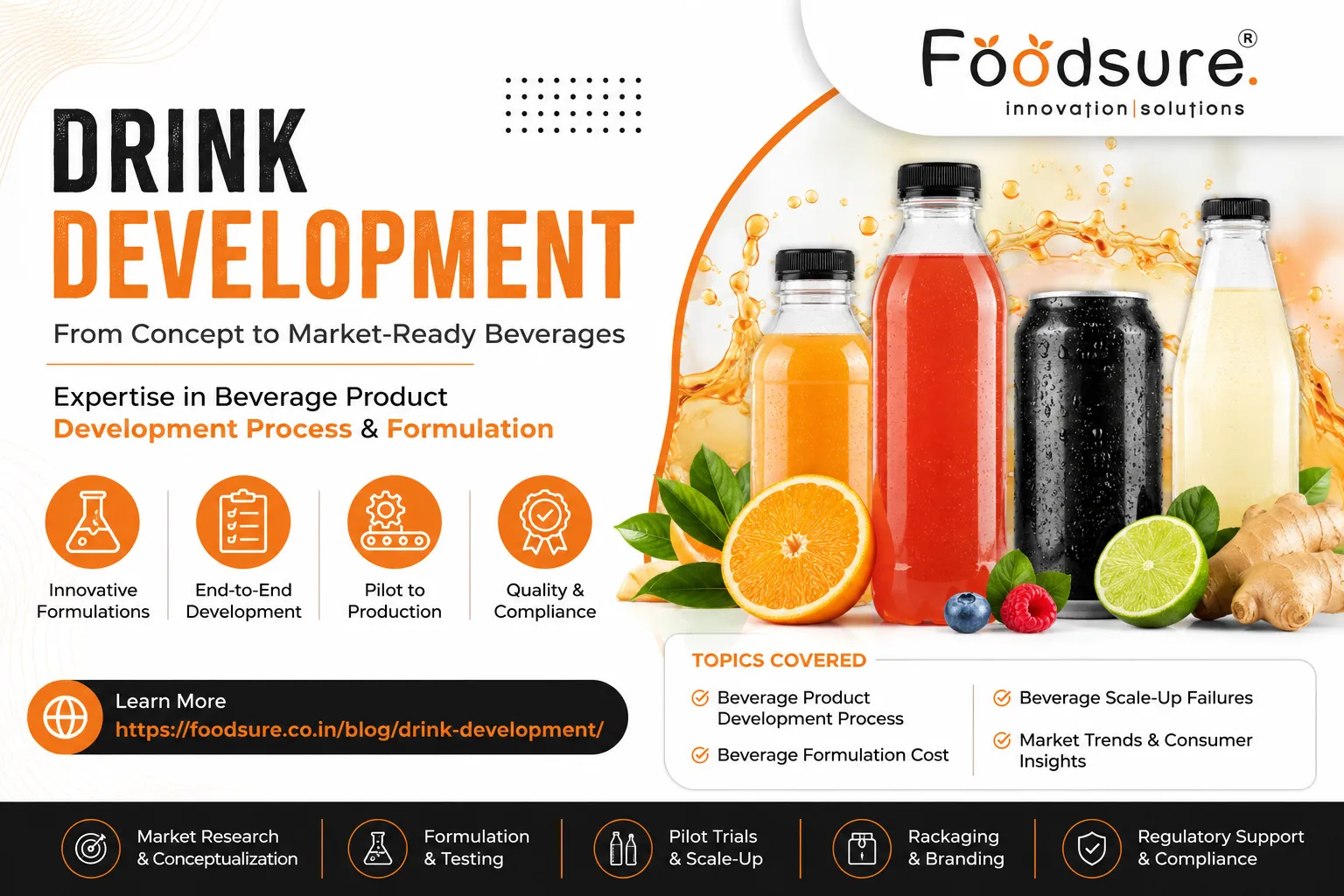
Understanding Drink Development
Modern beverage brands focus on innovation, health trends, and unique consumer experiences. Effective drink development involves more than simply mixing ingredients. It includes research, formulation, flavor balancing, ingredient sourcing, testing, packaging, and commercial production planning.
The process begins with identifying the target audience and market demand. Some businesses may focus on sports drinks, while others may prefer herbal beverages, alcoholic mixers, functional drinks, or plant-based products. Once the concept is finalized, beverage experts begin working on flavor profiles, nutritional values, sweetness levels, and product stability.
Consumer demand for clean-label beverages and functional ingredients has increased significantly in recent years. This trend has encouraged companies to invest heavily in innovative formulations and healthier beverage alternatives.
Key Steps in the Beverage Product Development Process
The beverage product development process involves multiple technical and commercial stages that ensure the product is ready for successful market launch.
1. Market Research and Product Planning
The first step is understanding current beverage trends, competitor products, pricing strategies, and consumer preferences. Businesses must determine:
- Product category
- Target audience
- Flavor preferences
- Packaging style
- Distribution channels
- Pricing expectations
Detailed market analysis helps reduce risks and improves product positioning.
2. Beverage Formulation and Ingredient Selection
Formulation is one of the most important phases of beverage creation. Ingredients must be selected carefully to maintain flavor, texture, nutritional value, and shelf life. Beverage scientists evaluate:
- Natural and artificial flavors
- Sweeteners
- Acidity regulators
- Preservatives
- Functional ingredients
- Stabilizers
- Vitamins and minerals
At this stage, businesses also evaluate the estimated beverage formulation cost depending on ingredient quality and sourcing requirements.
3. Prototype Development and Testing
After the initial formula is prepared, sample batches are created for testing. Multiple versions are often developed to finalize the best flavor and texture profile. Testing includes:
- Taste evaluation
- Shelf-life testing
- pH analysis
- Stability testing
- Packaging compatibility
This stage is extremely important because poor testing can lead to product instability and expensive production issues later.
4. Regulatory Compliance and Certifications
Every beverage product must comply with food safety and labeling regulations. Depending on the market, businesses may require:
- FSSAI approval
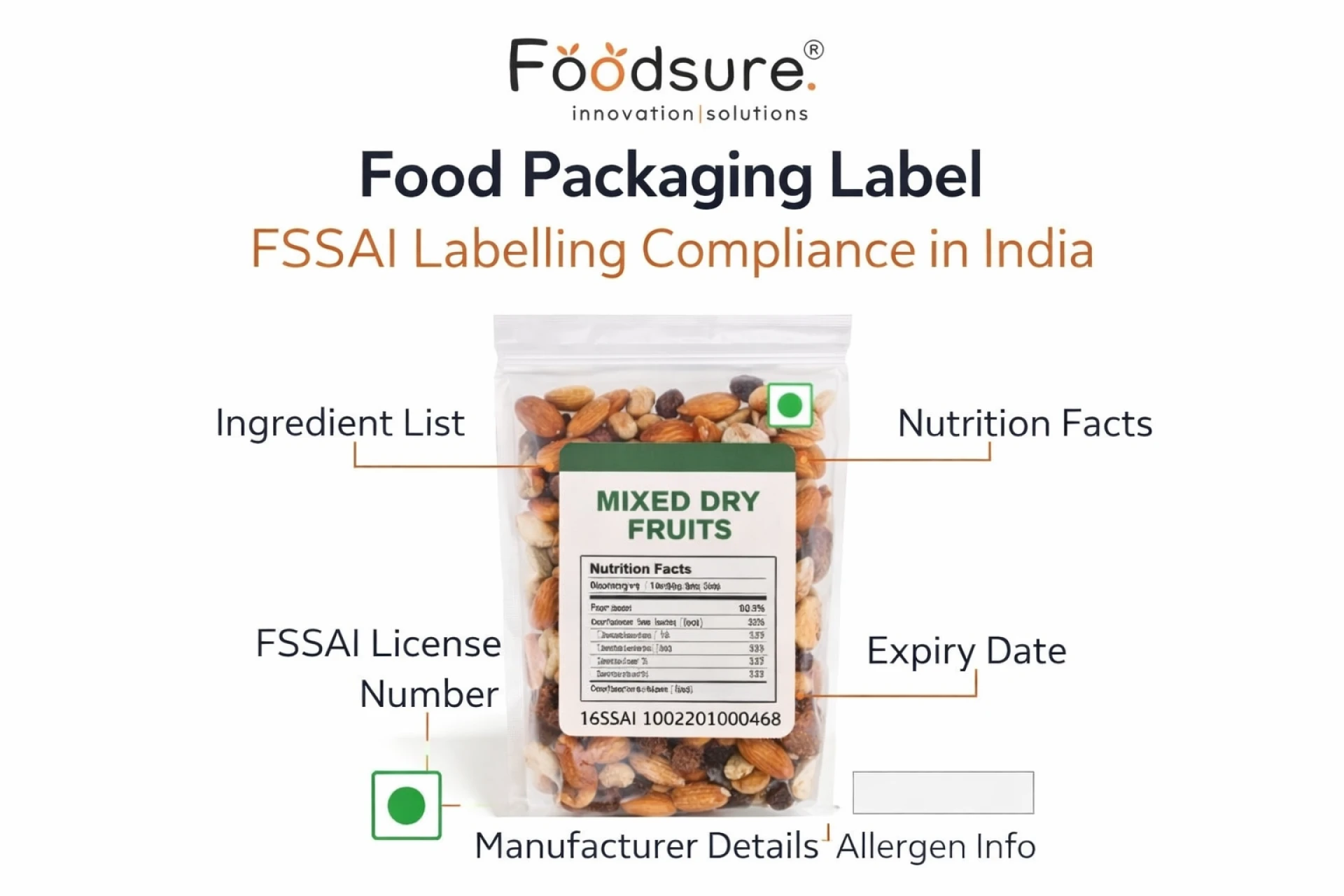
- Nutritional labeling
- Ingredient declarations
- Halal certification
- Export documentation
Ignoring compliance requirements can delay product launches and increase operational costs.
5. Pilot Production and Scale-Up
Once the formula is finalized, the product enters pilot-scale manufacturing. This stage helps manufacturers evaluate commercial production performance. Many startups experience beverage scale-up failures because lab-tested formulas may behave differently during mass production.
Factors such as ingredient interaction, temperature variations, and machinery limitations can affect final product quality. Professional beverage consultants help minimize these risks through controlled pilot testing and manufacturing optimization.
Factors Affecting Beverage Formulation Cost
The overall beverage formulation cost varies depending on several technical and commercial factors. Businesses should understand these variables before starting production.
Ingredient Quality
Premium ingredients naturally increase production expenses. Functional ingredients, imported extracts, organic materials, and specialty flavors can significantly impact costs.
Research and Development
Advanced formulation research, laboratory testing, and multiple product revisions increase development expenses. However, investing in proper R&D often reduces long-term production risks.
Packaging Requirements
Glass bottles, aluminum cans, PET bottles, and tetra packs all have different production and packaging costs. Custom packaging designs may also increase project budgets.
Manufacturing Volume
Large-scale production usually reduces per-unit manufacturing costs. Smaller production quantities often result in higher expenses due to minimum order quantity requirements.
Certifications and Compliance
Additional certifications such as organic, vegan, halal, or export approvals may increase documentation and testing costs.
Importance of Professional Beverage Consultants
Many beverage startups struggle because they lack technical knowledge about formulation, manufacturing, and compliance. Hiring experienced beverage consultants simplifies the entire beverage product development process and improves product quality.
Professional consultants help with:
- Product ideation
- Ingredient sourcing
- Flavor optimization
- Shelf-life improvement
- Manufacturing guidance
- Packaging selection
- Regulatory support
Their expertise helps businesses reduce formulation errors and improve market success rates.
Challenges in Drink Development
Despite growing opportunities, beverage businesses face several challenges during product creation:
- Ingredient compatibility issues
- Flavor instability
- High production costs
- Packaging limitations
- Regulatory complexities
- Market competition
Proper planning and expert consultation help overcome these obstacles efficiently.
FAQs
What is drink development?
Drink development is the complete process of creating a beverage product, including formulation, testing, packaging, compliance, and manufacturing preparation.
How long does the beverage product development process take?
The timeline varies depending on product complexity. Most beverage projects take anywhere from 2 to 6 months for formulation, testing, and pilot production.
What affects beverage formulation cost the most?
Ingredient quality, R&D requirements, packaging selection, manufacturing volume, and certifications are the major factors influencing formulation costs.
Why do beverage startups fail during scale-up?
Many businesses face production inconsistencies during commercial manufacturing due to improper testing, machinery differences, and ingredient stability problems.
Can beverage consultants help with regulatory approvals?
Yes, professional consultants assist with compliance documentation, labeling, certifications, and manufacturing approvals.
Conclusion
The beverage industry offers tremendous opportunities for innovative brands, but success depends heavily on strategic planning, technical expertise, and efficient execution. A properly managed drink development strategy ensures better product quality, regulatory compliance, and long-term market growth. Understanding the beverage product development process and managing the beverage formulation cost effectively can help businesses avoid expensive mistakes and achieve faster commercialization. Companies like Foodsure provide professional support for beverage formulation, manufacturing guidance, and product launch solutions for emerging beverage brands.
























Sign in to leave a comment.