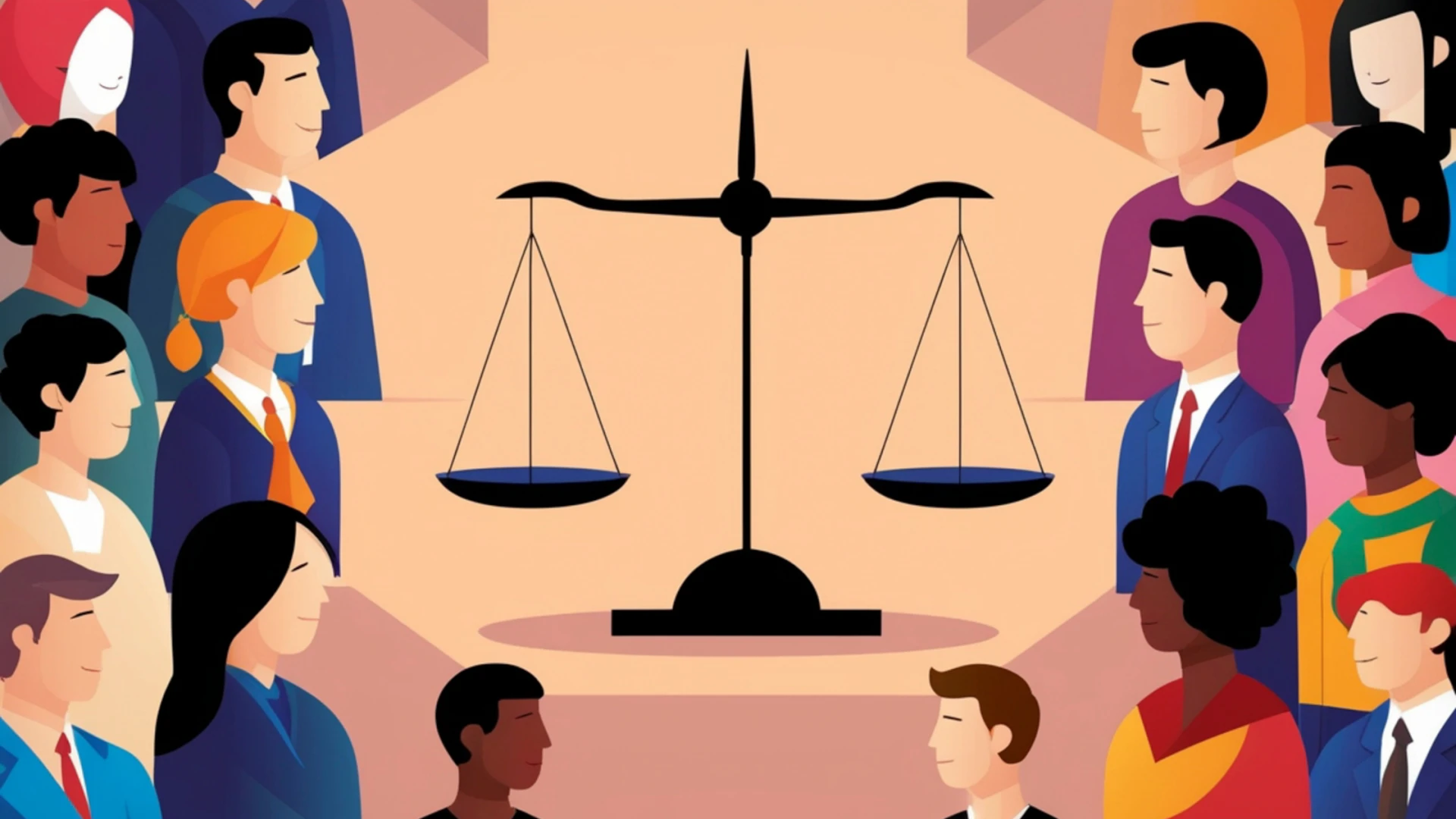

Introduction: Turning Purpose into Progress
Every meaningful change begins with a vision — a belief that society can be fairer, more inclusive, and more compassionate. But vision alone is not enough. It needs structure, strategy, and sustained action to transform into real impact.
This is where civil society organisations step in — acting as the bridge between ideas and outcomes. They translate grassroots challenges into actionable solutions, ensuring that communities not only dream of equity but actually experience it.
In a world shaped by inequality, their role is not just relevant — it is essential.
Understanding Social Equity: Beyond Equal Opportunities
Social equity is not about giving everyone the same resources — it is about giving people what they need to succeed.
It focuses on fairness, justice, and addressing systemic barriers that prevent marginalized communities from thriving.
For example:
- A rural child may need access to digital education tools
- A woman entrepreneur may need financial support and mentorship
- A community may need healthcare access, not just awareness
True equity lies in targeted, thoughtful interventions — and that’s exactly what civil society organisations are designed to deliver.
The Role of Civil Society Organisations in Driving Change
Civil society organisations operate at the intersection of people, policy, and progress. Their strength lies in their ability to adapt, collaborate, and respond directly to community needs.
1. Advocacy and Policy Influence
They amplify voices that often go unheard. By engaging with policymakers, they push for reforms that promote justice and inclusion.
From education rights to environmental protection, these organisations play a key role in shaping policies that impact millions.
2. Service Delivery Where It Matters Most
In many underserved regions, civil society organisations become the primary providers of:
- Healthcare services
- Education programs
- Livelihood opportunities
They ensure that essential services reach those who need them the most — filling critical gaps left by traditional systems.
3. Community Mobilisation and Awareness
Change is sustainable only when communities are actively involved.
These organisations:
- Build awareness around rights and opportunities
- Mobilise communities to take collective action
- Foster participation in local decision-making
This empowers individuals to become agents of change rather than passive beneficiaries.
4. Strengthening Accountability and Transparency
Civil society organisations act as watchdogs — ensuring that governance systems remain transparent and accountable.
By monitoring policies and implementation, they help maintain a balance between power and responsibility.
From Grassroots to Global: A Multi-Level Impact
The impact of civil society organisations is not limited to local communities. Their work often scales across regions and even countries.
At the grassroots level
- Address immediate needs
- Build trust within communities
- Enable local leadership
At the systemic level
- Influence policies
- Create frameworks for inclusive development
- Promote long-term sustainability
They deliver both short-term relief and long-term transformation, making them a critical force in development ecosystems.
The Power of Integrated Solutions
One of the most effective approaches adopted today is integrated problem-solving.
Social challenges are rarely isolated. Poverty, education, healthcare, and employment are deeply interconnected. Addressing one without the others often leads to limited impact.
Civil society organisations tackle this by:
- Combining research, strategy, and execution
- Building partnerships across sectors
- Designing holistic interventions
For example:
- A livelihood program may include skill training, financial literacy, and market access
- A healthcare initiative may integrate nutrition, awareness, and sanitation
This integrated approach ensures sustainable and scalable impact.
Collaboration: The Key to Scalable Social Impact
No single organisation can solve complex societal challenges alone.
Civil society organisations actively collaborate with:
- Governments
- Corporates
- Academic institutions
- Local communities
These partnerships enable:
- Resource sharing
- Knowledge exchange
- Larger outreach
Such collaboration transforms isolated efforts into collective impact movements, accelerating progress toward social equity.
Challenges Faced by Civil Society Organisations
Despite their critical role, civil society organisations face several challenges:
1. Limited Resources
Funding constraints often restrict the scale of impact.
2. Policy and Regulatory Barriers
Complex regulations can hinder operations and growth.
3. Capacity Gaps
Smaller organisations may lack technical expertise or infrastructure.
4. Need for Measurable Impact
With increasing accountability, organisations must demonstrate tangible outcomes.
Addressing these challenges requires structured support, strategic guidance, and innovative thinking.
The Emerging Role of Social Impact Consulting Firms
To enhance effectiveness, many organisations are now partnering with social impact consulting firms.
These firms act as enablers by providing:
- Data-driven insights
- Program design and evaluation
- Impact measurement frameworks
- Strategic planning support
They bring a catalyst mindset — helping organisations move faster, scale better, and deliver measurable results.
This evolution reflects a shift from isolated efforts to strategic, outcome-driven interventions.
Innovation and the Future of Social Equity
The future of social equity lies in innovation — not just technological, but also social and strategic.
Emerging trends include:
- Digital inclusion initiatives
- Data-led decision making
- Community-led development models
- Cross-sector partnerships
Civil society organisations are increasingly embracing these approaches to remain relevant and impactful.
As challenges evolve, so must the solutions.
Conclusion: Turning Vision into Scalable Impact
From vision to impact, the journey toward social equity requires more than intent — it calls for structured strategies, collaborative ecosystems, and sustainable execution.
Civil society organisations continue to be the driving force behind inclusive development, bridging critical gaps and delivering meaningful change where it matters most. Yet, as challenges grow more complex, the need for integrated solutions and expert guidance becomes even more important.
Leveraging the right support systems, tools, and strategic partners can significantly enhance the scale and effectiveness of these efforts. Platforms like the Catalyst Management Services website play a valuable role in enabling organisations to design, implement, and scale impactful initiatives.
Because true social equity is not just about solving today’s problems
It's about building a stronger, more inclusive tomorrow.


























Sign in to leave a comment.