Custom apparel printing has evolved significantly over the past decade. Businesses, clothing brands, and event organizers now have multiple printing technologies to choose from. Two of the most widely used methods are DTF (Direct-to-Film) printing and screen printing.
Both methods can produce high-quality prints on garments like T-shirts, hoodies, polo shirts, and uniforms, but they differ in terms of cost, production process, design flexibility, and ideal use cases.
In this guide, we’ll explain DTF printing services vs screen printing, compare their advantages and disadvantages, and help you decide which option is better for your needs.
What Is DTF Printing?
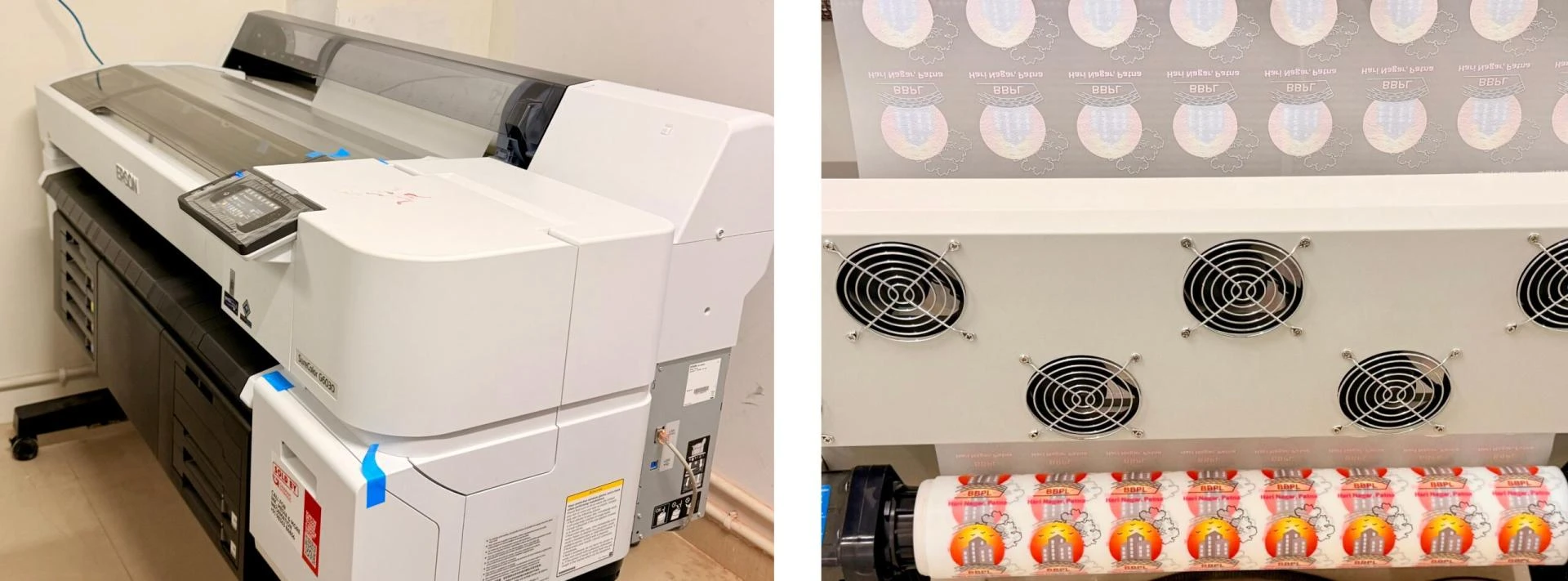
DTF (Direct-to-Film) printing is a modern digital printing method where a design is first printed onto a special PET film and then transferred onto fabric using heat and adhesive powder.
How the Process Works
- Design is printed on transfer film using specialized ink.
- Adhesive powder is applied to the printed film.
- The film is cured using heat.
- The design is transferred to the garment using a heat press.
This method is popular because it does not require complex setup and works on many fabric types.
Key Benefits of DTF Printing
- Works on cotton, polyester, blends, and many other fabrics.
- Supports detailed designs, gradients, and multiple colors.
- Ideal for small orders or custom pieces.
- Requires no screen setup or color separation.
Because of these advantages, DTF printing has become popular among small clothing brands, print-on-demand businesses, and custom merchandise creators.
What Is Screen Printing?
Screen printing is one of the oldest and most widely used apparel printing techniques. It involves creating a stencil (screen) and pushing ink through it onto the garment using a squeegee.
Each color in the design requires a separate screen, which means more setup work for multi-color designs.
How Screen Printing Works
- Artwork is separated by color.
- A stencil (screen) is created for each color.
- Ink is pressed through the mesh screen onto the fabric.
- The garment is cured with heat to fix the ink.
Screen printing remains a standard method for commercial garment production, especially for large orders.
Key Benefits of Screen Printing
- Produces bold and vibrant colors.
- Extremely durable and long-lasting prints.
- Cost-effective for large bulk orders.
- Excellent for simple logos and bold designs.
Because of its durability and efficiency, screen printing is widely used for corporate uniforms, promotional merchandise, sports apparel, and event T-shirts.
DTF Printing vs Screen Printing: Key Differences
| Feature | DTF Printing | Screen Printing |
|---|---|---|
| Setup Cost | No setup required | Requires screen setup |
| Order Quantity | Best for small runs | Best for bulk orders |
| Design Complexity | Supports detailed designs | Best for simple graphics |
| Fabric Compatibility | Works on many fabrics | Works best on cotton |
| Production Speed | Faster for small orders | Faster for large production |
| Color Options | Unlimited colors | Limited by number of screens |
Both printing methods can produce durable results when applied correctly, but they serve different business needs.
Cost Comparison
DTF Printing Cost
DTF printing usually has a fixed cost per print, which makes it economical for small quantities or one-off custom designs.
For example:
- Custom hoodies with different names
- Personalized T-shirts
- Small clothing brand drops
Screen Printing Cost
Screen printing requires initial setup costs for screens and color separation. However, once the setup is done, the cost per shirt becomes very low for large quantities.
For example:
- 100+ event T-shirts
- Corporate uniforms
- Bulk merchandise orders
Design Flexibility
Design complexity is another major factor when choosing between the two methods.
DTF Printing
DTF printing allows highly detailed artwork, gradients, and photo-quality designs without extra cost.
It is ideal for:
- Graphic artwork
- Multi-color designs
- Photographic prints
Screen Printing
Screen printing works best for simple designs with limited colors.
Examples include:
- Company logos
- Bold typography
- Sports team graphics
If your design contains many colors or small details, screen printing becomes more expensive due to additional screens.
Durability and Print Quality
Both methods can produce durable prints when applied properly.
Screen Printing Durability
Screen printing is known for its strong ink bonding with fabric, making it highly resistant to washing and fading.
DTF Printing Durability
DTF prints are also durable and flexible, though they may feel slightly thicker because the design sits on top of the fabric.
Overall, both methods can last 50+ washes with proper care, depending on fabric quality and printing technique.
When Should You Choose DTF Printing?
DTF printing is the better option when:
- You need small quantities of custom apparel
- The design has multiple colors or gradients
- You want quick turnaround time
- You need printing on different fabric types
This makes DTF popular for custom hoodies, personalized gifts, and small clothing brand launches.
When Should You Choose Screen Printing?
Screen printing is ideal when:
- You are ordering large quantities (50–500+ pieces)
- The design is simple with limited colors
- You want maximum durability
- You need low cost per piece in bulk
This method is commonly used for corporate apparel, promotional merchandise, and sports uniforms.
Can You Use Both Printing Methods?
Many modern apparel brands use a hybrid approach.
For example:
- Use DTF printing for testing new designs
- Use screen printing once the design becomes popular
This approach allows businesses to reduce risk while maintaining production efficiency.
Conclusion
When comparing DTF printing services vs screen printing, there is no single method that is universally better. The right choice depends on your order size, design complexity, budget, and fabric type.
- DTF printing is best for small runs, detailed artwork, and flexible customization.
- Screen printing is ideal for bulk production, simple designs, and long-lasting prints.
For businesses, startups, or individuals looking to create custom apparel, working with experienced printing providers—such as Ink.Company—can help ensure the right method is chosen based on the project requirements.
FAQs
1. Is DTF printing better than screen printing?
DTF printing is better for small orders and detailed designs, while screen printing is better for bulk production with simple graphics.
2. Which printing method lasts longer?
Screen printing is traditionally known for durability, but high-quality DTF prints can also last many washes when applied properly.
3. Is DTF printing cheaper than screen printing?
DTF printing is cheaper for small orders, but screen printing becomes more cost-effective for large quantities.
4. Which printing method is best for hoodies?
Both methods work well on hoodies. DTF is ideal for complex artwork, while screen printing is best for simple bulk designs.



















Sign in to leave a comment.