The world of custom apparel and t-shirt printing has evolved tremendously in recent years. Whether you are a small business owner, startup, or individual looking to create personalized clothing, understanding the different printing methods is crucial. Among the most popular techniques are DTF (Direct to Film), Screen Printing, DTG (Direct to Garment), and Vinyl heat transfers. Each method offers unique advantages, limitations, and use cases that can significantly impact the final product’s quality, durability, and cost.
Knowing which printing method to choose can save time, reduce expenses, and improve your brand presentation. This DTF vs Screen vs DTG vs Vinyl guide will walk beginners through each method, explain the differences, and provide practical insights on fabric selection, design considerations, and usage scenarios. By the end, you’ll be equipped to make informed decisions for your custom apparel projects.
Understanding DTF, Screen, DTG, and Vinyl Printing
Before diving into comparisons, it’s important to understand what each printing method entails.
1. DTF (Direct to Film) Printing
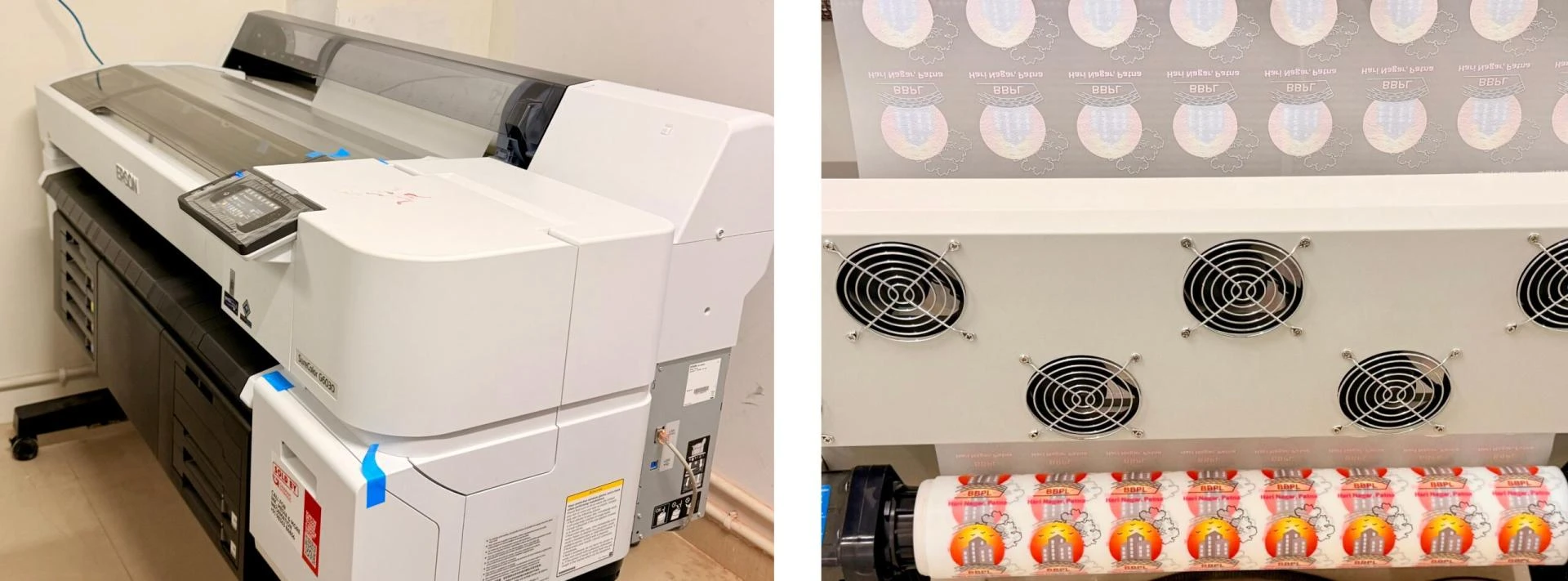
DTF printing is a modern technique where a design is first printed onto a special film and then transferred onto fabric using heat and adhesive powder. This method is gaining popularity because it allows full-color, high-resolution designs on a wide range of fabrics, including cotton, polyester, and blends.
Key Benefits:
- Works on light and dark fabrics
- Durable and flexible prints
- Supports complex and detailed designs
- No limitation on colors
Limitations:
- Requires special DTF powder and equipment
- Slightly higher cost per unit compared to vinyl for small orders
2. Screen Printing
Screen printing is one of the oldest and most established methods. It involves creating a stencil (or “screen”) for each color in the design and applying ink through the mesh onto the fabric.
Key Benefits:
- Cost-effective for large orders
- Vibrant and durable colors
- Works well on almost all fabric types
Limitations:
- Not ideal for highly detailed or multi-color designs
- Setup is time-consuming for small runs
- Limited color gradients
3. DTG (Direct to Garment) Printing
DTG printing is like using an inkjet printer directly on a t-shirt. It sprays water-based inks onto fabric, allowing highly detailed, full-color designs.
Key Benefits:
- High-resolution, photo-quality prints
- Perfect for small batches and one-off designs
- Works best on 100% cotton fabrics
Limitations:
- Less durable on polyester fabrics
- Slower for bulk production
- Higher cost per unit than screen printing
4. Heat Transfer Vinyl (Vinyl Printing)
Vinyl printing involves cutting designs from colored sheets of vinyl and heat pressing them onto garments. It is popular for custom names, numbers, and simple logos.
Key Benefits:
- Ideal for lettering and logos
- Durable if applied correctly
- Great for small orders or personalization
Limitations:
- Not suitable for complex or full-color images
- Can feel slightly rigid on fabric
- Requires cutting equipment and heat press
Comparing DTF vs Screen vs DTG vs Vinyl: Key Factors
Choosing the right printing method depends on several factors, including order size, design complexity, fabric type, and budget.
1. Cost and Order Volume
| Printing Method | Best for | Cost Efficiency |
|---|---|---|
| Screen Printing | Bulk orders | Low cost per unit for large quantities |
| DTG | Small runs | Cost-effective for one-offs |
| DTF | Medium to large runs | Balanced cost for colorful designs |
| Vinyl | Personalized items | Low setup cost but higher per-unit for large orders |
Tip: For startups or small businesses, DTG or DTF is often more practical for small batches, while screen printing excels for bulk merchandise.
2. Design Complexity
- Simple, single-color logos: Vinyl or screen printing
- Multi-color or gradient designs: DTF or DTG
- Photorealistic images: DTG
- Durable, flexible full-color prints: DTF
3. Fabric Compatibility
| Method | Best Fabrics |
|---|---|
| Screen Printing | Cotton, blends, polyester |
| DTG | 100% Cotton (best), cotton blends |
| DTF | Cotton, polyester, blends |
| Vinyl | Cotton, polyester, nylon, blends |
Tip: DTF is versatile for mixed fabrics, while DTG requires natural fibers for optimal results.
4. Durability and Longevity
- Screen Printing: Very durable, withstands repeated washing
- DTF: Durable with good wash resistance
- DTG: Moderate; may fade over time without proper care
- Vinyl: Durable but may crack if washed improperly
Practical Use Cases of Each Printing Method
Understanding real-world applications can help you choose the right method for your project.
1. DTF Printing Applications
- Custom t-shirts for events or giveaways
- Branding for small businesses with complex designs
- Fashion merchandise and colorful graphic tees
Example: A startup creating limited edition branded hoodies with full-color illustrations might choose DTF printing for detail and flexibility.
2. Screen Printing Applications
- Bulk uniforms for employees
- Promotional merchandise for events
- School or sports team apparel
Example: A company ordering 500 t-shirts for a trade show will benefit from screen printing due to cost efficiency and vibrant colors.
3. DTG Printing Applications
- Personalized gifts or custom orders
- Photo-realistic designs on t-shirts
- Short-run collections for e-commerce
Example: An online store selling custom t-shirts with customers’ photos will likely use DTG for high-quality prints.
4. Vinyl Printing Applications
- Numbered jerseys for sports teams
- Custom names and small logo branding
- Simple and bold graphic designs
Example: A boutique gym ordering 50 t-shirts with the gym logo and employee names may use vinyl for its precision and durability.
Design Tips for Beginners in Custom Apparel
Creating a design that works well with your chosen printing method is key.
- Keep It Simple for Vinyl and Screen Printing: Complex gradients and tiny details may not translate well.
- Choose High-Resolution Files for DTG and DTF: Ensure images are at least 300 DPI for crisp results.
- Test on Fabric Samples: Colors and print results may vary depending on fabric type.
- Use Brand Colors Consistently: Maintain brand identity across all printed apparel.
- Consider Print Placement: Chest logos, sleeve prints, and back designs should be positioned for visibility.
Common Mistakes to Avoid
- Choosing the wrong fabric for the printing method
- Overcomplicating the design for simple techniques like vinyl
- Ignoring wash and care instructions for longevity
- Not considering order quantity and cost-effectiveness
- Skipping sample tests before bulk production
By avoiding these mistakes, beginners can achieve professional-quality results.
Industry Trends in Custom Apparel
- Eco-Friendly Printing: Many brands now use water-based inks and recycled fabrics.
- Hybrid Printing: Combining DTF and vinyl for unique designs.
- On-Demand Printing: DTG allows businesses to produce one-off custom orders with minimal inventory.
- Branded Apparel as Marketing: Companies increasingly use custom t-shirts for promotions, employee engagement, and giveaways.
These trends indicate a growing demand for versatile, high-quality, and sustainable printing methods.
Choosing the Right Printing Method for Your Business
When deciding between DTF vs Screen vs DTG vs Vinyl, consider:
- Order Size: Screen printing is best for large runs; DTG or DTF works for small batches.
- Design Complexity: Full-color, photo-quality designs favor DTG or DTF; simple logos suit vinyl or screen printing.
- Fabric Type: Check compatibility with cotton, polyester, or blends.
- Budget: Factor in setup costs, per-unit cost, and long-term durability.
- Purpose: Are you printing for marketing campaigns, merchandise, uniforms, or personal use?
Providers like Ink.Company specialize in offering all these printing methods with expert guidance, helping businesses select the most suitable approach.
Conclusion
Understanding DTF vs Screen vs DTG vs Vinyl is essential for anyone looking to create high-quality custom apparel. Each method offers distinct benefits, depending on design complexity, fabric type, order volume, and budget. Screen printing excels for bulk, vibrant prints; DTG is perfect for detailed and small-run designs; DTF combines flexibility with durability for multiple fabrics; and vinyl is ideal for personalization and simple graphics.
By carefully evaluating your project requirements and understanding these printing techniques, you can maximize the impact of your custom t-shirts and branded apparel. Whether you are a startup launching a marketing campaign or a small business creating employee uniforms, choosing the right printing method ensures your apparel is visually appealing, durable, and cost-effective. Companies like Ink.Company provide expert solutions, helping beginners and businesses alike navigate these options efficiently.
Investing time in learning about these printing methods now can save significant costs, improve your brand image, and ensure your custom clothing looks professional and lasts for years.
FAQ
1. Which printing method is best for beginners?
For beginners, DTF printing is often the most versatile due to its ability to handle complex designs and various fabrics with relatively simple setup.
2. Can DTG printing work on polyester t-shirts?
DTG works best on 100% cotton fabrics. Polyester can lead to less vibrant colors and lower durability unless special pretreatment is used.
3. Is screen printing cost-effective for small orders?
Not really. Screen printing has a higher setup cost, making it more suitable for large batches where per-unit cost is minimized.
4. How durable are vinyl prints?
Vinyl prints are durable if applied correctly and washed according to care instructions. However, repeated hot washing and drying can cause cracking over time.
5. Can one t-shirt use multiple printing methods?
Yes, hybrid designs can combine DTF, DTG, and vinyl for different elements, though this may increase production complexity and cost.

























Sign in to leave a comment.