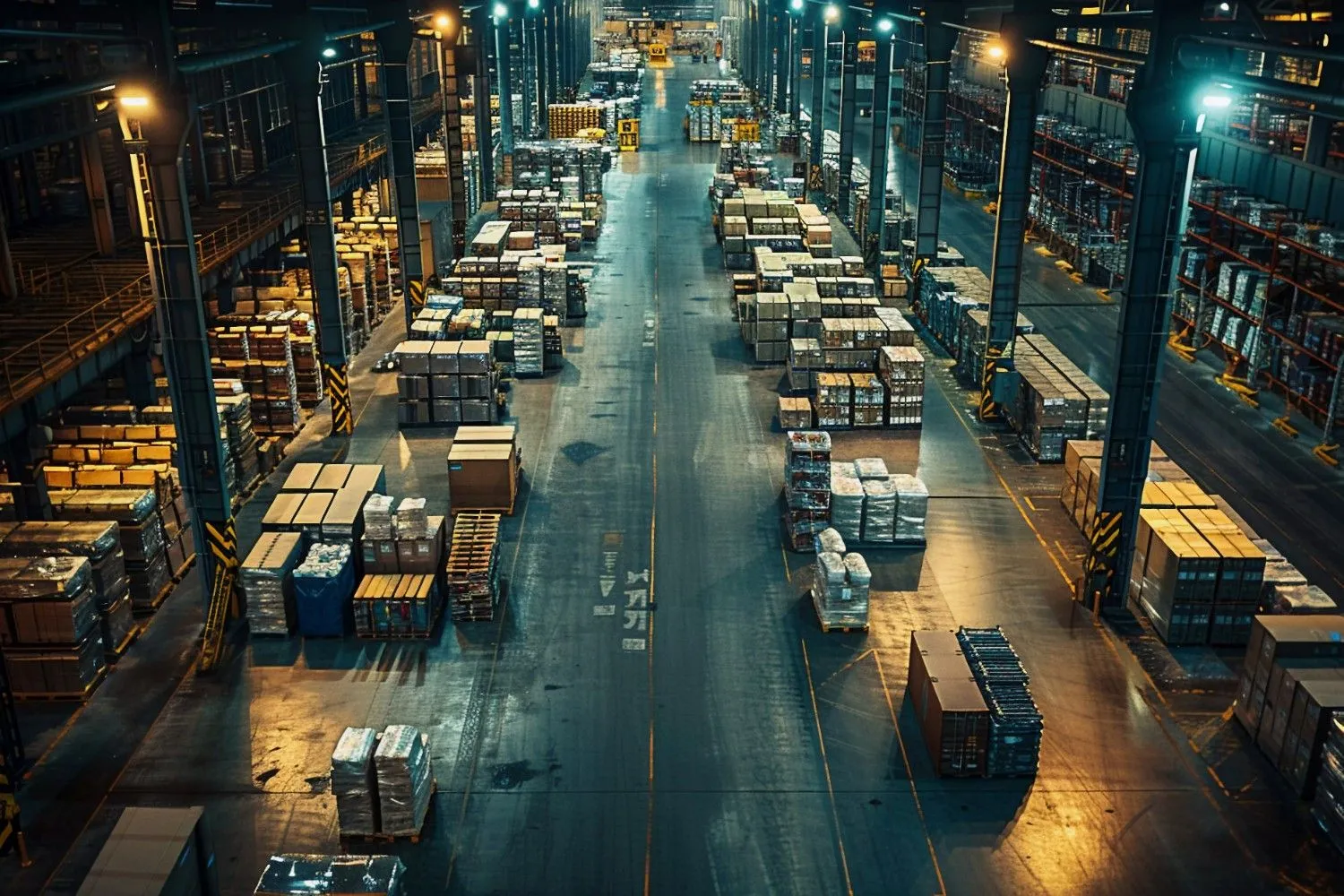

Every business today faces the same tension: how do you build something strong and stable without becoming too rigid to adapt? This question sits at the heart of modern supply chain thinking. A supply chain is no longer just about moving goods from one place to another. It is a living system that connects suppliers, manufacturers, logistics providers, and customers in real time. When that system is built with flexibility and foresight, companies can innovate quickly without breaking anything along the way.
Why Future-Readiness Matters Now
The past few years have made one thing clear: disruptions are not rare events. Pandemics, port congestion, raw material shortages, and geopolitical shifts have all reminded businesses that fragile systems fail when they are needed most.
A future-ready approach does not mean predicting every risk. It means building the ability to respond quickly when the unexpected happens. Companies that invested in resilient infrastructure before the disruptions hit recovered faster and maintained customer trust far better than those that did not.
The Real Cost of Moving Too Slowly
Many companies hesitate to change their operations because change feels risky. They worry about costs, employee resistance, or technology failures. But the cost of staying still can be far greater. Competitors who modernize gain speed, accuracy, and customer satisfaction. Businesses that delay often find themselves reacting to crises rather than getting ahead of them.
Small improvements made consistently over time create enormous advantages. You don’t have to change everything all at once. A phased approach, starting with the areas that cause the most pain, allows teams to learn, adjust, and build confidence before scaling further.
Technology as an Enabler, Not a Replacement
One of the biggest misconceptions is that technology will replace people in operational roles. In reality, the most effective transformations happen when technology handles repetitive, data-heavy tasks so that human teams can focus on judgment, relationships, and strategy.
Tools like real-time tracking, demand forecasting software, and inventory automation reduce errors and save time. Artificial intelligence can spot patterns in supplier behavior or consumer demand that no human team could monitor manually at scale. When used thoughtfully, these tools free people to do more meaningful work.
Case Study 1: Unilever
Unilever, the global consumer goods company, undertook a significant effort to digitize its end-to-end operations. By integrating advanced analytics and improving visibility across its supplier network, the company reduced waste and improved delivery reliability. The initiative helped Unilever cut costs while also meeting its sustainability goals, showing that efficiency and responsibility can go hand in hand.
Balancing Speed with Stability
Innovation often feels like it is in conflict with operational stability. Product teams want to move fast, test new ideas, and launch quickly. Operations teams want consistency, predictability, and control. The key is designing systems that support both.
Modular processes help here. When individual parts of the operation can be updated or replaced without disrupting everything else, teams can innovate in one area while keeping other areas stable. Good supply chain management practices make this possible by creating clear ownership, reliable data flows, and documented procedures that do not create unnecessary bottlenecks.
Building Supplier Relationships That Last
Technology alone cannot make an operation future-ready. The human relationships behind the systems matter just as much. Suppliers who feel like true partners, rather than just vendors, are more likely to flag problems early, offer flexible solutions, and prioritize your business when capacity is tight.
Regular communication, fair payment terms, and honest feedback create the kind of trust that pays off during difficult periods. Diversifying your supplier base across regions also reduces dependence on any single source and improves your ability to keep moving when one link in the chain is stressed.
Case Study 2: Zara (Inditex)
Zara built its entire competitive advantage around supply chain speed and flexibility. By keeping much of its production close to its key markets and shortening design-to-shelf timelines dramatically, Zara can respond to fashion trends in weeks rather than months. This model requires tight supplier coordination, real-time sales data, and disciplined logistics but it consistently outperforms slower competitors who commit to large production runs far in advance.
People and Culture Are Not an Afterthought
Transformation efforts fail most often because of people, not technology. Employees who do not understand why changes are being made, or who feel left out of the process, will resist or simply disengage. Leaders who invest in communication, training, and change management get far better results.
Building a culture that values learning, experimentation, and honest feedback creates organizations that can keep improving over time. When teams feel safe to raise problems and suggest solutions, the whole operation becomes smarter.
Conclusion
Building a future-ready operation is not a one-time project. It is an ongoing commitment to learning, adapting, and improving. For businesses looking to stay ahead, connecting with peers and experts at a Supply Chain Forum can offer practical insights and real-world strategies that are difficult to find in any textbook. The companies that will lead tomorrow are the ones investing in their systems, their people, and their partnerships today. The goal is not perfection. The goal is momentum.
Frequently Asked Questions
1. What does it mean to have a future-ready supply chain?
It means building operations that are flexible, visible, and resilient enough to adapt quickly when market conditions, customer needs, or disruptions change.
2. How can small businesses apply these principles without large budgets?
Start with the biggest pain points. Simple tools like cloud-based inventory tracking or automated reorder alerts can deliver meaningful results without requiring major investment.
3. Is technology the most important factor in modernizing operations?
Technology is important, but people and processes matter equally. The best tools fail when teams are not trained, engaged, or clear on the goals.
4. How often should companies review their operational strategies?
At minimum, once a year. In fast-moving industries, quarterly reviews of key metrics and supplier relationships are more appropriate.
5. What is the first step a company should take toward future-readiness?
Map your current process end to end and identify where delays, errors, or visibility gaps most often occur. That audit will show you where to focus first.





























Sign in to leave a comment.