Electricity does not respect national borders, and increasingly, neither do the grids that carry it. As countries push toward cleaner energy and try to protect themselves from sudden power shortages, linking national power systems together has become one of the smartest moves on the table. Instead of every country building enough power plants to cover its worst possible day, neighbouring nations can share electricity, balance demand, and lean on each other when supply runs low.
What Cross-Border Electricity Interconnection Actually Means
Cross-border electricity interconnection refers to the physical and regulatory linking of two or more national power grids so that electricity can flow between them. This can happen through overhead transmission lines across land borders or through cables laid under the sea between countries separated by water. The goal is simple: allow surplus power in one country to serve demand in another, reducing waste and improving reliability on both sides. When done well, it also opens the door to shared renewable energy, since wind or solar power generated in one nation can be exported the moment local demand dips.
Why Countries Are Investing in Interconnection
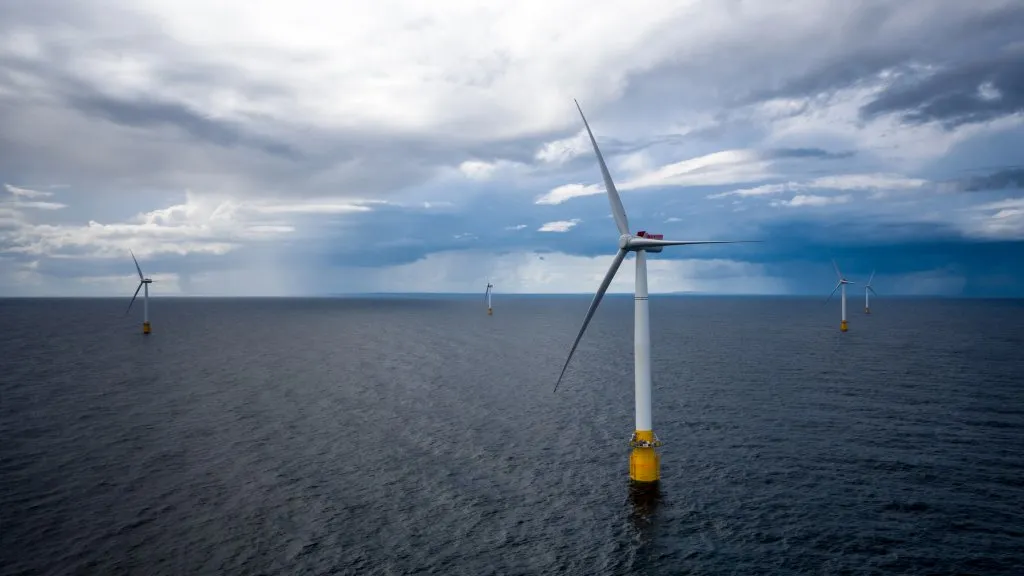
There are a few clear reasons behind this global push. First, renewable energy sources like wind and solar are unpredictable. A windy day in one country might coincide with a calm, sunny day in a neighbouring one, so interconnection allows both to smooth out these swings. Second, interconnection improves energy security. If one nation faces a plant outage, a fuel shortage, or unexpected demand spikes, it can import power rather than face blackouts. Third, shared grids often lower electricity costs, since cheaper power from one market can flow to where prices are higher, keeping overall costs more balanced.
Key Strategies Behind Successful Interconnection Projects
Building a working interconnection is not just about laying cables. It requires coordinated planning, shared technical standards, and political trust between the countries involved. A few strategies stand out as essential.
Regulatory alignment comes first. Countries need compatible rules on pricing, grid access, and safety before power can move smoothly across a border. Without this, even a physically completed link can sit underused.
Technical standardisation matters just as much. Grids built decades apart often use different voltage levels or frequencies, so engineers must design converter stations and control systems that let two different systems talk to each other without instability.
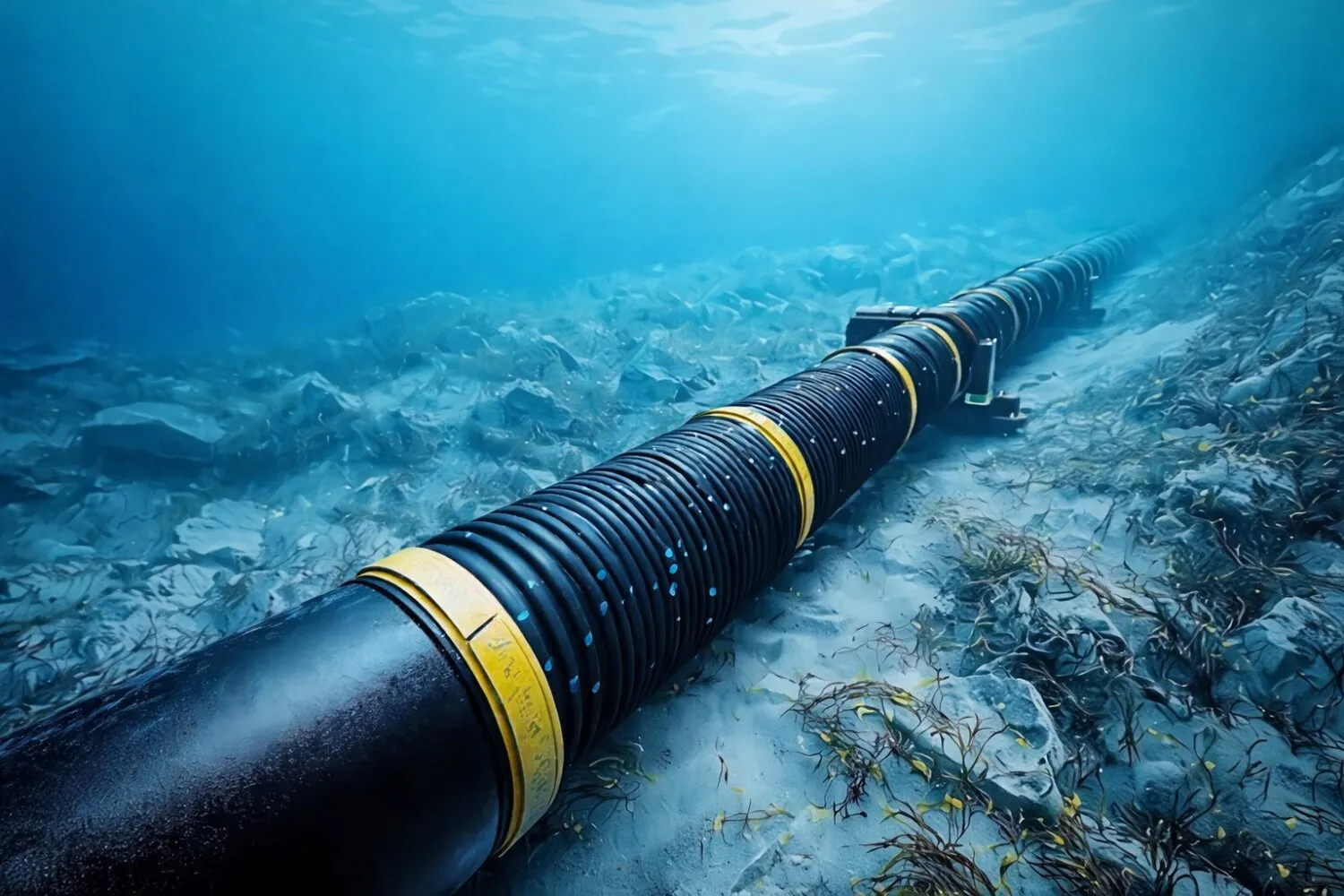
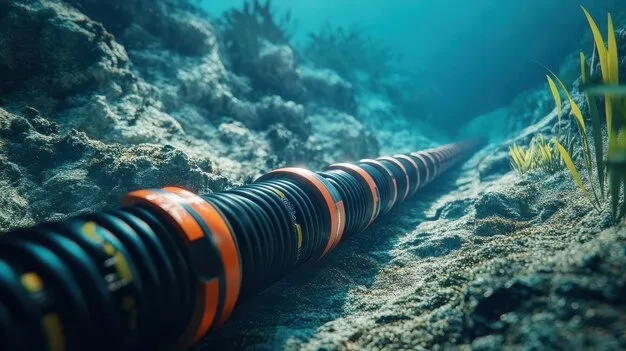
Modern subsea cable technologies have made this kind of connection possible even across long stretches of open sea, allowing island nations and countries separated by water to join regional power markets that were once out of reach. High-voltage direct current cables, in particular, can carry large amounts of power over hundreds of kilometres with fewer losses than older alternating current designs.
Phased rollout is another practical strategy. Many interconnectors start at reduced capacity and scale up gradually, giving grid operators time to test stability before committing to full-scale power flows.
Case Study 1: Viking Link between the United Kingdom and Denmark
Completed at the end of 2023, this link stretches roughly 765 kilometres, with about 650 kilometres running under the North Sea, connecting Bicker Fen in England to Revsing in southern Jutland. It carries up to 1.4 gigawatts of electricity, enough to supply an estimated 2.5 million UK homes, and it earned recognition as the longest land and subsea high-voltage direct current interconnector in the world. The project began operating at a reduced capacity of 800 megawatts to protect grid stability in Denmark before scaling toward its full potential. It is expected to save UK consumers roughly 500 million pounds over its first decade through access to cheaper Danish wind power.
Case Study 2: The Laos-Thailand-Malaysia-Singapore Power Integration Project
Launched in June 2022, this was the first multilateral cross-border electricity trading scheme involving four Southeast Asian nations. It initially allowed up to 100 megawatts of hydropower from Laos to reach Singapore by travelling through existing grid connections in Thailand and Malaysia. In 2025, the project doubled its trading capacity to 200 megawatts and introduced multidirectional trade, meaning Malaysia can now also export power directly to Singapore. The project proved that four countries with different regulatory systems could coordinate a shared electricity market, and it is now seen as a working model for the wider ASEAN Power Grid vision.
Challenges That Still Need Solving
Interconnection projects face real hurdles. Building undersea or cross-country cables is expensive and can take many years to plan and construct. Political disagreements over tariffs, ownership, and priority access can delay progress even after the engineering work is done. There are also environmental considerations, since seabed cable routes must avoid sensitive marine habitats, and land routes must navigate local approvals. Cybersecurity is another growing concern, as connected grids widen the surface area that needs protection from digital threats.
The Road Ahead
Despite these challenges, momentum is building. More countries are treating interconnection as a core part of their energy strategy rather than an optional add-on. Regional groupings in Europe, Southeast Asia, and Africa are actively expanding their networks, often backed by development banks and international cooperation frameworks. As renewable energy grows, the case for linking grids only gets stronger, since no single country can fully balance a system built on wind and sun without help from its neighbours.
Conclusion
Cross-border electricity interconnection is steadily reshaping how nations think about energy independence. Rather than standing alone, countries are learning that shared infrastructure can deliver more reliable, affordable, and sustainable power than isolated systems ever could. Progress in cable engineering, seen clearly in projects like Viking Link, alongside the increasing frequency of a subsea power cable event marking new records or capacity milestones, shows how far the technology has come and how much further it can still go. The countries that plan ahead, align their regulations, and invest in strong physical links will be the ones best placed for a stable and cleaner energy future.
Frequently Asked Questions
Q1. What is the main benefit of cross-border electricity interconnection?
The biggest benefit is reliability. Countries can import power during shortages and export surplus power during periods of low demand, which reduces the risk of blackouts and helps balance renewable energy sources like wind and solar.
Q2. How does electricity travel through undersea cables?
Electricity moves through specially insulated cables laid on or buried beneath the seabed. Most long-distance subsea links use high-voltage direct current technology because it loses less energy over long distances compared to alternating current.
Q3. Are cross-border interconnectors expensive to build?
Yes, they typically cost hundreds of millions to a few billion dollars depending on length, capacity, and terrain. However, many projects pay off over time through cheaper imported electricity and reduced need for backup power plants.
Q4. Do interconnectors only benefit richer countries?
No. Developing nations often benefit significantly, since interconnection allows them to export surplus renewable energy, attract investment, and access more stable electricity supplies without building costly new power plants of their own.
Q5. What is the biggest challenge in building these projects?
Aligning regulatory frameworks across different countries can be more challenging than solving the engineering problems themselves. Differences in pricing rules, grid codes, and approval processes can delay projects for years even after the technical design is complete.

























Sign in to leave a comment.