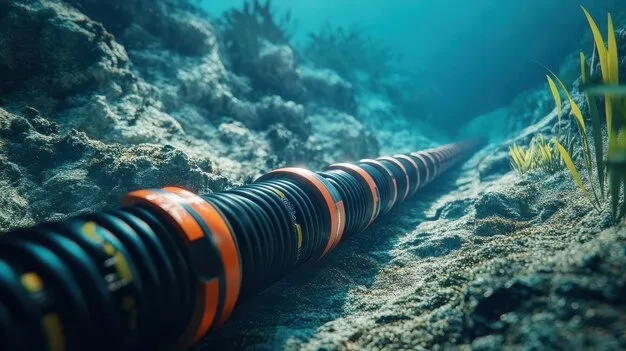

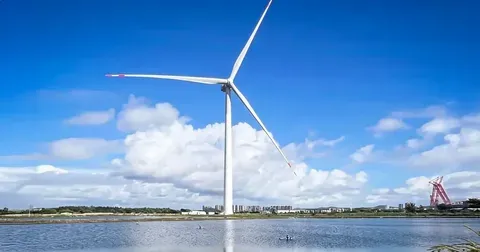
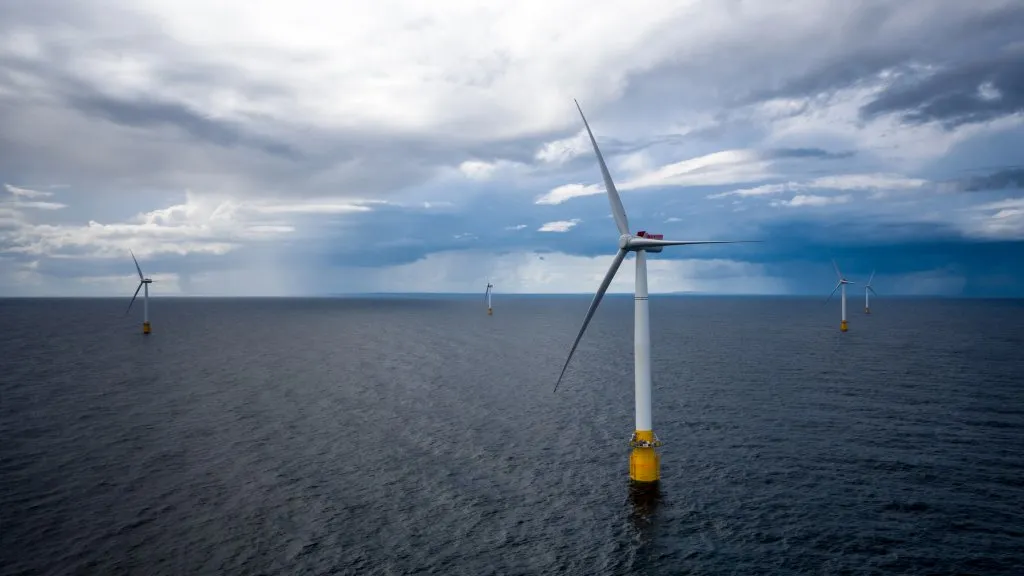
Offshore energy projects, especially wind farms and cross border power links, depend on one hidden but critical component: the cable running along the seabed. Most people never see it, yet it decides whether a billion dollar project succeeds or struggles with constant breakdowns. When cable quality is poor, the entire project suffers, from lost revenue to long repair delays.
Why Submarine Power Cables Matter So Much
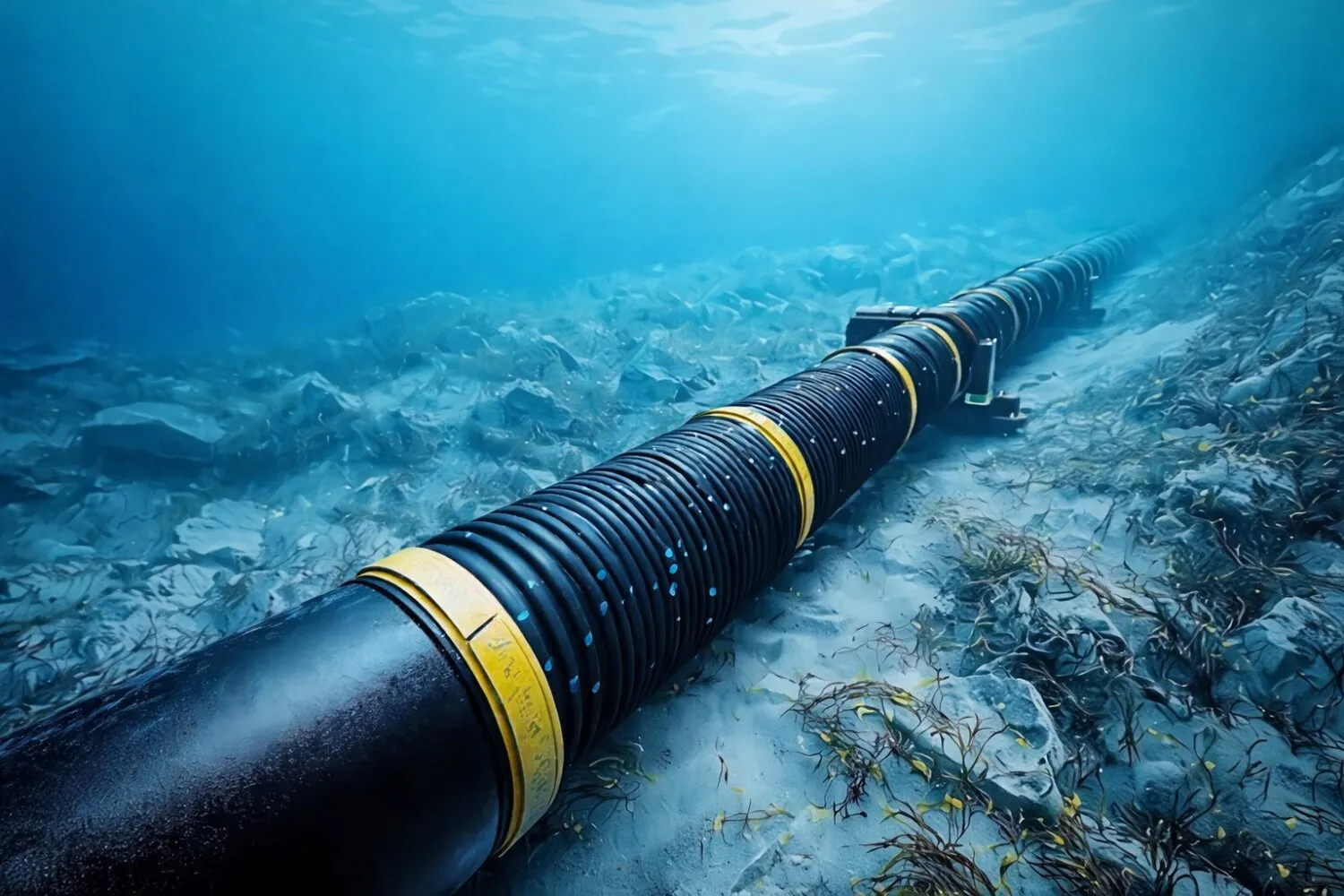
A submarine power cable is the link between offshore power generation and the onshore grid. It carries electricity across the seabed, often through rough currents, shifting sand, fishing activity, and extreme pressure. Unlike onshore cables, these systems cannot be easily inspected or repaired. A single fault can take a wind farm offline for weeks or even months, since repair vessels, specialized crews, and favorable weather windows are all needed before work can begin. This is why cable quality is treated as a core engineering priority rather than a minor detail during project planning.
The Direct Link Between Cable Quality and Project Reliability
Reliability in offshore projects is not just about strong turbines or solid foundations. It also depends heavily on how well the cable is manufactured, tested, and installed. Industry data shows that a large share of insurance claims in offshore wind, in some studies over 70 percent, are connected to cable failures rather than turbine or foundation problems. Many of these failures trace back to manufacturing defects, poor jointing work, or damage during installation, not simply old age or natural wear.
Poor quality cables tend to fail in three common ways. First, insulation can break down faster than expected, especially if manufacturing tolerances were not tightly controlled. Second, mechanical protection layers can be too thin or poorly bonded, leaving the cable vulnerable to bending stress as it is laid on an uneven seabed. Third, joints and terminations, the points where cable sections connect, are often the weakest link if workmanship during installation is rushed or poorly supervised.
How Quality Failures Affect the Wider Grid
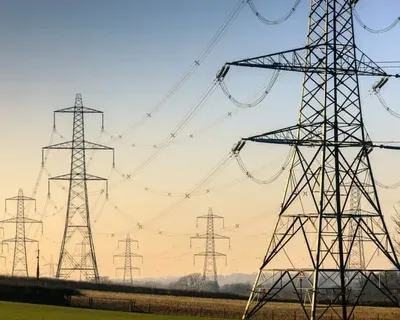
Cable problems rarely stay isolated. Many offshore wind farms and cross border links depend on a single cable route for electricity interconnection between two grids or regions. If that cable fails, the impact can spread beyond one project site, affecting energy supply, pricing, and grid stability across an entire region. This is one reason regulators and grid operators now push for stricter cable testing standards before a project is approved for operation. A weak cable does not just threaten one developer's investment, it can ripple through the broader energy system that depends on that connection.
Real World Examples
Two recent incidents show how cable quality and protection genuinely change outcomes for offshore projects.
Case Study 1
The first involves the Estlink 2 cable, which connects the electricity grids of Finland and Estonia across the Baltic Sea. Toward the end of 2024, this cable suffered an unplanned failure that was later linked to a vessel dragging its anchor across the seabed. The disruption did not just affect the cable owner. It reduced available interconnection capacity between two national grids, pushed up regional electricity prices, and required a lengthy, weather dependent repair operation before service returned to normal.
Case Study 2
The second example reflects a broader pattern observed across the Baltic Sea region throughout 2024 and into early 2025, during which several subsea cables and pipelines were damaged in separate incidents, with most cases attributed to anchors dragged by passing vessels. These events pushed grid operators and cable owners to invest in better seabed protection, deeper burial standards, and continuous monitoring systems. Analysts tracking this sector have estimated that thousands of cable related failures could occur across offshore wind and interconnector projects globally between 2024 and 2035, with repair and downtime costs reaching tens of billions of euros if quality and protection standards are not improved.
Building Reliability Through Better Cable Practices
Project developers who want to avoid these problems generally focus on a few key areas. They choose cable suppliers with a strong manufacturing track record and third party testing certificates. They insist on detailed factory acceptance testing before the cable ever leaves the production facility. They also work closely with installation contractors to reduce bending stress, avoid over tension during laying, and ensure adequate burial depth in areas with heavy fishing or shipping traffic.
Ongoing monitoring after installation is equally important. Modern offshore projects increasingly use fiber optic sensing built into the cable itself, which can detect temperature changes, movement, or early signs of stress long before a full failure occurs. This shift from reactive repair to proactive monitoring is changing how the industry manages long term reliability.
Conclusion
Submarine cable quality is not a background detail in offshore project planning, it is one of the biggest factors determining whether a project delivers steady, dependable power over its lifetime. A single subsea power cable event, whether caused by a manufacturing flaw, poor installation, or external damage, can disrupt electricity supply, delay revenue, and cost far more than the original investment in quality materials and careful engineering. Developers who prioritize rigorous testing, skilled installation, and continuous monitoring are far better positioned to avoid these costly disruptions and keep their offshore projects running reliably for decades.
Frequently Asked Questions
Q1. What is the biggest cause of submarine cable failures in offshore projects?
Most failures are linked to installation damage, including improper bending, tension during laying, and poorly made joints, rather than simple aging of the cable material.
Q2. How long does it typically take to repair a damaged submarine power cable?
Repairs can take anywhere from a few weeks to several months, depending on weather conditions, vessel availability, and how deep the cable is buried.
Q3. Can submarine cable failures affect regions beyond the project site?
Yes. When a cable supports electricity interconnection between two grids, a failure can raise regional electricity prices and reduce supply reliability across both connected areas.
Q4. What technologies help detect cable problems early?
Distributed fiber optic sensing is increasingly used to monitor temperature, strain, and movement along the cable, allowing operators to spot early warning signs before a full failure happens.
Q5. Why do insurance claims in offshore wind focus so heavily on cables?
Cables are considered a single point of failure for connecting power to shore, and manufacturing or installation defects make them statistically more likely to cause costly claims than other project components.























Sign in to leave a comment.