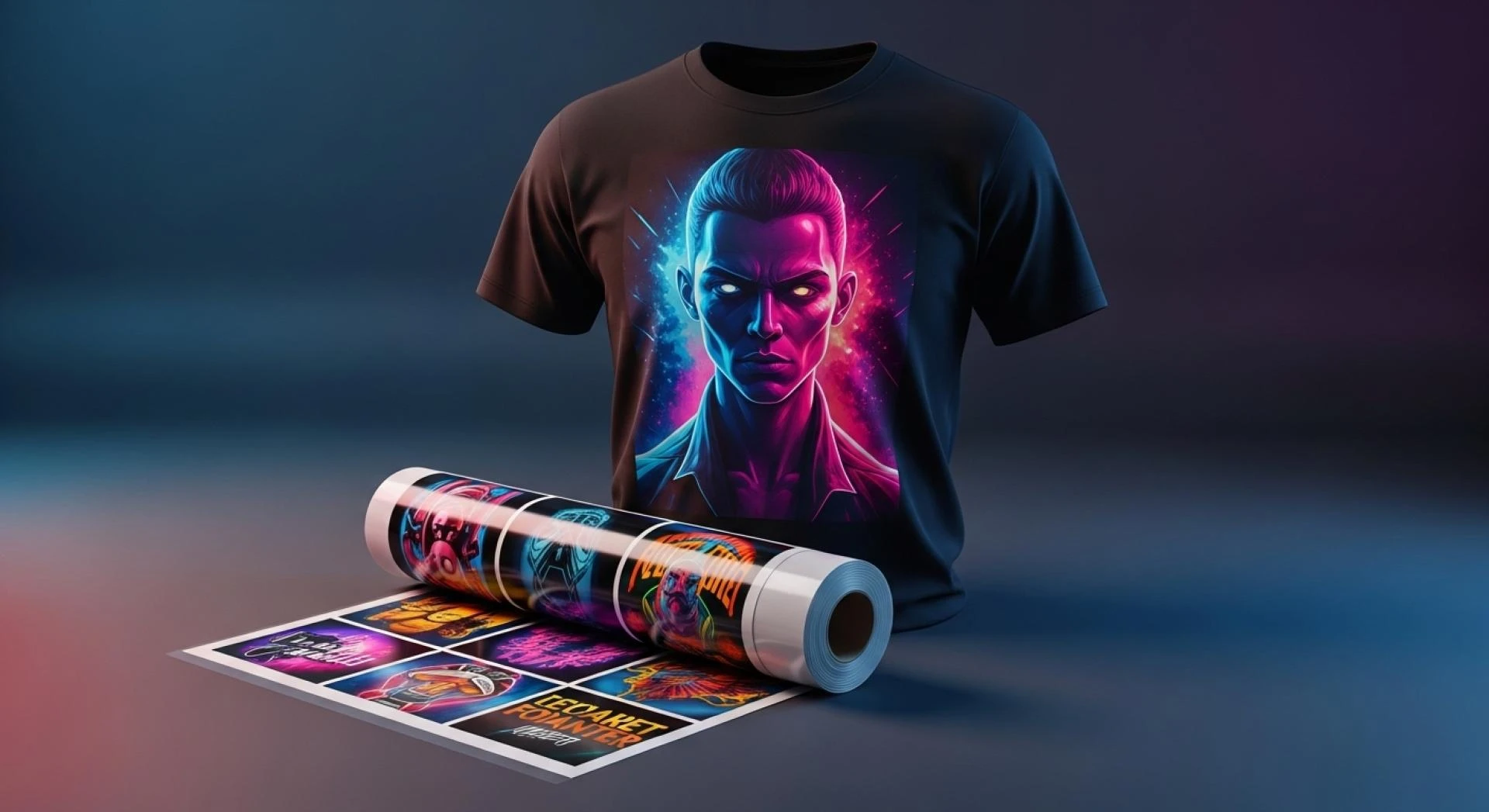

The custom apparel industry has evolved rapidly over the past few years. From small Etsy sellers to full-scale streetwear brands, entrepreneurs are constantly searching for faster, more cost-effective, and high-quality printing solutions. One technology that has significantly reshaped the market is Direct-to-Film (DTF) printing.
In 2026, DTF is no longer just an alternative — it’s becoming the preferred choice for many clothing businesses. Companies like Wise DTF Prints are helping brands scale without the traditional headaches associated with bulk production, high setup costs, or limited fabric compatibility.
At WriteUpCafe, let’s explore why DTF printing is transforming the custom apparel industry and why more brands are shifting toward it.
What Is DTF Printing?
DTF (Direct-to-Film) printing is a process where designs are printed onto a special film, coated with adhesive powder, and then heat-pressed onto fabric.
Unlike:
- Screen printing (which requires screens and large minimum orders)
- Direct-to-Garment (DTG), which works best on cotton
DTF printing works on multiple fabric types, including:
- Cotton
- Polyester
- Blends
- Nylon
- Dark and light garments
This flexibility alone makes it incredibly attractive for modern apparel brands.
Why Traditional Printing Methods Are Losing Ground
Before DTF gained popularity, most businesses relied on:
1. Screen Printing
- High setup costs
- Large minimum order quantities
- Time-consuming preparation
- Limited color flexibility
2. Heat Transfer Vinyl (HTV)
- Labor-intensive
- Not ideal for complex designs
- Limited scalability
3. DTG Printing
- Expensive machines
- Fabric limitations
- Pre-treatment requirements
For startups and small businesses, these limitations slow down growth and increase risk.
DTF eliminates many of these barriers.
Lower Startup Costs for Clothing Brands
One of the biggest reasons DTF is booming is affordability.
New apparel brands no longer need to:
- Order 100+ pieces per design
- Invest thousands in screen setup
- Worry about leftover inventory
With DTF transfers, businesses can:
- Order small quantities
- Test new designs
- Launch limited drops
- Print on demand
This flexibility reduces financial risk and allows entrepreneurs to validate ideas before scaling.
Perfect for Print-on-Demand Models
Print-on-demand (POD) continues to grow globally. Consumers want personalized apparel, and brands want low inventory risk.
DTF aligns perfectly with this model because:
- Designs can be printed in small batches
- No complex setup required
- Fast turnaround times
- High-quality full-color prints
Companies like Wise DTF Prints support print-on-demand sellers by providing ready-to-press transfers, enabling businesses to focus on marketing rather than production.
Superior Print Quality and Durability
Modern DTF technology delivers:
- Vibrant colors
- Fine detail reproduction
- Strong stretch resistance
- Long-lasting durability
Unlike vinyl, DTF doesn’t crack easily.
Unlike some DTG prints, it doesn’t fade quickly when properly pressed.
For brands building long-term customer trust, print durability is essential. Happy customers mean repeat purchases.
Works on Multiple Fabrics
Fashion brands today use more than just cotton. Performance wear, polyester blends, and specialty fabrics are becoming mainstream.
DTF works exceptionally well on:
- Sportswear
- Hoodies
- Tote bags
- Caps
- Workwear
This versatility allows brands to expand their product range without investing in multiple printing technologies.
Faster Production Turnaround
Speed matters in modern eCommerce.
Trends change quickly. Viral designs can lose momentum in days. With DTF:
- Files are printed directly to film
- Transfers are ready to press
- No screen burning required
- No pre-treatment stage
Businesses can respond quickly to trends and seasonal demands.
Ideal for Small and Medium Businesses
DTF has democratized apparel printing.
Previously, large manufacturers had the advantage due to bulk production capabilities. Now:
- Small brands can compete
- Home-based businesses can scale
- Side hustles can become full-time ventures
By partnering with reliable DTF suppliers, entrepreneurs avoid heavy equipment investment and production errors.
Scalability Without Complexity
Growth often creates operational challenges. More orders mean more production stress.
DTF simplifies scaling because:
- Transfers can be ordered in bulk
- Storage is easy
- Pressing is straightforward
- Workflow is streamlined
Businesses can increase order volume without dramatically increasing overhead.
Eco-Conscious Improvements
Sustainability is becoming a key factor in purchasing decisions.
Modern DTF inks are water-based and evolving toward eco-friendlier formulations. Additionally:
- Reduced waste compared to screen setup
- No excess ink disposal
- More precise production
While not perfect, DTF represents a step forward in efficient resource usage compared to some traditional methods.
Common Misconceptions About DTF
“DTF feels heavy on fabric.”
High-quality transfers, when applied correctly, feel soft and flexible.
“It’s only for simple designs.”
DTF actually excels at:
- Gradients
- Complex illustrations
- Photorealistic prints
“It won’t last long.”
When properly heat-pressed and washed according to care instructions, DTF prints can maintain color and integrity for a long time.
How Apparel Brands Can Leverage DTF in 2026
Here’s a smart strategy for new and growing brands:
Step 1: Test Designs
Order small batches of DTF transfers to validate demand.
Step 2: Focus on Branding
Invest in strong design, storytelling, and marketing.
Step 3: Build a Supplier Relationship
Work with reliable providers like Wise DTF Prints that offer consistent quality and fast turnaround.
Step 4: Scale Gradually
Increase order volume based on real sales data, not guesses.
The Future of Custom Apparel Printing
The apparel industry is shifting toward:
- Short production cycles
- Customization
- Micro-brands
- Influencer-driven drops
- Limited edition releases
DTF supports all of these trends.
As consumer demand for unique, personalized clothing increases, printing methods must adapt. DTF provides the flexibility, affordability, and quality required for this new era.
Final Thoughts
DTF printing is not just a trend — it’s a structural shift in how custom apparel businesses operate.
It removes traditional barriers like:
- High setup costs
- Large minimum orders
- Fabric restrictions
- Slow production timelines
For startups, print-on-demand sellers, and growing clothing brands, DTF offers a powerful combination of efficiency and scalability.
As the industry continues to evolve in 2026 and beyond, businesses that adopt flexible technologies like DTF will be better positioned to compete, innovate, and grow sustainably.
If you’re building or expanding a custom apparel brand, understanding and leveraging DTF printing could be the strategic advantage that sets you apart.




























Sign in to leave a comment.