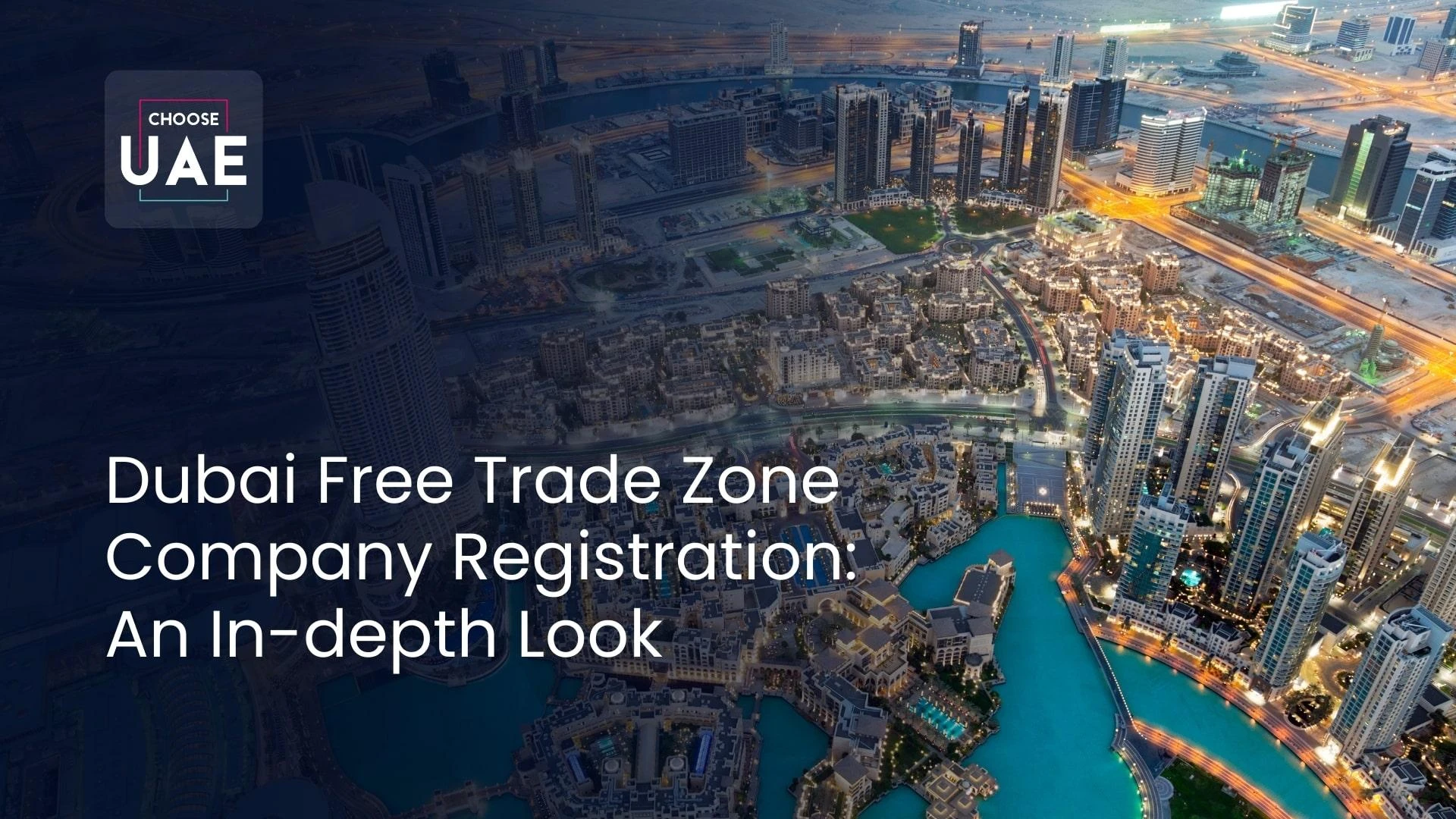

Dubai, a city synonymous with innovation and growth, has been a magnet for businesses worldwide. A key element in its business-friendly environment is the concept of Free Trade Zones (FTZs), designed to encourage foreign investment and streamline the process of company formation. In this blog, we’ll take an in-depth look at the process of registering a company in Dubai’s Free Trade Zones, highlighting the benefits, steps, and key considerations for businesses.
What are Dubai Free Trade Zones?
Free Trade Zones in Dubai are special economic areas where goods and services can be traded, usually with preferential tax and customs rates. These zones are designed to boost international business by providing a more flexible regulatory environment. Each Free Trade Zone in Dubai caters to specific industries and offers tailored services and infrastructure to support these sectors.
Benefits of Setting Up in Dubai Free Trade Zones
100% Foreign Ownership: Unlike other areas in Dubai, FTZs allow total foreign ownership of companies.Tax Advantages: Companies enjoy tax benefits, including exemptions from import and export duties, corporate taxes, and personal income taxes.Repatriation of Profits: Free Zone companies can repatriate 100% of their profits without restrictions.Strategic Location: Dubai’s FTZs offer a strategic location for global trade, with access to major shipping routes and airports.No Currency Restrictions: There are no currency restrictions in FTZs, making international transactions smoother.State-of-the-Art Infrastructure: Dubai’s FTZs provide world-class infrastructure, utilities, and facilities tailored to various industries.Steps for Company Registration in Dubai Free Trade Zones
Step 1: Choose the Right Free Trade Zone
Select a Free Trade Zone that aligns with your business activities and goals. Each zone has its own set of rules, regulations, and facilities, and caters to specific business sectors.
Step 2: Determine Your Business Activity
Clearly define your primary business activities. This is crucial as it will determine the type of license you will require and influence the Free Trade Zone you choose.
Step 3: Choose a Company Name
Your company name must comply with UAE naming conventions. It should not contain any offensive language or religious or political references.
Step 4: Apply for a Business License
Apply for the relevant business license depending on your company's activities. This could be a commercial, industrial, service, or specific sector-based license.
Step 5: Submit Required Documentation
Prepare and submit the necessary documentation, which may include a business plan, passport copies of shareholders, and application forms.
Step 6: Complete Registration Process
Follow through with the registration process, which includes paying the necessary fees and obtaining approvals from relevant authorities.
Step 7: Set Up Your Business Office
Depending on the Free Trade Zone and your business type, you may need to set up an office. Many FTZs offer flexible office solutions, including shared workspaces.
Step 8: Obtain Visas
If necessary, process visas for you, your employees, and their dependents. Free Trade Zones often provide assistance with visa applications.
Key Considerations
Understanding Regulations: Each Free Trade Zone has its own set of rules and regulations. It's vital to understand these thoroughly to ensure compliance.Costs: Consider the costs involved, including registration fees, office space rent, and operational expenses.Business Scale: Some FTZs are more suited to small and medium-sized enterprises, while others cater to larger corporations.Connectivity: Consider the connectivity and accessibility of the Free Trade Zone to your suppliers, customers, and employees.Conclusion
Registering a company in one of Dubai’s Free Trade Zones can offer significant advantages, including tax benefits, full ownership, and strategic location perks. The process, while straightforward, requires careful consideration of the specific requirements of each FTZ and a thorough understanding of the legal framework. For businesses looking to establish a presence in the Middle East and beyond, Dubai’s FTZs offer an attractive and efficient gateway.

























Sign in to leave a comment.