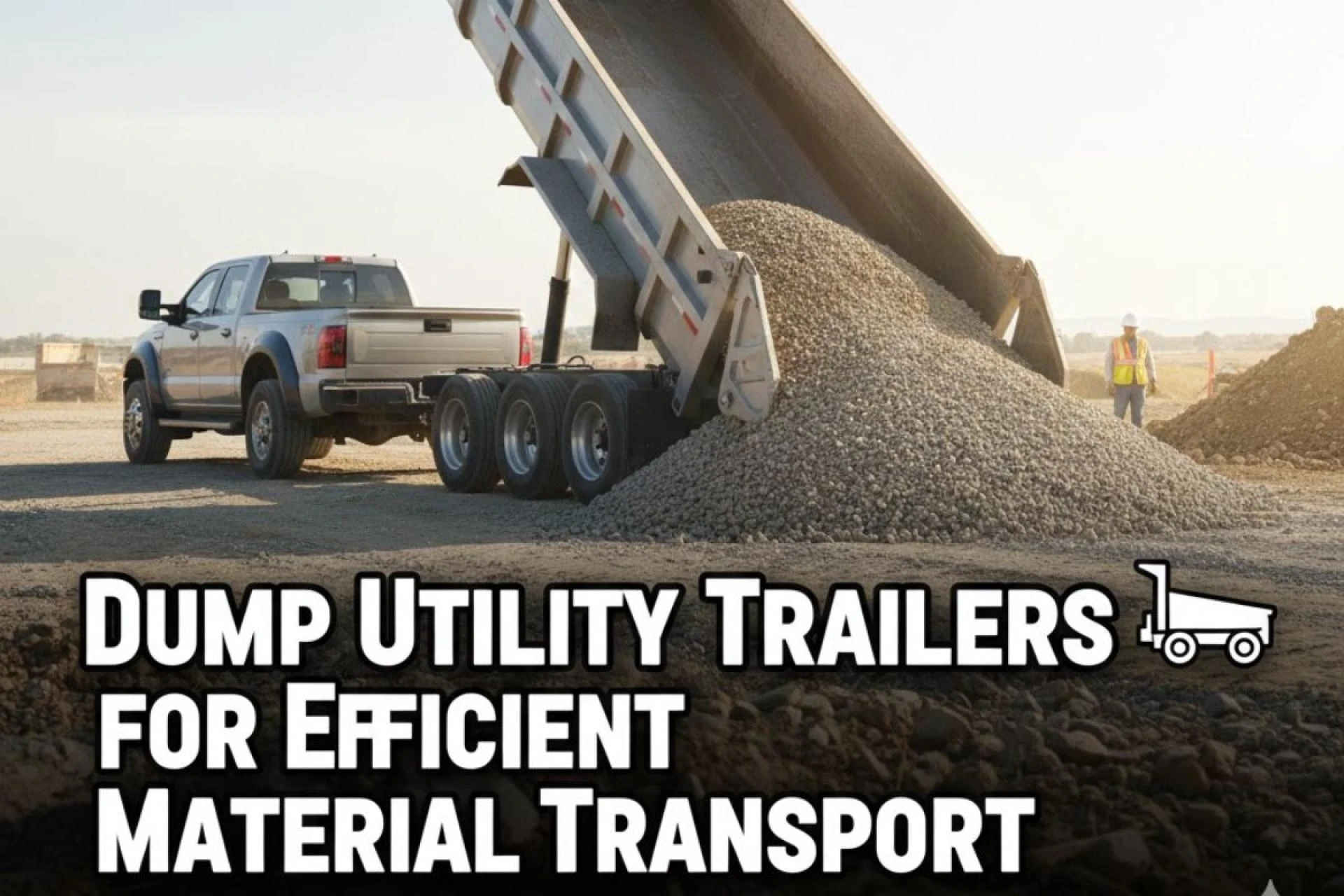

Some jobs look simple until you’re knee-deep in gravel with a shovel that feels heavier every minute. We’ve all been there. One pile turns into five. The wheelbarrow squeaks. Your back starts negotiating with your brain. That’s usually the moment a dump utility trailer starts making a lot of sense.
Halfway through those long afternoons, right around the point where patience thins out, a dump utility trailer quietly changes how work feels. Not magically. Just practically. Less lifting. Fewer trips. Fewer muttered complaints under your breath.
Why Dump Utility Trailers Get Chosen Again and Again
We notice people don’t talk about dump trailers with excitement. They talk about relief. The kind that comes when dirt slides out clean instead of needing to be wrestled free.
Landscapers hauling soil. Contractors moving broken concrete. Farmers shifting feed or manure. Even homeowners clearing yard waste after a storm. These trailers show up everywhere because they do one thing really well. They dump. And that matters.
Manual unloading wears people down fast. A hydraulic lift doesn’t complain. Push a button, watch gravity do its quiet job. The sound alone—material shifting, thudding down—feels like progress.
Real Workdays, Real Loads
We’ve seen dump utility trailers loaded with mulch early morning, gravel by noon, and scrap wood by evening. Same trailer. Different mess each time.
Construction sites around growing towns rely on them daily. Rural properties too. Farms across India use dump trailers during harvest season, especially when time feels tight and help runs short. One trailer replaces hours of hand labor. That’s not exaggeration. It’s math.
Smaller dump trailers fit easily behind pickup trucks. Larger ones handle heavier payloads without wobbling all over uneven ground. Choosing size depends on work, not ego. Bigger isn’t always better. Sometimes it just burns more fuel.
What Makes These Trailers Easier to Live With
A dump trailer should feel predictable. No surprises. No sudden jerks when lifting.
Steel beds take abuse. They scratch, dent, rust a little. That’s normal. A good bed still dumps clean even after years of hard use. Side walls matter too. Taller sides mean fewer spills. Removable sides add flexibility. Some days you haul branches. Other days bricks.
Hydraulic systems stay simple on purpose. Electric pumps with battery hookups work fine for most jobs. Hand pumps exist, though arms get tired fast. Maintenance stays minimal if you don’t ignore small leaks. Ignoring leaks never ends well.
Daily Use Without the Drama
Using a dump utility trailer isn’t complicated, though people sometimes make it so.
Load evenly. Always. Piling everything on one side invites trouble. Tires wear faster. Frames complain. You feel it while towing.
Secure the load. Even loose soil can slide forward when braking. That moment feels longer than it is.
Dump on level ground when possible. Uneven dumping looks harmless until gravity chooses a side. We’ve seen trailers tip. It’s not graceful.
After dumping, lower the bed fully before moving. Sounds obvious. Yet it gets missed during busy days.
Local Demand and Where These Trailers Fit In
Search patterns tell a story. Phrases like “dump utility trailer near me” or “dump utility trailer for sale in India” keep climbing. Small businesses want equipment that pays itself back quickly. Homeowners want weekend projects done faster.
Urban expansion pushes demand. More construction zones. More renovation debris. More landscaping work. Local rental yards carry dump trailers because people ask for them often. Buying makes sense once rentals start adding up.
Regional terrain plays a role too. Rocky soil needs stronger frames. Monsoon seasons demand reliable brakes and sealed wiring. Trailers built for local conditions last longer. Simple truth.
Maintenance That Keeps Things Moving
Trailers don’t ask for much. They do ask for attention.
Check hydraulic fluid levels. Low fluid shows up as slow lifts. Tires need air. Underinflated tires strain axles. Grease fittings exist for a reason. A few minutes with a grease gun saves repairs later.
Wash mud off after jobs. Dried soil hides cracks. Rust loves damp corners. Nobody enjoys discovering damage late.
Electrical connections deserve a glance before long trips. Lights failing on dark roads bring unnecessary stress.
Cost, Value, and That Quiet Calculation
Dump utility trailers cost more than flatbeds. No surprise. The question stays simple. Does it save enough time and effort to justify itself?
For many, yes. For some, not yet. Occasional use favors rentals. Frequent hauling tips the scale toward ownership. Used trailers work fine if frames stay straight and hydraulics behave.
Resale value stays decent. These trailers age honestly. Scratches don’t scare buyers. Bent frames do.
Small Moments That Add Up
There’s a moment after dumping a full load where you pause. Just briefly. The bed lowers. The site clears. Work moves on. That pause feels earned.
Dump utility trailers don’t pretend to be fancy. They exist for dirty jobs. That honesty shows. People trust equipment that doesn’t overpromise.
Some tools shout. Others quietly help. These fall into the second group.

Sign in to leave a comment.