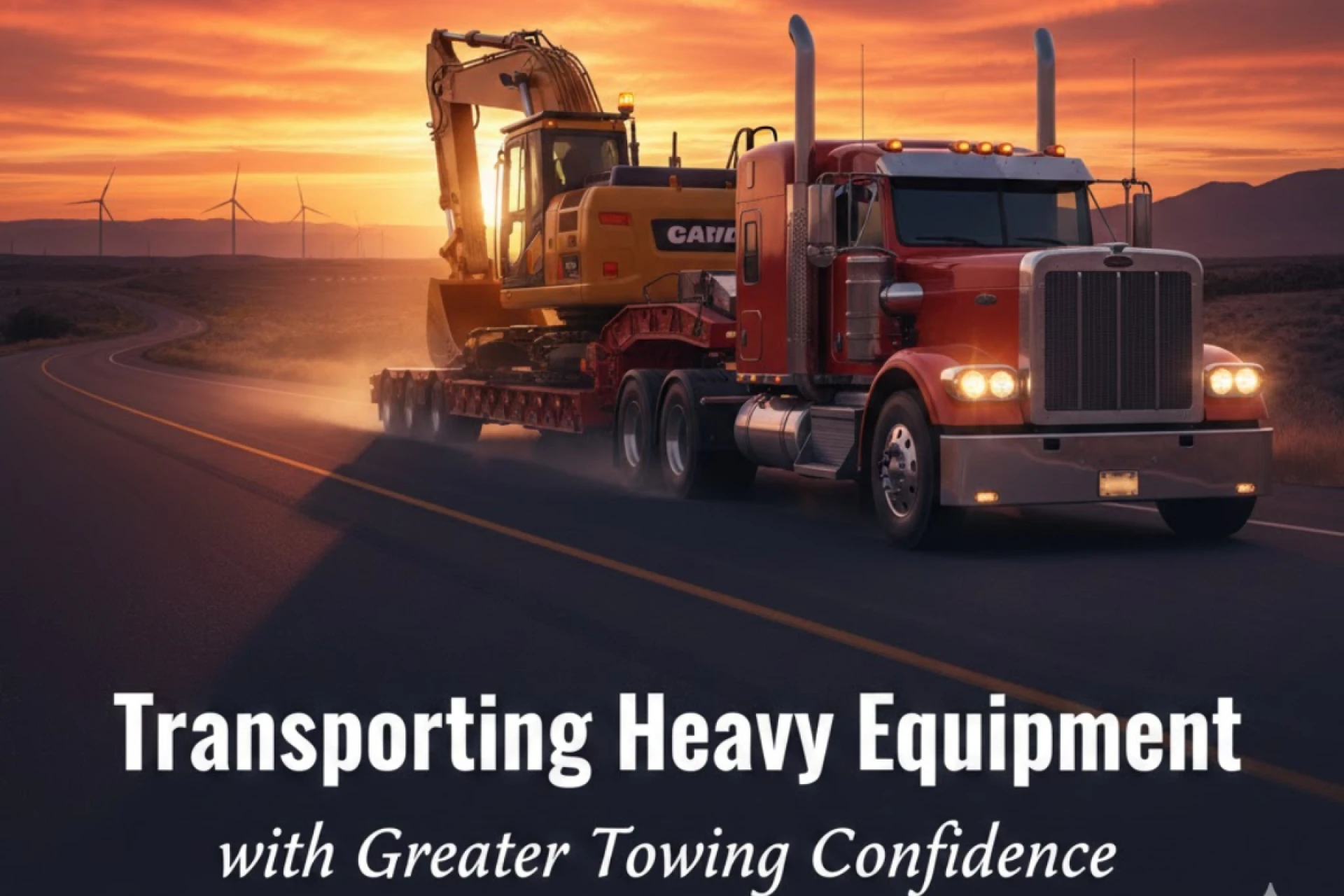

Confidence while towing isn’t loud. It doesn’t announce itself. You feel it more than you talk about it. Hands steady on the wheel. Shoulders relaxed. That quiet sense that the load behind you isn’t about to surprise you. I remember the first time I hauled a piece of equipment that actually made me nervous. The weight. The length. Every turn felt like a test. Somewhere in the middle of that learning curve, gooseneck flatbed trailers entered the picture, right between white-knuckle drives and the realization that towing doesn’t have to feel like a gamble.
Heavy equipment changes the whole towing conversation
Hauling a lawn mower is one thing. Hauling skid steers, tractors, or construction equipment is another. The weight sits differently. Momentum behaves differently. Braking distances stretch out in ways you don’t forget once you feel them.
Confidence grows when the setup feels planted. Heavy equipment demands stability, not guesswork. The trailer becomes part of the truck, not a separate thing pulling its own agenda.
Why hitch position affects everything
One of the first things people notice with gooseneck setups is how the weight sits over the rear axle. That shift changes the entire driving experience. Less sway. Less fishtailing. Crosswinds feel less dramatic.
I’ve driven routes where side winds usually demanded full attention. With the right trailer, those same roads felt calmer. Not effortless. Just calmer.
Steering feels more predictable
Tight turns reveal weak setups fast. Heavy equipment exaggerates every flaw. Gooseneck flatbed trailers track differently through turns. The pivot point behaves in a way that feels more natural once you’re used to it.
Backing up even starts to make sense after a while. Not easy. Just less chaotic. And that alone reduces stress on job sites where space is tight and eyes are watching.
Load placement makes or breaks the trip
Heavy equipment doesn’t forgive sloppy loading. Weight too far back invites sway. Too far forward strains the truck. Flatbed layouts allow flexibility in positioning. Tie-down points matter more than people admit.
I’ve watched someone reload the same machine twice just to get the balance right. The second attempt always feels smoother on the road.
Suspension and ride feel under pressure
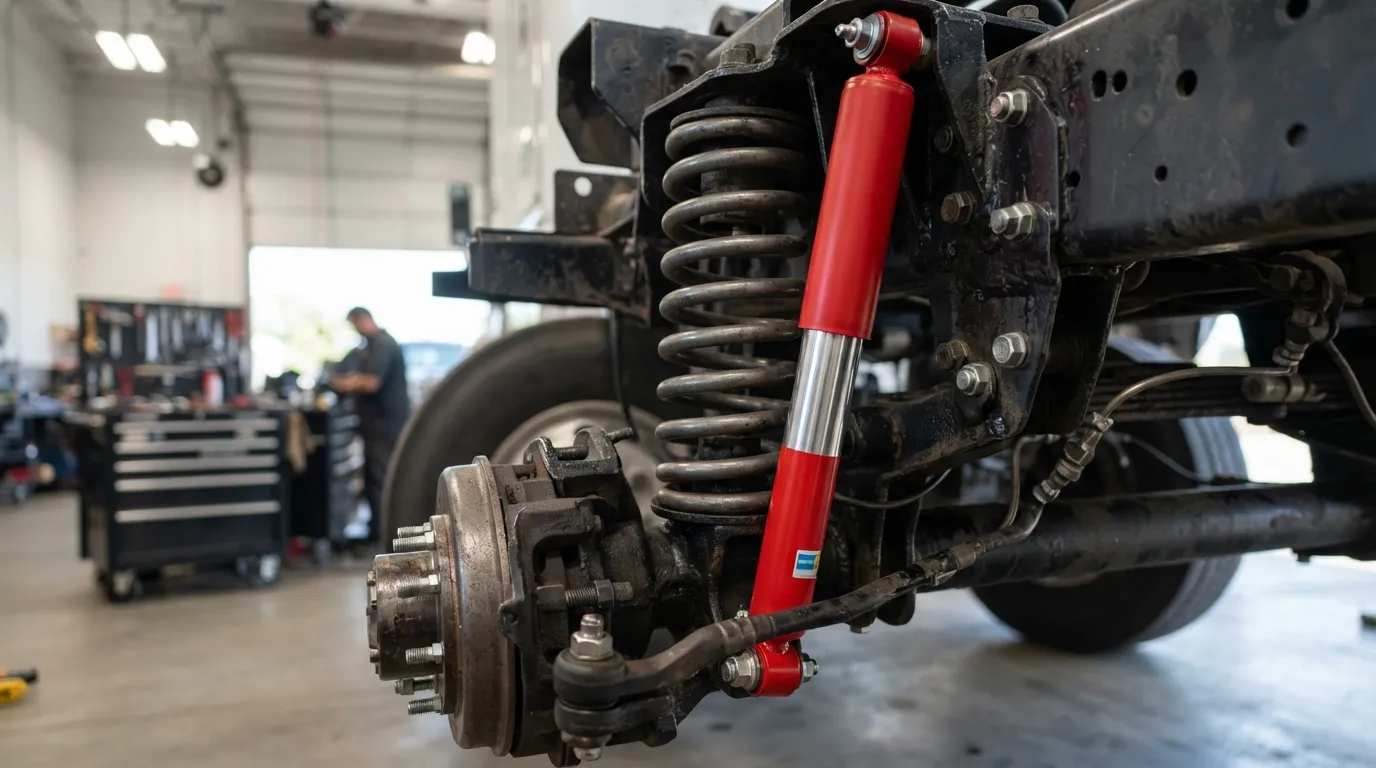
Empty trailers bounce. Loaded trailers test suspension. When hauling heavy equipment, suspension quality affects both comfort and control. A trailer that absorbs road imperfections keeps the load steadier.
Less bounce means less stress on straps, chains, and equipment itself. That matters over long distances.
Braking confidence isn’t optional
Stopping power defines towing confidence. Heavy equipment pushes forward when brakes engage. Trailer brake systems need to respond evenly, without delay.
Good setups feel predictable. You press the pedal and the whole rig responds as one. That feeling builds trust mile after mile.
Flatbed space brings flexibility
Equipment sizes vary. Attachments add length. Flatbed trailers offer space that enclosed options can’t. You see your load. You adjust straps easily. You notice shifts early.
That visibility matters. Especially on longer hauls where quick checks bring peace of mind.
Durability shows up slowly
Strong trailers reveal their value over time. Welds hold. Decks resist wear. Tie-down points stay solid. Reliability doesn’t impress on day one. It earns respect months later.
People hauling equipment daily start recognizing which trailers don’t cause problems. Those are the ones they keep.
Confidence grows with repetition
The first few heavy hauls always feel tense. After a while, muscle memory kicks in. Turns feel familiar. Braking distances feel intuitive.
Equipment still commands respect. Confidence doesn’t mean careless. It means prepared.
Weather tests everything
Rain changes traction. Wind pushes broad loads. Heat affects tires. Cold stiffens components. Towing confidence shows its worth in bad conditions.
A stable trailer reduces mental fatigue during weather challenges. Less correction. Less constant adjustment.
Job sites demand control
Crowded sites. Uneven ground. Slopes. Mud. Getting equipment on and off safely matters as much as highway travel. Flatbed access simplifies loading. No walls. No door clearances.
Clear lines of sight help too. You see exactly what’s happening.
Maintenance awareness builds trust
Trailers that invite inspection build confidence. Visible components. Accessible connections. Checking things becomes habit instead of chore.
People who tow heavy equipment regularly develop routines. Walk-arounds. Strap checks. Tire glances. Confidence grows from knowing everything’s in order.
Matching trailer to equipment
Not every trailer suits every machine. Weight ratings matter. Deck length matters. Axle configuration matters. People who match equipment carefully feel the difference immediately.
Overloading never feels good. Balanced loads do.
Experience changes expectations
After towing with stable equipment, going back feels uncomfortable. You notice sway sooner. You anticipate problems faster. Experience reshapes standards.
That’s when confidence becomes expectation, not hope.
Long hauls reveal the truth
Short trips hide flaws. Long hauls expose them. Noise. Vibration. Handling quirks. Reliable trailers stay composed hour after hour.
Less fatigue. Less tension. Better focus on the road.
Quiet confidence matters
The goal isn’t showing off equipment. It’s arriving safely. On time. With everything intact. Confidence comes from consistency, not bravado.
People who tow heavy equipment learn to appreciate setups that don’t demand constant attention.





















Sign in to leave a comment.