

On a hot evening in Riyadh, the first question many drivers ask about an electric vehicle is not about software, screens, or even speed. It is simpler, and more practical. How far can it really go, and will the money make sense after purchase? That is the right place to begin. For most households, an EV is not a lifestyle statement. It is a transport asset, and like any asset, it must work hard every day.
The market has changed fast. Only a few years ago, buyers had to accept a difficult trade-off, either decent range at a high price, or lower cost with serious compromises in charging speed, cabin space, and battery efficiency. By 2026, that gap is narrowing. Reuters and major auto analysts have tracked how battery costs eased from earlier peaks, while automakers from Tesla, Hyundai, Kia, BYD, General Motors, BMW, Mercedes-Benz, and others widened their EV lineups. This does not mean every model is good value. Some are still overpriced, some promise range that falls sharply in desert heat or highway use, and some look affordable only until charging habits and insurance are included.
For a beginner, the smartest method is not to chase the highest advertised number. It is to match real-world range with your weekly routine, then compare total ownership cost, charging access, and resale strength. That is why readers often start with broad comparisons such as Best Electric Vehicles for Range and Value: An Expert Guide, then narrow down the field by avoiding known buying errors in Common Mistakes When Choosing Electric Vehicles for Range and Value. A good first EV should reduce anxiety, not create new one. If chosen carefully, it can fit family budgets, support Saudi Vision 2030 goals around cleaner mobility, and still feel fully practical, inshallah.
Start with your driving reality, not the brochure headline
The most useful first step is to map your own driving pattern with honesty. Many buyers overestimate how often they need extreme range, and at same time underestimate how much climate, speed, and charging availability affect the battery. According to The Conversation, people considering an EV should focus on everyday use, charging access, and battery behavior in real conditions rather than treating official range figures as guaranteed outcomes. This is especially relevant in Gulf conditions, where summer temperatures can increase energy use because cabin cooling is not optional, it is survival.
A driver commuting 40 to 70 kilometers a day and charging at home does not need a flagship battery pack. A family making frequent intercity trips from Riyadh to Dammam, or from Jeddah toward Makkah and Taif, needs more buffer, faster DC charging, and better thermal management. These are very different cases. Yet both buyers often compare cars using one simple number from marketing material. That is how expensive mistakes happen.
Range is not a trophy figure. It is a planning tool, and its value depends on weather, speed, road type, and where you charge.
Build your shortlist around these questions first:
- How many kilometers do you drive on a normal weekday?
- Can you install home charging, or will you rely on public stations?
- How often do you take trips above 250 kilometers in one day?
- Do you drive mostly in city traffic, mixed roads, or high-speed highways?
- Will the car carry family, luggage, and air conditioning load most of the time?
Once those answers are clear, the market becomes easier to read. A compact EV with moderate battery may be excellent value for urban use. A larger crossover with stronger charging curve may be the better bargain for regional travel, even if the sticker price is higher. Buyers who skip this step often end up paying for battery capacity they rarely use, or worse, buying too small and regretting it every weekend.
Understand the numbers that actually matter for value
When people say they want the “best electric vehicle for range and value,” they are really combining several measurements. Purchase price matters, yes, but value is broader. It includes usable range, charging speed, battery efficiency, maintenance profile, warranty terms, software support, and expected resale. A car can be cheap and still poor value if it charges slowly, loses range badly at highway speed, or comes from a brand with weak service coverage.
Start with efficiency. Two EVs may offer similar battery sizes, but one will travel farther per kilowatt-hour because of better aerodynamics, lighter weight, and stronger power management. That means lower charging cost over time. Then examine charging speed, not only peak figures. A model advertised at 250 kW may hit that number only briefly, while another with a lower peak may maintain stronger charging for longer and finish a road-trip stop faster in real use.
Industry rankings can help, but they should not replace your own calculation. The MSN summary of CarBuzz 2026 EV rankings reflects how broad the field has become, with vehicles spanning premium sedans, mainstream crossovers, and family-focused models. Meanwhile, media selections can challenge assumptions. The Mirror reported on a family EV pick that was not a Tesla, Volkswagen, or Audi, a reminder that practical value is no longer limited to the most famous badges.
Here is a better way to compare value:
- Purchase price after fees, not base trim fantasy pricing.
- Real-world range in your climate and driving style.
- DC charging performance from 10% to 80%, not only peak power.
- Home charging compatibility and installation cost.
- Warranty coverage for battery and drive unit.
- Service network in your city or region.
- Expected resale after three to five years.
In the Middle East, one more factor deserves attention, battery cooling system quality. Heat resilience is not a luxury feature here. It is central to long-term value. Brands with stronger experience in thermal management may justify a higher upfront price because they protect battery health better over years of hard climate use.
The cheapest EV on day one is not always the least expensive EV over five years. Value begins with price, but it ends with durability and ease of use.
Which EV types make most sense for beginners in 2026
By 2026, the beginner no longer needs to think only in terms of luxury EVs. The market now has several useful categories, each with different strengths. The smartest entry point depends on your charging access and family needs. Sedans often deliver the best efficiency because of shape and weight. Crossovers bring easier entry, more cargo room, and stronger family appeal, but usually consume more energy. Large SUVs can offer excellent comfort and range, yet they are harder to justify on value unless you regularly use the space.
For first-time buyers, there are four broad groups worth studying. Compact urban EVs can be attractive if your driving is mostly local and charging is easy at home or office. Mid-size sedans usually offer the strongest range-per-money ratio. Compact and mid-size crossovers are the most balanced for family life, especially if rear-seat space and luggage matter. Premium EVs can make sense for high-mileage users who benefit from better charging, software, and cabin quality, but they are not automatic value winners.
Recent 2026 model discussions across industry media show that the strongest value often sits in the middle of market, not at the top. Tesla remains influential because of efficiency and charging ecosystem in many regions, but Hyundai, Kia, BYD, and others have become serious contenders. General Motors and European brands continue refining battery platforms and charging performance. In some markets, Chinese brands are also increasing pressure on pricing, forcing established automakers to offer more equipment for same money.
For a beginner, these are sensible priorities by use case:
- City commuter: prioritize efficiency, compact size, and affordable home charging setup.
- Family household: prioritize rear-seat comfort, cargo space, safety tech, and moderate-to-strong range.
- Frequent highway traveler: prioritize fast charging curve, stable high-speed efficiency, and service support.
- Budget-focused buyer: prioritize total cost of ownership, battery warranty, and resale confidence.
If you are still comparing battery electric and other low-emission pathways, it also helps to read How to Get Started With Hydrogen Fuel Cell Vehicles vs Battery Electric. For most private buyers today, battery EVs remain the more practical route because charging infrastructure is broader and model choice is much larger. Hydrogen may have future relevance in heavy transport and selected fleets, but for daily passenger use, the EV market is simply more mature.
Charging is where a good EV decision becomes a great one
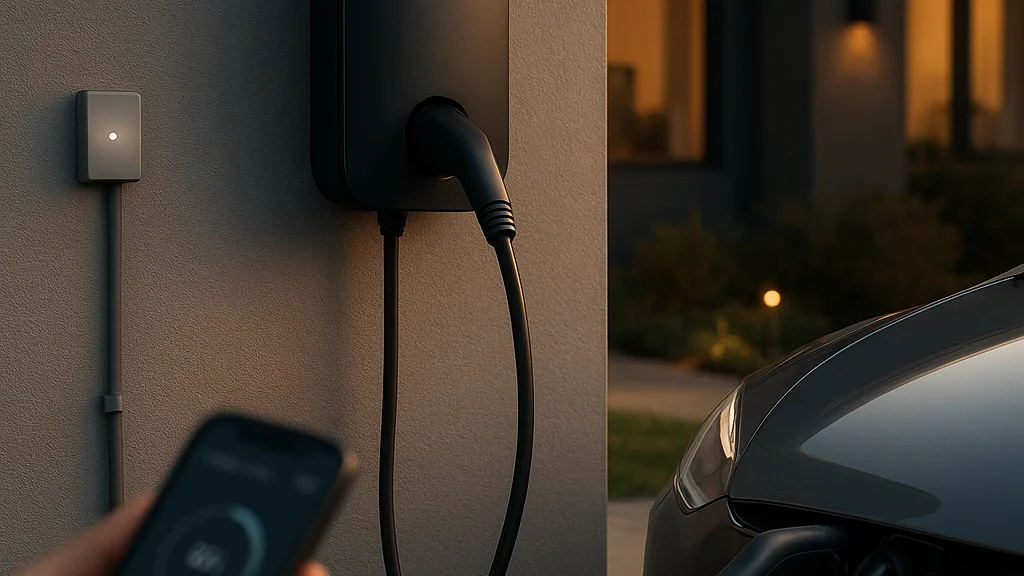
Many first-time buyers spend weeks comparing range figures and almost no time studying charging. This is backwards. If charging is convenient, even a moderate-range EV feels easy. If charging is inconvenient, even a long-range model becomes stressful. The first question is whether you can charge at home. A private garage, villa parking area, or assigned apartment space with power access changes the ownership experience completely. Overnight AC charging is slower, but it is often enough because the car recovers your daily use while you sleep.
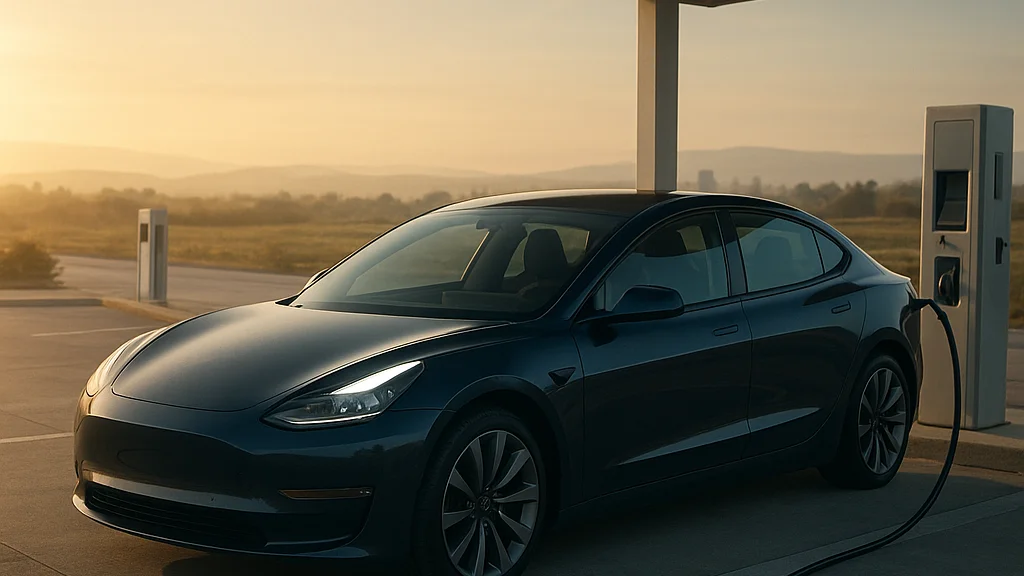
Public charging matters mainly in three cases, long-distance travel, apartment living without dedicated charging, and high-mileage commercial use. In 2026, infrastructure continues improving in many countries, though quality and reliability still vary. Some stations are fast but busy, some are available but poorly maintained, and some are in locations that add inconvenience to a trip. That means a buyer should test the local charging map before buying, not after.
There are also hidden cost issues. Home charger installation can involve electrical upgrades. Public fast charging can cost notably more than home electricity. Insurance may differ by model. Some brands bundle charging incentives, software features, or maintenance plans, while others separate them. A proper budget should include all of this.
Use this charging checklist before signing anything:
- Confirm whether your home parking can support charging safely.
- Ask for the exact charging port standard in your market.
- Check local fast-charging locations on your regular routes.
- Estimate monthly charging cost at home versus public stations.
- Study charging speed from 20% to 80%, not from empty to full.
- Ask how battery preconditioning works before fast charging.
This is one reason some buyers prefer brands with stronger software integration and route planning. The car should not only drive well, it should help you manage energy well. That software layer can be a quiet but important part of value, especially for new EV owners who are still learning the rhythm of charging stops and battery behavior.
What has changed recently, and why 2026 is a better entry point
The EV conversation in 2026 is more mature than it was in early adoption years. Consumers now have more evidence on battery longevity, better understanding of maintenance savings, and a wider field of vehicles across price bands. Automakers also learned painful lessons from supply chain disruptions, battery raw material volatility, and uneven demand. The result is a more competitive market, with stronger incentives in some regions and sharper price discipline in others.
Several developments matter for new buyers. First, platform efficiency improved. Newer EV architectures are extracting more range from similar battery sizes. Second, charging speeds and route-planning software are better integrated than before. Third, battery warranties are now a central trust signal, and many brands know buyers will compare them closely. Fourth, competition from Chinese manufacturers has put pressure on legacy brands globally, even where those Chinese brands are not dominant in sales. This pressure has improved equipment levels and value propositions across the board.
There is also a regional story. Gulf countries, including Saudi Arabia, are expanding clean mobility ambitions as part of broader economic diversification. Saudi Vision 2030 is not only about exports and megaprojects. It is also about building future-facing industries, smarter cities, and cleaner transport options. Aramco itself has explored lower-carbon pathways and mobility technologies, showing that even traditional energy giants understand transition is not a simple switch, but a strategic portfolio shift. For consumers, this means EV adoption is increasingly tied to infrastructure planning, fleet procurement, and urban development, not only private enthusiasm.
At same time, buyers should remain realistic. Residual values are still settling in many markets. Charging infrastructure is improving, but not equally. Policy support can change. Some automakers continue to adjust production plans after demand did not grow at same pace everywhere. That makes disciplined buying more important, not less. If you want a forward-looking snapshot, The Future of Best Electric Vehicles for Range and Value in 2026 gives a useful companion view on where market direction may go next.
How to shortlist the best models without getting overwhelmed
The beginner mistake is to compare ten or fifteen vehicles at once. A better approach is to create a shortlist of three, maximum five, then test them against a fixed framework. Start by eliminating cars that do not fit your budget after taxes, registration, charger installation, and insurance. Then remove any model with weak service coverage in your area. There is no value in a well-reviewed EV if basic support is two cities away.
After that, compare the survivors on real use. Sit in the rear seat. Load the trunk. Check visibility. Review charging speed data from trusted outlets. Ask owners about software bugs, tire wear, and climate performance. If possible, test-drive on a highway with air conditioning running. Many EVs feel excellent in short urban drives, but their efficiency and noise profile become more revealing at speed.
A clean shortlist framework may look like this:
- Budget fit: total purchase cost, not marketing headline price.
- Range fit: enough buffer for your longest normal day.
- Charging fit: home charging plus dependable public backup.
- Family fit: seat comfort, cargo, child-seat practicality.
- Ownership fit: warranty, service, software reputation, resale.
One helpful method is to score each car from 1 to 5 on these categories. A model with slightly less headline range may still win because it charges faster, costs less to insure, and has better cabin practicality. This is why broad ranking articles should be treated as starting points only. They are useful for awareness, but your own use case must decide the winner.
If you want a more product-focused comparison after building your shortlist, Top Electric Vehicles for Range and Value in 2026 can help frame the field. Still, do not let any list replace your own arithmetic. The best EV is not the one with the loudest online fan base. It is the one that fits your life with the least friction.
Final advice for first-time buyers who want confidence, not hype
Buying your first EV should feel like entering a more efficient transport system, not joining a camp. Brand tribalism is one of the least useful parts of this market. A sensible buyer should welcome competition because it improves technology, lowers prices, and forces better service. What matters is practical confidence. Can the car cover your daily use comfortably? Can you charge it easily? Will it remain financially sensible after three to five years? Those are the questions that survive beyond online arguments.
My advice is simple. Begin with your routine, not with social media. Favor proven charging convenience over theoretical maximum range. Respect climate impact on batteries, especially in hot regions. Compare total cost of ownership with discipline. And give serious weight to service support, because ownership quality is shaped after delivery, not only at showroom.
There is reason for optimism. The EV sector is no longer experimental for mainstream buyers. It is becoming normal transport, and that is exactly what the industry needed. As infrastructure expands and battery efficiency improves, range anxiety will keep shrinking for many users. The next wave of value will likely come not only from larger batteries, but from smarter software, better thermal control, lower running costs, and more competitive pricing.
The best beginner EV is the one that makes daily life feel easier from the first week, and still looks financially wise after the excitement of purchase is gone.
For readers in Saudi Arabia and across the wider region, this moment is especially interesting. Cleaner mobility can sit alongside industrial ambition, energy expertise, and local innovation. That balance matters. We do not need to copy every Western policy argument to see the benefit. If a vehicle offers strong range, fair value, and reliable charging, it deserves attention on its own merits. Buy with clear eyes, compare with patience, and the transition can be practical, not ideological, inshallah.































Sign in to leave a comment.