

Why this comparison matters for first-time alternative fuel buyers
If you are trying to decide how to get started with hydrogen fuel cell vehicles versus battery electric vehicles, the first thing to know is that both aim to reduce tailpipe emissions, but they do it in very different ways. A battery electric vehicle, often called a BEV, stores electricity in a battery pack and uses that stored energy to power an electric motor. A hydrogen fuel cell vehicle, often called an FCEV, stores hydrogen in onboard tanks and converts that hydrogen into electricity through a fuel cell stack, which then powers an electric motor.
For beginners, the decision is rarely just about technology. It is about where you live, how far you drive, how quickly you need to refuel or recharge, what models are actually available in your market, and how comfortable you are with infrastructure that may still be limited. In many regions, battery electric cars are much easier to adopt because charging options are broader and model selection is larger. Hydrogen fuel cell vehicles can still make sense for some drivers, especially where refueling stations exist and where quick refueling is a priority, but they remain a niche consumer option in most markets.
If you want a broader market overview before narrowing down your personal checklist, our Complete Guide to Hydrogen Fuel Cell Vehicles vs Battery Electric in 2026 is a useful place to start. Readers who are already comparing ownership tradeoffs may also want to review Expert Tips for Choosing Between Hydrogen Fuel Cell and Battery Electric Vehicles for a more decision-focused framework.
Start with the simplest question: what can you actually use where you live?
The most practical first step is not to compare laboratory efficiency charts or future forecasts. It is to map your real-world access. Ask three basic questions.
- Can you charge at home, at work, or reliably near your routine destinations?
- Are there hydrogen refueling stations within a reasonable distance of your home and common routes?
- Are there actual vehicles for sale or lease in your area that fit your budget?
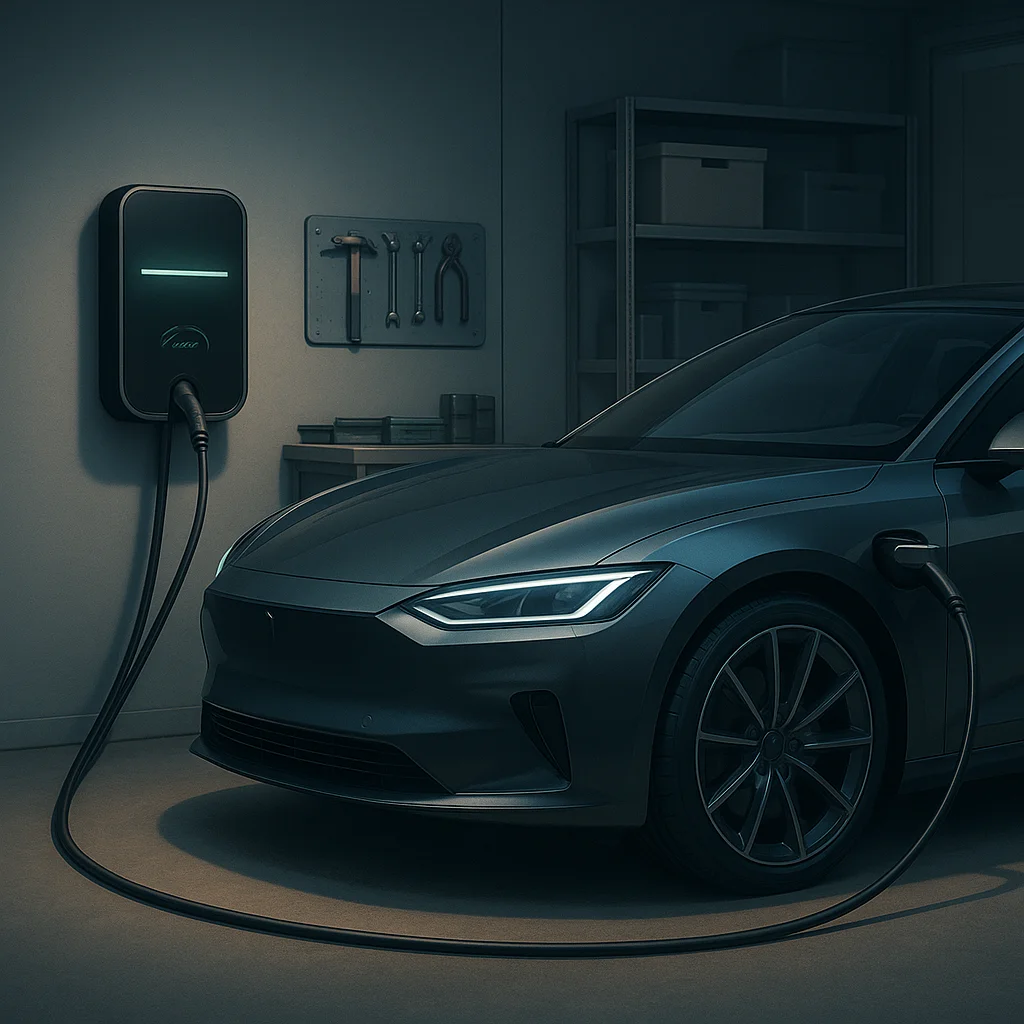
For most people, battery electric ownership starts to look realistic as soon as home charging becomes possible. Even a modest overnight charging setup can cover the daily needs of many commuters. Public charging is still important, especially for apartment dwellers and road-trippers, but home charging changes the ownership experience dramatically.
Hydrogen is different. You cannot refuel an FCEV at home. That means your decision depends heavily on public station access from day one. If there are only one or two stations in your region, and either of them is far away or has a history of outages, that is not a minor inconvenience. It is a core ownership risk.
This is why beginners should think in terms of ecosystem readiness, not just vehicle appeal. The right vehicle on paper can become the wrong vehicle in practice if the fueling or charging network does not support your lifestyle.
Understand how each technology works without overcomplicating it
Battery electric vehicles
A battery electric car stores electricity in a large battery. You plug it in, the battery charges, and the car uses that energy to drive. Regenerative braking can also recapture some energy while slowing down. The concept is straightforward, and that simplicity is part of the appeal. Fewer moving parts and a mature charging conversation have helped BEVs become the dominant zero-tailpipe-emission passenger vehicle category in many markets.
Hydrogen fuel cell vehicles
A hydrogen fuel cell car stores compressed hydrogen in tanks. Inside the fuel cell, hydrogen reacts with oxygen from the air to generate electricity. The car then uses that electricity to power the motor, with water vapor as the main tailpipe byproduct. In day-to-day driving, an FCEV feels much like an electric vehicle because it still uses an electric drivetrain. The major difference is how energy is stored and replenished.
That distinction matters because it shapes nearly every ownership factor: infrastructure, energy losses, refueling time, cost, and long-term convenience.
Who should consider a battery electric vehicle first?
Battery electric vehicles are usually the easiest starting point for most consumers, especially if any of the following describe you:
- You can install or access regular home charging.
- Your daily driving is predictable and well within the range of modern BEVs.
- You want the broadest selection of vehicle sizes, brands, and price points.
- You are comfortable planning longer trips around charging stops.
- You prefer a market with more visible momentum and support.
For new adopters, BEVs often win because the ownership routine becomes simple after the initial setup. You plug in when parked, wake up with usable range, and avoid gas stations entirely. That does not mean BEVs are frictionless. Public charging reliability, apartment access, winter range loss, and charging speed variation still matter. But the path to entry is usually clearer than it is with hydrogen.
Our article on Hydrogen Fuel Cell Vehicles vs Battery Electric: The Real EV Divide explores why this consumer convenience gap has become one of the biggest forces shaping the market.
Who should consider a hydrogen fuel cell vehicle at all?
Hydrogen fuel cell vehicles deserve consideration only after a buyer confirms that local station access is dependable. If that condition is not met, the conversation is mostly theoretical. If it is met, an FCEV may appeal to drivers who value very fast refueling and electric-drive smoothness but do not want long charging sessions during heavy usage.
Potential fit cases include:
- Drivers living in one of the limited regions with established hydrogen stations.
- People with high-mileage routines who value quick turnaround times.
- Early adopters interested in alternative fuel technology and willing to accept a smaller vehicle pool.
- Commercial or fleet contexts where centralized fueling can make more sense than consumer retail fueling.
It is also important to separate passenger-car reality from broader hydrogen potential. Several industry discussions increasingly point toward commercial transport as a more plausible near-term use case for hydrogen. For example, Just Auto reported on Toyota shifting hydrogen fuel cell focus toward commercial vehicles, reflecting a theme seen across the sector: hydrogen may find stronger footing in trucks and other heavy-duty applications than in mainstream family cars.
The first practical checklist before you shop
Before comparing specific models, build a short decision file. This sounds basic, but it prevents expensive mistakes.
1. Measure your weekly driving pattern
Track how many miles or kilometers you drive on normal weekdays, weekends, and occasional long trips. Many people overestimate how much range they need every day and underestimate how often they can conveniently charge. If your daily use is modest, a BEV may be easier than you think. If your schedule includes constant long-distance driving with little downtime, your needs may be different.
2. Audit your energy access
For BEVs, identify whether you have access to home charging, workplace charging, or dependable public chargers. For FCEVs, list every hydrogen station you could realistically use, then check whether they are active, convenient, and redundant enough to support normal life if one station is unavailable.
3. Set your budget beyond sticker price
Include purchase or lease cost, incentives if available, insurance, home charger installation if needed, maintenance expectations, and energy cost. A vehicle that seems affordable upfront can become costly if infrastructure upgrades are required or if fueling options are limited and expensive.
4. Decide how much uncertainty you can tolerate
Battery electric buyers still face charging-network questions, but hydrogen buyers often face a higher level of infrastructure uncertainty. Be honest about whether you enjoy being an early adopter or whether you want the least experimental ownership path.
Charging versus refueling: convenience is personal, but availability is objective
One reason hydrogen remains attractive in theory is refueling speed. Filling a hydrogen tank can be much faster than charging a battery, especially compared with slower AC charging. For some drivers, that sounds like an obvious advantage. But speed at the station matters only if the station exists, is nearby, and is operating reliably.
Battery electric vehicles invert that logic. Charging is often slower than refueling, but it can happen where the car already sits for hours, such as at home overnight. That means a BEV owner may spend less active time thinking about energy even though the charging process itself takes longer.
So the right beginner question is not, Which is faster? It is, Which fits my routine with the least friction? For many households, overnight charging beats a quick drive to a limited hydrogen station. For some commercial users or drivers in specific hydrogen-supported areas, the opposite may be true.
Cost of ownership: do not reduce the debate to fuel price alone
Both technologies can be misunderstood if you look only at one line item. A better approach is to compare total ownership experience.
Battery electric cost considerations
- Vehicle prices vary widely, from more affordable compact options to premium SUVs and trucks.
- Home charger installation may add upfront cost.
- Electricity rates differ by region and time of use.
- Maintenance is often simpler than with internal combustion vehicles, though tire wear and insurance can still be notable.
- Public fast charging can cost more than home charging and may affect the economics of drivers who rely on it heavily.
Hydrogen fuel cell cost considerations
- Consumer model availability is limited, which can constrain pricing and choice.
- Fueling cost depends on local hydrogen pricing and station economics.
- Infrastructure scarcity can introduce indirect costs such as detours and time loss.
- Lease structures may sometimes be more attractive than purchase structures, depending on market support.
- Long-term resale and market confidence can be harder to predict in a niche segment.
For beginners, the key point is that BEVs usually offer more ways to optimize ownership cost because buyers have more model choices and more charging strategies. Hydrogen ownership can work, but its economics are often more dependent on local policy, local station support, and limited model supply.
Range anxiety versus station anxiety
Battery electric conversations often focus on range anxiety, but that phrase can oversimplify the issue. In practice, many experienced BEV owners shift from worrying about range to managing charging habits. Once they know their routes and charging options, the concern becomes more predictable.
Hydrogen drivers may face a different emotional burden: station anxiety. If there are few stations, every outage, queue, maintenance event, or route change matters more. This does not affect every region equally, but for a beginner, infrastructure redundancy matters almost as much as infrastructure existence.
That is why a simple map screenshot is not enough. You need to know whether the network is resilient. One station nearby is not the same thing as a robust local fueling ecosystem.
Vehicle choice and market maturity
Battery electric buyers benefit from a much larger and more diverse market. There are city cars, crossovers, sedans, pickups, luxury models, and performance options, depending on region. That breadth matters because getting started is easier when you can choose the vehicle type you actually need instead of bending your needs around a tiny product list.
Hydrogen passenger vehicles remain limited in comparison. If the available body style, price, or lease structure does not fit your life, there may be no realistic alternative nearby. That narrow selection is one of the most overlooked barriers for first-time buyers.
For readers who want a model-oriented snapshot of the hydrogen side, Car and Driver's overview of hydrogen fuel-cell vehicles offers a useful editorial reference point. It also indirectly highlights the core issue: the field is much smaller than the battery electric market.
Environmental questions beginners should ask carefully
Many buyers arrive at this comparison because they want a lower-emission transportation choice. That is a good starting point, but it is important to avoid simplistic assumptions.
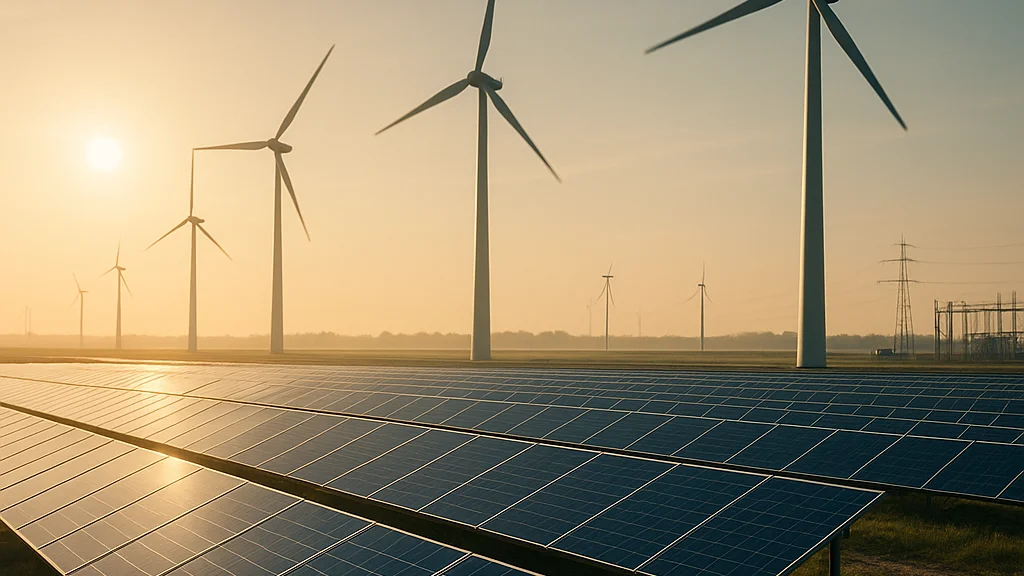
Battery electric vehicles produce no tailpipe emissions, but their overall environmental profile depends partly on how the electricity used to charge them is generated and how batteries are produced and recycled. Hydrogen fuel cell vehicles also produce no conventional tailpipe pollutants in the usual sense and emit water vapor at the point of use, but hydrogen itself can be produced in different ways with very different upstream emissions profiles.
That means neither category should be judged only by what comes out of the tailpipe. Beginners should ask where the energy comes from, how efficiently it is delivered to the wheels, and how infrastructure is evolving in their region.
In broad consumer terms, battery electric vehicles currently benefit from a more developed deployment path in many passenger markets. Hydrogen remains part of the decarbonization conversation, but often with stronger arguments in certain industrial, freight, or fleet settings than in ordinary private-car ownership.
Why so much hydrogen discussion now if consumer adoption is still limited?
Because hydrogen is not only a passenger-car story. It is also an industrial strategy story, an energy storage story, and a commercial transport story. That is why headlines about hydrogen can create confusion for car shoppers. You may read about major investments or partnerships and assume that a broad consumer FCEV wave is imminent. In reality, some of that momentum may be aimed at trucks, logistics, or other non-passenger applications.
For example, New Atlas covered Toyota's ongoing hydrogen efforts alongside commercial vehicle developments, reinforcing the point that hydrogen's strongest near-term role may be outside the average household driveway.
This is not a reason to dismiss hydrogen. It is a reason to be precise. A technology can be promising in one transport segment and still be difficult for a mainstream private buyer today.
How to test-drive the decision, not just the car
When people shop for vehicles, they often focus on the driving feel. That still matters, but with alternative fuel vehicles you should also test-drive the ownership pattern.
For battery electric shoppers
- Borrow or rent a BEV if possible for several days.
- Charge it where you would actually charge in normal life.
- Try one longer trip using the charging apps and stations you would rely on.
- See whether your household parking and schedule make charging easy or annoying.
For hydrogen shoppers
- Visit the local hydrogen station before you commit.
- Check how far it is from home and whether there is a backup station.
- Research station reliability through official operator information where available.
- Test whether the fueling routine fits your weekly routes without detours that will frustrate you over time.
This kind of trial reveals more than brochure specs ever will. A vehicle can be technologically impressive and still be operationally inconvenient for your exact lifestyle.
Leasing may make more sense than buying for some beginners
If you are curious about either technology but uncertain about long-term infrastructure, leasing can reduce risk. This is especially relevant for hydrogen fuel cell vehicles, where the market is smaller and future resale conditions may be less predictable. Leasing can also make sense for battery electric buyers who expect rapid improvements in charging speed, software, or battery performance and want flexibility.
That said, the right lease depends on local offers, mileage limits, support packages, and fuel or charging benefits. Read the fine print carefully. A short-term solution is only smart if the contract matches your actual use.
Questions apartment dwellers and urban drivers should ask
Not everyone has a garage or driveway. For apartment residents, the BEV versus hydrogen question can become more nuanced.
If you cannot charge at home, a BEV may still work if your building offers charging, your workplace offers charging, or your city has reliable public charging near places you already spend time. If none of those are true, daily BEV life can become inconvenient. In that case, some people are tempted by hydrogen because refueling is centralized and quick. But again, that only works if stations are actually available and practical.
Urban drivers should also think about parking patterns. If your car sits on the street and moving it to charge is a recurring burden, your tolerance for that routine matters. Convenience is not just about technology. It is about how often your energy routine interrupts your life.
Road trips: compare planning burden, not just range numbers
Long-distance travel is where many beginners make an emotional decision. Battery electric road trips require planning around charger locations, charging speeds, weather, traffic, and station availability. The experience has improved in many places, but it still demands more planning than conventional fueling for some routes.
Hydrogen road trips can look easier on paper because refueling is faster, but a sparse station network can make route planning even more restrictive. A fast refuel at the wrong distance apart is not necessarily more convenient than slower charging at more frequent locations.
So if road trips matter, map your actual common routes. Do not rely on generic claims. The answer may differ dramatically depending on region.
What the market signals suggest in 2026
Without overstating certainty, the consumer market signals remain clearer for battery electric vehicles than for hydrogen passenger cars. BEVs generally have wider manufacturer participation, broader charging investment, and greater product variety. Hydrogen remains relevant, but often with more concentrated momentum in heavy transport and industrial use cases.
Readers interested in the broader direction of the segment can compare our Hydrogen Fuel Cell Vehicles vs Battery Electric: A 2026 Comparative Analysis with our 2026 Trends in Hydrogen Fuel Cell Vehicles vs Battery Electric Cars. Taken together, they show why many analysts and consumers continue to view BEVs as the more accessible starting point for personal transportation, even while hydrogen remains strategically important in adjacent sectors.
A beginner-friendly decision framework
If you want the shortest honest answer to how to get started, use this framework.
Choose battery electric first if:
- You have home or dependable routine charging.
- You want the most vehicle choices.
- You prefer the lower-risk mainstream path for private ownership.
- You can adapt to charging-based trip planning.
- You want a technology with broader consumer adoption momentum.
Consider hydrogen fuel cell only if:
- You live in a region with dependable hydrogen station coverage.
- You understand the limited model selection.
- You strongly value quick refueling.
- You are comfortable with a niche ownership experience.
- Your specific routes and local infrastructure make it truly practical.
For most first-time buyers, this framework will point toward battery electric. That does not make hydrogen irrelevant. It simply reflects the current reality that consumer readiness depends more on infrastructure and market availability than on theoretical advantages.
Final thoughts
Getting started with hydrogen fuel cell vehicles versus battery electric vehicles is less about choosing the most futuristic idea and more about choosing the system that works every day with the fewest compromises. Battery electric vehicles are usually the easier entry point because charging can often be integrated into daily life and because the market offers more choice. Hydrogen fuel cell vehicles remain intriguing and may be highly relevant in certain regions or commercial settings, but they require a much more careful infrastructure check before a private buyer should proceed.
If you are still undecided, start by auditing your access: where you would charge, where you would refuel, how far you drive, and how much uncertainty you can tolerate. Then test the routine, not just the vehicle. That approach will tell you more than any headline, hype cycle, or spec-sheet comparison.
In 2026, the smartest beginner move is not to ask which technology sounds better. It is to ask which one you can realistically live with, week after week, without friction. For most consumers, that answer will still be battery electric. For a smaller group with the right local conditions, hydrogen may be worth exploring. The key is to begin with reality, not aspiration.


























Sign in to leave a comment.