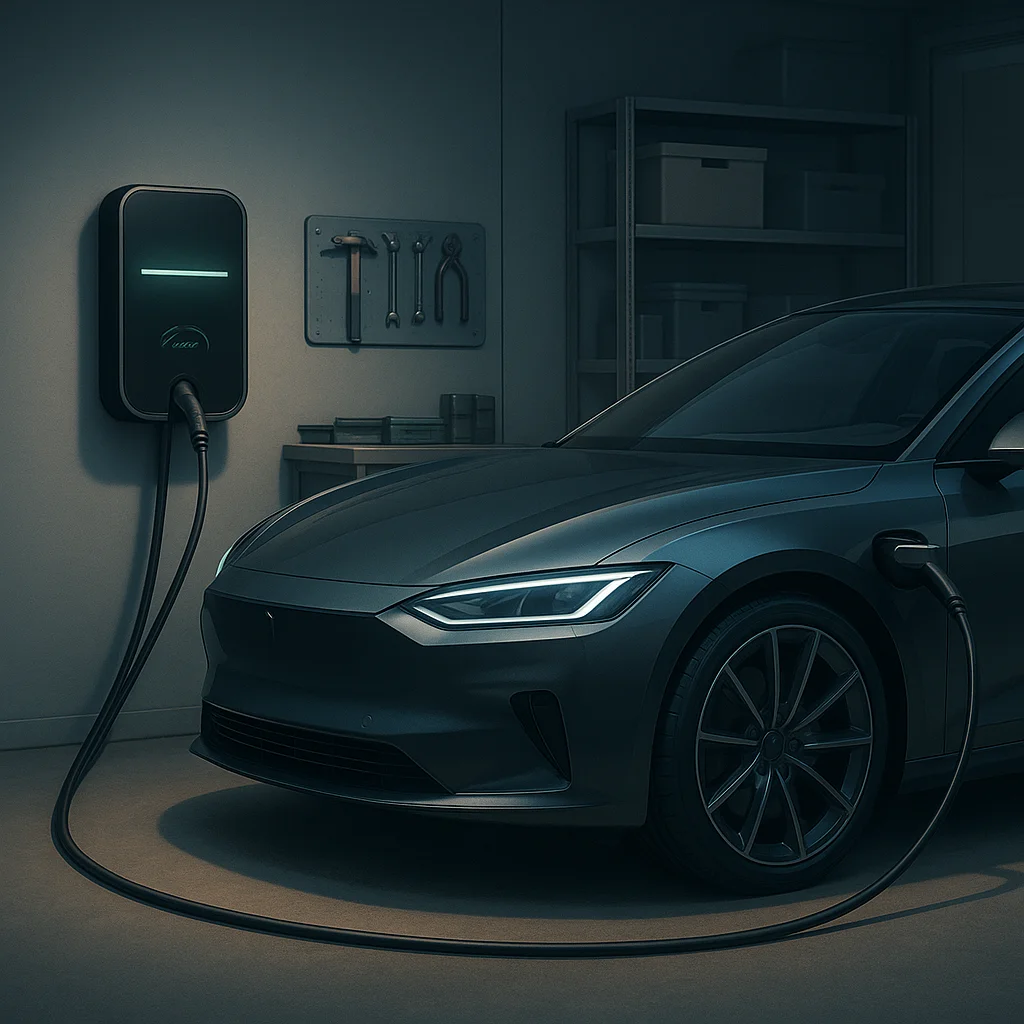

Charging at Home: The Quiet Revolution Unfolding in Driveways
Imagine pulling into your driveway after a long day, the familiar hum of your electric vehicle (EV) gently fading as you plug it into your very own home charging station. It’s a scene becoming increasingly common, yet the intricacies behind that simple act of plugging in remain a mystery to many. According to recent data from the International Energy Agency, global EV stock surpassed 20 million in 2025, with a significant majority of owners relying on home charging. But what does it actually take to install a home EV charging station? And how has this process evolved in the past few years?
The rise of EVs demands a shift not only in how we drive but also in how we power our vehicles. Unlike filling up at a gas station, home charging requires infrastructure that blends electrical know-how with practical considerations—space, safety, cost, and future-proofing. This guide will explore the full spectrum of what you need to know, from electrical requirements and installation options to current technologies and emerging trends in 2026.
“Installing a home EV charging station is not just about convenience; it’s a critical step in adopting sustainable transportation,” explains Dr. Helena Cortez, a renewable energy expert at the Clean Mobility Institute.
Tracing the Roots: How Home EV Charging Became Key to Clean Mobility
Electric vehicles have a history stretching back over a century, but only recently have they surged into mainstream adoption. The early 2010s saw EVs primarily charged at public stations due to limited battery ranges and less reliable infrastructure. However, as battery technology improved and ranges extended beyond 300 miles, the need for convenient, reliable home charging became evident.
Initially, many EV owners used standard household outlets, often called Level 1 charging. This method, while accessible, is slow—adding about 3 to 5 miles of range per hour. As EV adoption grew, so did demand for faster, safer, and more efficient charging solutions. This gave rise to Level 2 chargers, which require a dedicated 240-volt circuit, similar to what powers large appliances like dryers.
Governments worldwide began to recognize the importance of home charging infrastructure. Incentives and rebates emerged, accelerating market growth. In the US, the Inflation Reduction Act expanded credits for home charger installations. Meanwhile, automakers increasingly bundled home charging options with EV purchases to smooth the transition for consumers.
Today, the home charging station is not just a luxury but a necessity for many EV drivers. It reflects a broader shift in energy consumption patterns, moving from fossil fuels to electricity generated increasingly from renewable sources.
Understanding Your Options: Types and Technical Considerations for Home EV Chargers
When contemplating installation, the first question is: what kind of charger suits your needs? Home EV chargers generally fall into three categories:
- Level 1 Chargers: Use a standard 120V outlet; slowest charging speed; typically included with the EV purchase.
- Level 2 Chargers: Require a 240V outlet; significantly faster (up to 25 miles of range per hour); most popular choice for home installations.
- Smart Chargers: Advanced Level 2 chargers with Wi-Fi connectivity, scheduling, and energy management features.
Choosing the right charger depends on several factors:
- Electrical Panel Capacity: Your home's main electrical panel must have sufficient capacity to handle the charger’s load. Older homes may need panel upgrades.
- Circuit Breaker Requirements: Chargers demand dedicated circuits with proper amperage ratings, often between 30A and 60A.
- Charger Power Output: Measured in kilowatts (kW), higher output means faster charging but requires more robust electrical infrastructure.
- Charger Location: Placement affects installation costs and convenience; outdoor-rated chargers are often necessary in many regions.
For instance, a 7.2 kW Level 2 charger might add around 30 miles of range per hour, adequate for overnight charging in most daily-use cases. However, if you have multiple EVs or a larger battery capacity, opting for a 11 kW or higher charger could future-proof your setup.
“Smart chargers allow users to optimize charging times according to electricity rates and grid demand, offering both cost savings and environmental benefits,” notes Elif Kaya, an electrical engineer specializing in EV infrastructure.
Installation Process: What to Expect and How to Prepare
Installing a home EV charging station is a multi-step process that requires coordination between you, a certified electrician, and sometimes your utility provider. Here’s a typical installation journey:
- Site Assessment: An electrician inspects your electrical panel, outlet options, and the proposed charger location to determine feasibility and costs.
- Permitting: Local authorities often require permits to ensure installations meet safety codes and standards.
- Electrical Upgrades: If your panel lacks capacity, upgrades such as a sub-panel or main panel replacement may be necessary.
- Charger Installation: The electrician mounts the charging unit, installs wiring, circuit breakers, and tests the system.
- Inspection and Approval: A final inspection by municipal officials confirms compliance before use.
Costs vary widely based on complexity, location, and charger type. According to HonestJohn.co.uk, typical installation ranges from $500 to $2,500 in the US, with panel upgrades pushing costs higher. Some regions offer incentives or rebates to offset expenses, so checking local programs is crucial.
Potential pitfalls include improper wiring, inadequate circuit protection, or unsuitable charger placement. Yahoo’s guide on common mistakes highlights errors like neglecting to consider cable length, ignoring weatherproofing needs, or skipping professional installation, all of which can compromise safety and performance.
Technological Advances and 2026 Trends Shaping Home EV Charging
The home EV charging landscape is rapidly evolving, propelled by technological innovation and policy support. In 2026, a few key developments stand out:
- Bidirectional Charging: Vehicle-to-Home (V2H) and Vehicle-to-Grid (V2G) technologies enable EVs to supply power back to homes or the grid during peak demand, enhancing energy resilience.
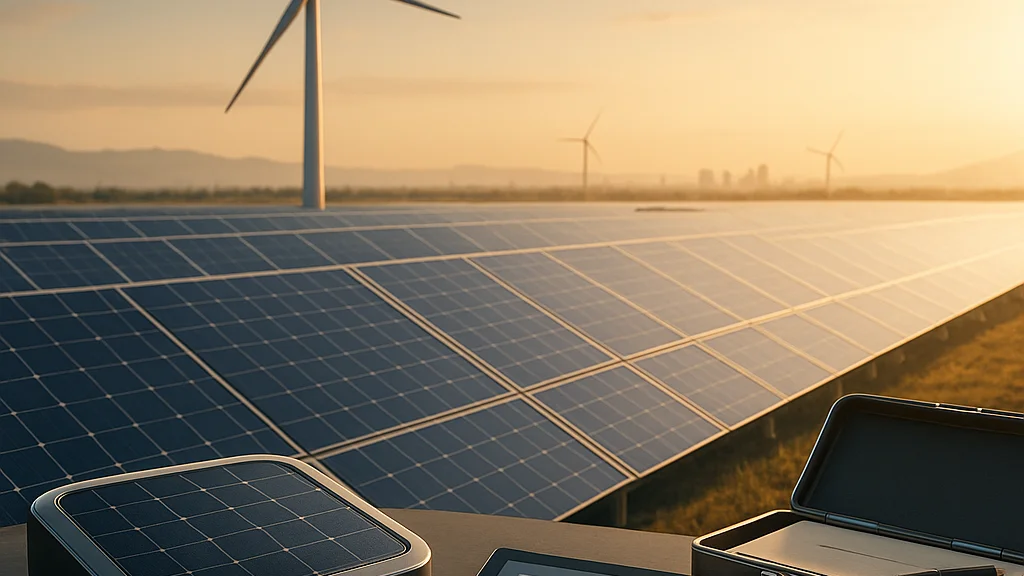
- Integrated Energy Management Systems: Chargers increasingly sync with home solar panels, battery storage, and smart meters to optimize energy use and reduce costs.
- Universal Compatibility Efforts: Industry movements aim to standardize connectors and communication protocols, making chargers more versatile across EV brands.
- Faster Home Chargers: High-power chargers supporting up to 22 kW or more are becoming more affordable, shortening charging times significantly.
Automakers and charger manufacturers continue to collaborate, improving user interfaces, mobile app controls, and remote diagnostics. Services like scheduled charging during off-peak hours help users save money and reduce grid stress.
“The integration of smart home technologies with EV charging is creating a seamless experience that benefits consumers and the environment alike,” says Dr. Mark Liu, chief technology officer at GreenCharge Innovations.
Looking Ahead: What Should Homeowners Consider for Future-Proof EV Charging?
As EV adoption accelerates, homeowners face choices that balance current needs with future possibilities. Some considerations to keep in mind:
- Plan for Growth: If you anticipate adding more EVs or upgrading to models with larger batteries, consider installing higher-capacity chargers or electrical panels now.
- Explore Smart Features: Energy management, remote control, and integration with renewable energy sources will become standard expectations.
- Stay Informed about Incentives: Government programs offering tax credits or rebates evolve frequently; staying up-to-date can reduce costs considerably.
- Prioritize Safety and Professional Installation: DIY approaches may seem tempting but carry risks; certified electricians ensure compliance and reliability.
For detailed step-by-step guidance, the article Complete Guide to Home EV Charging Station Installation breaks down the process in accessible terms. Meanwhile, for a broader perspective on where home charging is headed, see The Future of Home EV Charging Station Installation: A Deep Dive.
Ultimately, installing a home EV charging station shifts control into your hands, letting you power your journeys sustainably and conveniently. Perhaps the biggest question is — how will your home adapt to this new electric reality?
“Investing in home EV charging infrastructure is investing in a cleaner, smarter future,” concludes Dr. Cortez. “It’s a small step with profound ripple effects.”
























Sign in to leave a comment.