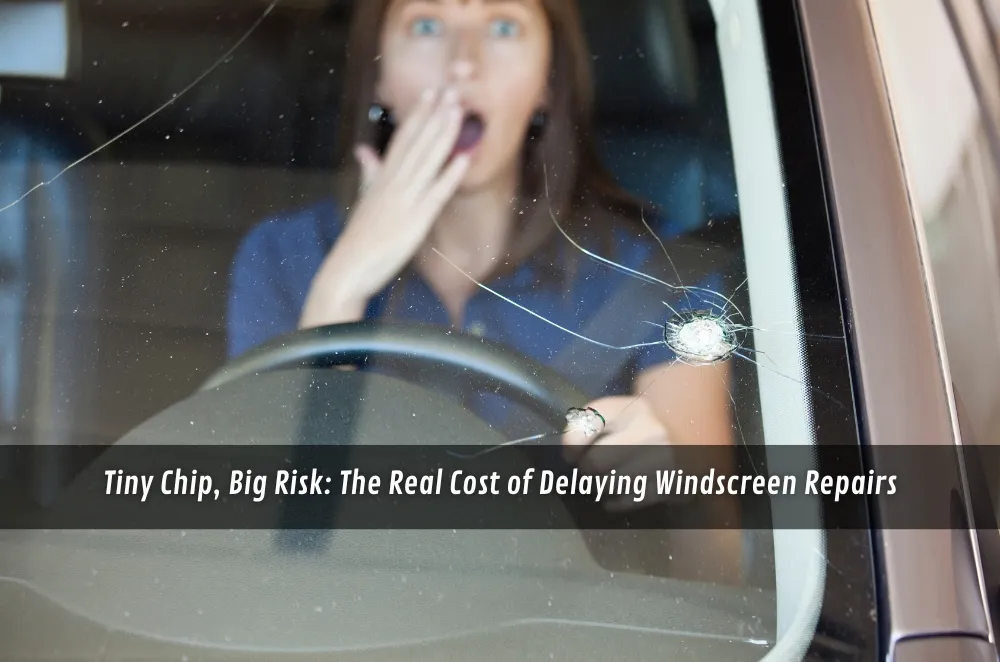

Sydney traffic is relentless. One rogue pebble flicked up on the M4 or Parramatta Road can leave a pin-sized chip in your windscreen. It might look harmless today, yet by next week that dot can bloom into a crack that compromises the entire glass panel—along with your wallet and your safety.
How Minor Damage Turns Major Fast
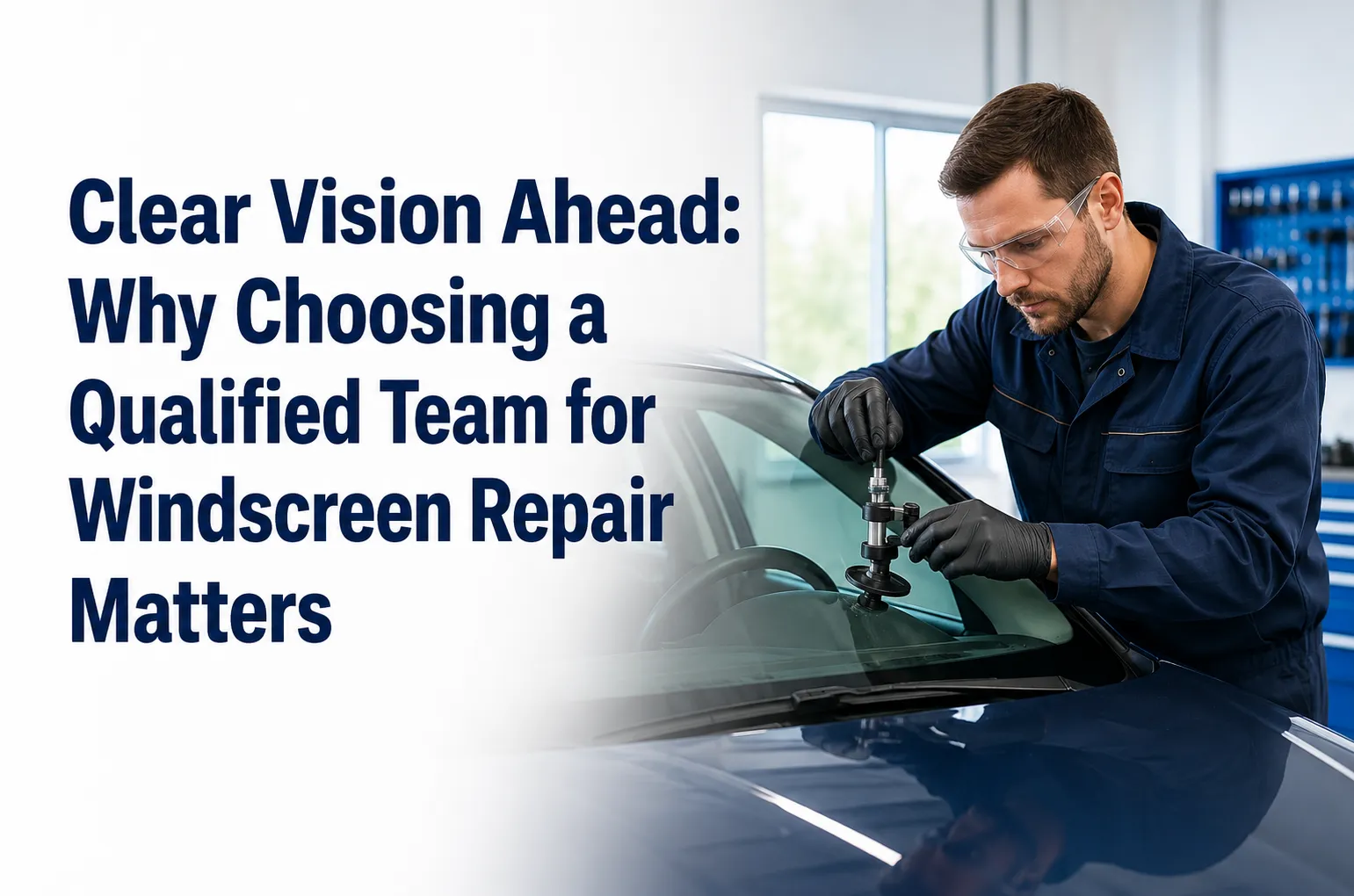
A windscreen endures constant vibration, drastic temperature swings, and chassis flex. That combination makes even a small imperfection unstable. Morning cold followed by a hot westerly afternoon expands the glass unevenly. Add a few potholes or speed humps and the crack can spiderweb across your field of vision. Before long, the entire pane requires full trusted windscreen replacement experts attention rather than a quick resin fill.
Crucially, NSW Police can issue defect notices for cracks within the driver’s sweep area. So a delay rarely saves money—once the crack passes a certain length, replacement is mandatory and you may cop a fine on top of the glass cost.
Why Sydney Roads Accelerate Damage
Sydney’s climate isn’t gentle on automotive glass. Sudden summer storms bring hail; winter mornings drop below ten degrees then climb rapidly. Beyond weather, roadworks across WestConnex and light-rail corridors leave loose aggregate on high-speed lanes. That debris acts like a slingshot against your screen. The city’s hilly terrain also forces a vehicle body to twist slightly on gradients, adding more stress to compromised glass.
Parking habits matter too. A car left nose-in on a kerb with one wheel higher than the other twists the chassis overnight. That uneven load can extend a crack you thought was stable yesterday.
Repair or Replace? Knowing the Threshold
Glass technicians use rough size and position rules:
- Chips under 3 mm outside the driver’s direct view often qualify for spot repair.
- Anything larger, layered, or within the wiper arc generally needs full replacement.
- Star cracks and bullseyes can sometimes be saved early; combination cracks rarely last.
A professional inspection gives the definitive call. Attempting DIY resin kits on critical areas can leave optical distortion and weaken lamination.
Safety First, But Savings Follow
Most comprehensive insurance policies cover windscreen replacement with minimal excess or a once-per-year free claim. Even without insurance, swapping a damaged screen early avoids collateral costs such as:
- Interior water leaks during heavy rain if the crack reaches the seal
- Airbag deployment failure—the windscreen supports passenger-side bags
- Reduced structural rigidity in a rollover
- Compulsory re-inspection fees if your rego check fails due to a visible crack
In many cases, what drivers perceive as “putting it off to save money” becomes the pricier route once fines, tow fees, and re-testing stack on top.
Mobile Technicians Keep You Moving
Sydney’s spread-out suburbs and peak-hour gridlock make workshop drop-offs frustrating. Reputable mobile glaziers bring calibrated equipment to your driveway or office car park, replacing laminated and heated windscreens in around an hour. That convenience lowers downtime and means you’re not driving a compromised vehicle across half the city for service.
Choosing Quality Glass and Fitting
Original Equipment Manufacturer (OEM) glass or Australian-compliant equivalents meet ADR 8/01 impact and optical clarity standards. The adhesive matters just as much: high-modulus urethane maintains bond strength during chassis flex. Qualified installers follow safe-drive-away times—usually 30–60 minutes—before you can hit motorway speeds again.
Cheap aftermarket glass can distort lane markings under LED headlights, leading to eye strain on night drives. It may also lack embedded rain-sensor brackets, forcing you to downgrade features your car already has.
Common Myths That Delay Action
Myth: “It’s only cosmetic.”
Reality: The windscreen is integral to the car’s roof-crush resistance and airbag timing.
Myth: “Repairs never look right.”
Reality: Modern resin cures clear when done early. Optical scarring mainly occurs once dirt and moisture sit in the chip.
Myth: “Replacement means my insurance premium jumps.”
Reality: Windscreen claims rarely influence rating factors the way collision claims do. Always confirm with your insurer, but most treat it separately.
When Professional Help Becomes Non-Negotiable
If you notice discolouration around the edges, hear creaking on speed bumps, or see moisture between glass layers, call a qualified technician. These signs indicate bond failure rather than a simple surface blemish.
FAQs
Can I keep driving with a small crack if it’s not in my line of sight?
You can, but temperature and vibration often spread the damage unpredictably. A crack outside your view today can migrate inward quickly. Early assessment is safer and usually cheaper.
How long after replacement before I can wash my car?
Wait at least 24 hours. High-pressure jets aimed at the seals can compromise fresh urethane before it fully cures.
Will a replacement affect my vehicle’s calibration systems?
Many late-model cars have cameras and sensors mounted to the windscreen. Reputable installers recalibrate lane-keep and emergency-brake assist modules with factory software before handing the vehicle back.
Is aftermarket glass legal in NSW?
Yes—provided it meets Australian Design Rule compliance and carries the correct AS/NZS markings. Always ask for proof rather than assuming all glass is equal.


























Sign in to leave a comment.