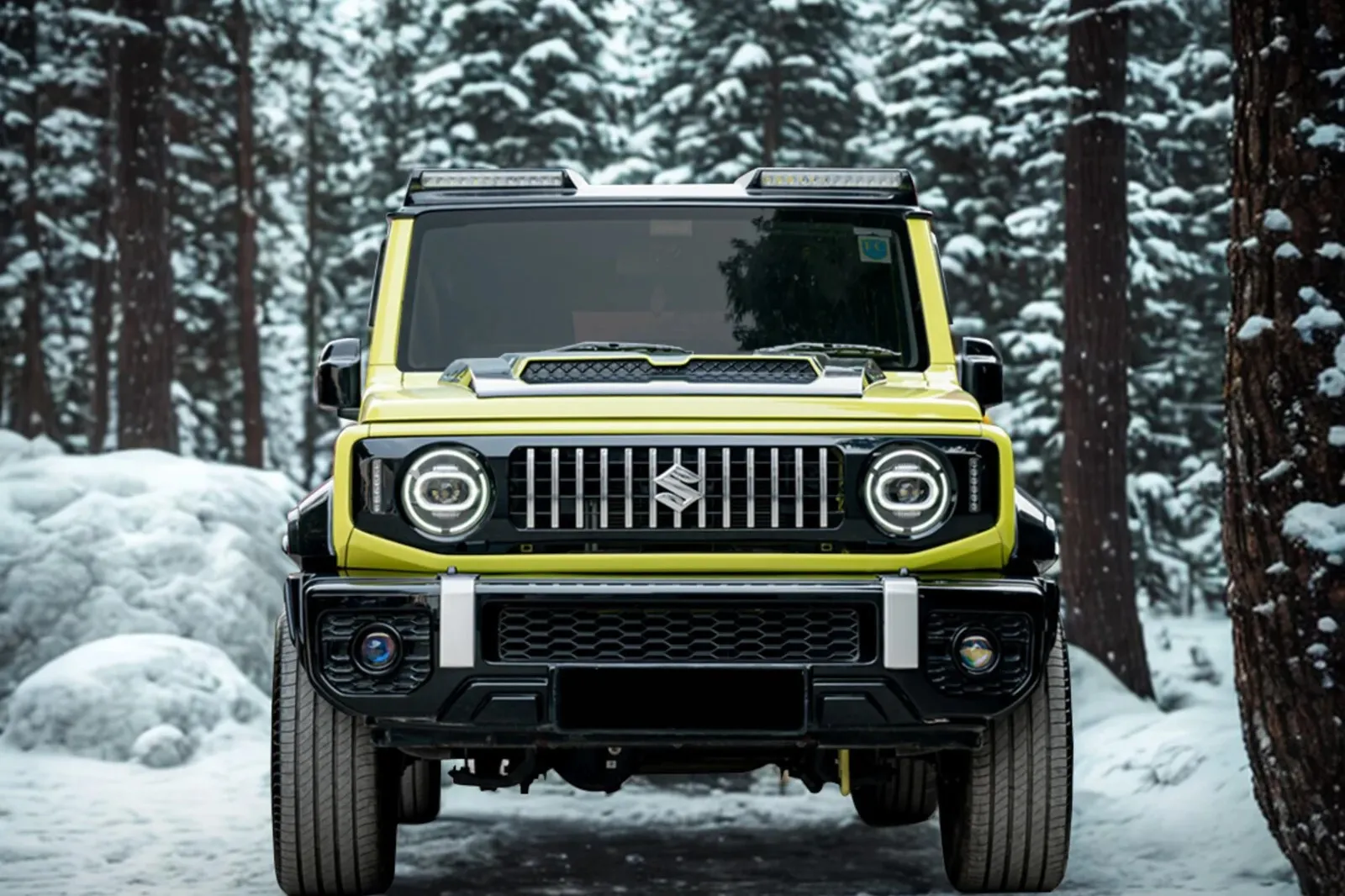

Stand around at any owners' gathering long enough and you'll start noticing it — barely two Jimnys look the same. One's decked out for actual trail use, snorkel, reinforced bumper, the lot. Right beside it, another owner's kept things simple, just a sticker on the windshield and a couple of interior tweaks, nothing more. That's not random at all. It's just what happens when a car earns a real fanbase and an aftermarket scene builds up around it in a hurry — which is more or less the story of jimny accessories since Maruti Suzuki brought the JB74 into India.
The Jimny occupies an odd little corner of the market here. It's compact, it can genuinely handle rough terrain, and it's priced to attract a very specific type of buyer — someone chasing a real 4x4 feel without stepping up to something much bigger and pricier. That kind of buyer usually enjoys getting hands dirty too. They're reading threads, comparing notes, and putting in real effort to find suzuki jimny accessories that actually match how they use the car, not just how it photographs on a dealer's shelf.
The Factory Version Leaves a Lot Unfinished
If you dig into it, most of this customisation habit traces back to the car itself. Maruti Suzuki, like practically every manufacturer building to a price point, kept the base Jimny stripped down. Reasonable enough from a cost standpoint, but it leaves gaps. Cabin storage is basically an afterthought. The factory bumper handles regular commuting fine but wasn't engineered for anything close to a serious trail hit. Headlights work well enough around town, then fall short the moment you're on a poorly lit stretch outside city limits.
None of that's a Jimny-only problem — most vehicles in this class ship this way to keep prices down. What stands out is how owners have responded. Because the car's built such a loyal, vocal community and carries such a clear off-road identity, its aftermarket has expanded far quicker than you'd expect from something that's still, in raw sales terms, a fairly small player in India.
What Gets Bought First (and Why)
Ask enough owners across enough cities and a clear pattern emerges, even when the finished builds don't resemble each other at all.
Interior upgrades tend to lead the pack — dashboard organisers, phone mounts, a decent cup holder solution. These fix the most immediate irritation: a cabin that simply wasn't designed with much storage. They're inexpensive, install with basic tools, and the benefit shows up on every drive. That's likely why they're where most new owners begin.
Lighting usually follows close behind, particularly for anyone regularly driving beyond city roads. Stock headlights are tuned for average conditions, and owners who spend time on hill routes or dim highways tend to say LED fog lamp upgrades genuinely improve what they can see at night — not just how the car looks parked outside.
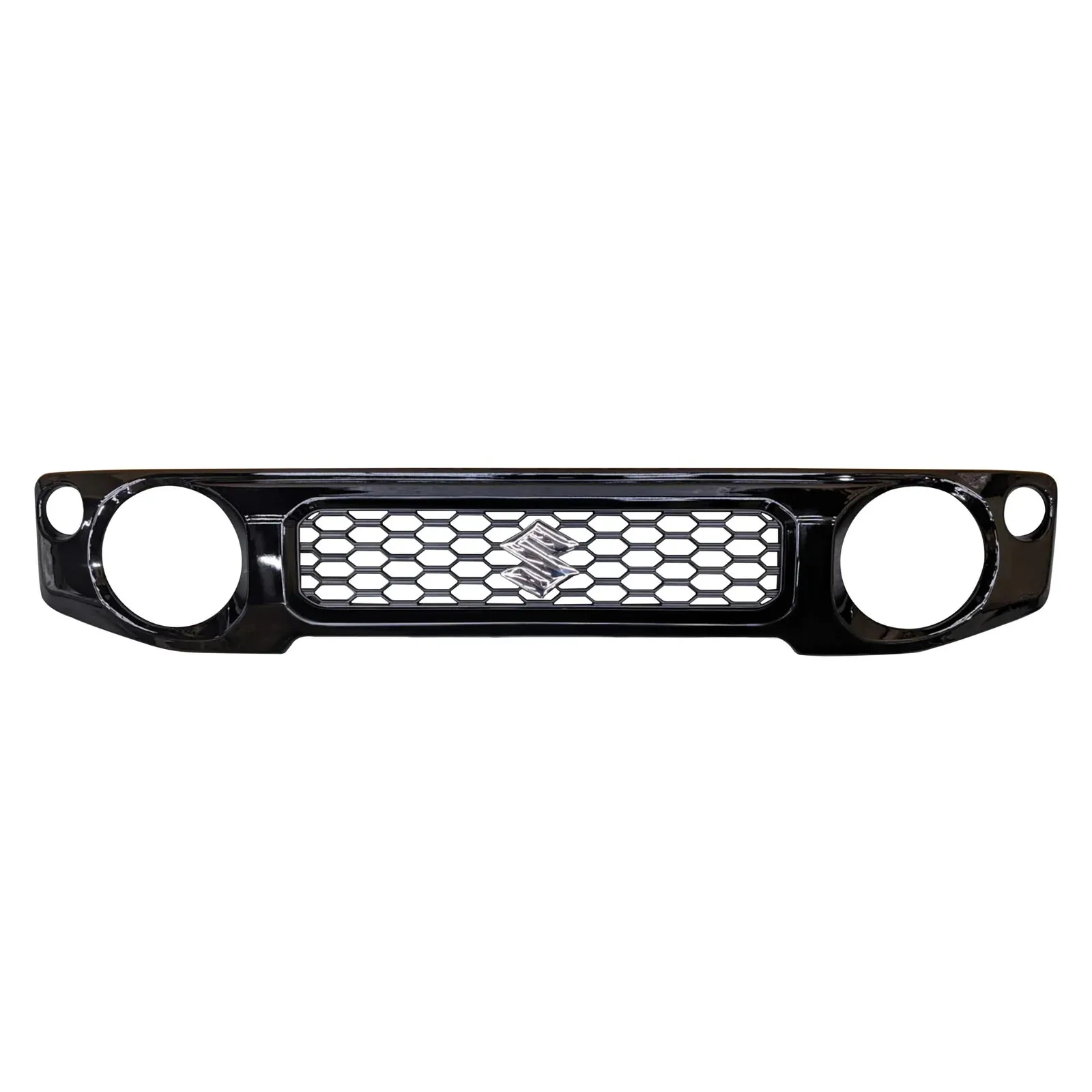
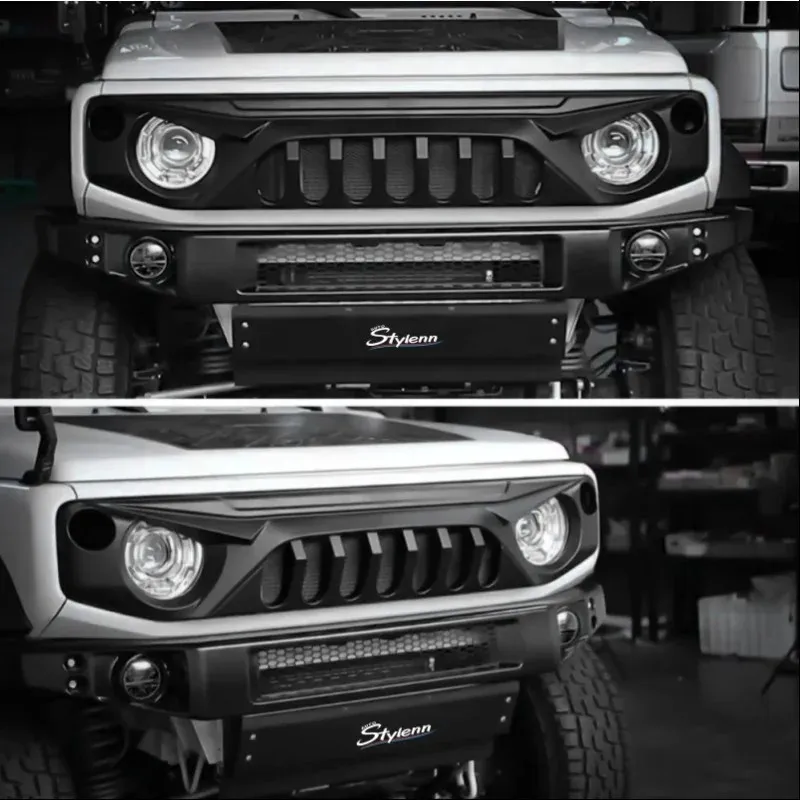
Then comes exterior protection, and this is where the stakes rise. Bumpers, underbody skid plates, snorkels. This tier only really matters if off-roading is a regular part of someone's routine, and pricing usually mirrors the engineering behind it. A purely cosmetic bumper and a genuinely protective one can look nearly identical in a listing photo while being built from completely different materials — which is exactly why this category deserves the most homework before buying anything. Sellers who deal with this segment often say the questions get much more technical here, less about appearance and more about what's actually holding the part together on impact.
The Fitment Trap Most New Buyers Fall Into
One thing that keeps surfacing in forums and community groups across the jimny accessories india scene is confusion between the older Jimny and the current JB74, sold in India since 2018. The two generations don't share identical body dimensions or mounting points, so parts made for one don't always transfer cleanly to the other — even when listing photos suggest otherwise. Newer owners get caught out by this constantly. It's worth double- and triple-checking generation compatibility before ordering anything structural, because returns on exterior parts get complicated fast once something's already been installed.
Where the Buying Has Actually Shifted
Something's changed in the last couple of years in how Indian Jimny owners shop for parts. We touched on this shift in more detail in an earlier piece on GuestCountry, looking at how the whole culture around building out a Jimny has evolved. Dealership catalogues stay thin — typically just two or three factory-approved options per category — which nudges buyers toward specialists who focus on jimny accessories online rather than a physical showroom. These specialists usually carry a much wider spread of materials, styles, and price points than any dealership counter could match, and recommendations from owner groups have become one of the more trusted ways people vet quality before they commit to buying.
Pricing across the category swings quite a bit. Smaller interior pieces typically start under ₹1,000. Mid-range items — dashboard trays, armrests — sit somewhere between ₹1,200 and ₹6,000. Bigger exterior components, protective bumpers, premium lighting setups, generally start around ₹10,000 and can push past ₹25,000 depending on build quality.
The Real Action Is in the Middle Tier
It's tempting to focus purely on the flashiest, fully built-out off-road rigs since they draw the most attention. But the more interesting growth is actually happening in the middle — owners who aren't chasing hardcore off-road credentials but still want a car that's genuinely comfortable and a bit safer for their day-to-day driving. That's the segment where jimny accessories are seeing the sharpest rise in demand right now: practical solutions to everyday problems, not purely aspirational gear that'll mostly sit unused.
This tilt toward buying based on actual need, rather than just chasing an image, points to a market that's growing up. Early adopters bought to make a statement. This newer wave is asking more grounded questions — does this genuinely solve something I deal with, and is it built to last?
Frequently Asked Questions
Q : How do I know if an accessory will actually fit my Jimny's generation?
A : Always check the exact model year and generation before ordering anything structural — the JB74 and older Jimny models don't share identical mounting points, so universal fit claims on some listings can be misleading.
Q : Should I get accessories fitted professionally or can I DIY it?
A : Depends entirely on the part. Interior accessories are usually fine as a weekend DIY job. Anything involving electrical work or structural mounting is worth handing to a trained mechanic — a bad install can cause more damage than the part was meant to fix.
Q : Is it better to buy accessories all at once or spread it out?
A : Most experienced owners suggest spreading it out. Drive the car stock for a bit first, figure out what you genuinely need, then buy in stages rather than loading up on everything in the first month.
Q : Do cheaper accessories compromise safety, or is it mostly cosmetic difference?
A : It varies by category. For interior bits, price mostly reflects finish and durability. For exterior protective gear especially, cheaper often does mean thinner material and weaker mounting — worth being cautious there.
Q : What should a first-time Jimny owner prioritise buying?
A : Interior organisation and lighting upgrades tend to give the most everyday value for the least cost. Exterior protection can wait until you know how often you're actually taking the car off-road.
Bottom Line
The Jimny aftermarket in India is still fairly young compared to more established SUV categories, but it's catching up quickly, driven by an owner base that's genuinely engaged and increasingly particular about what they buy. What began as a niche interest has turned into a real ecosystem — specialist sellers, community-vetted recommendations, and buyers who know exactly what problem they're solving for. If you're trying to figure out the right jimny accessories for your own Jimny, the advice from the community stays fairly consistent: buy for how you actually drive the car, not for how someone else's build looks online.























Sign in to leave a comment.