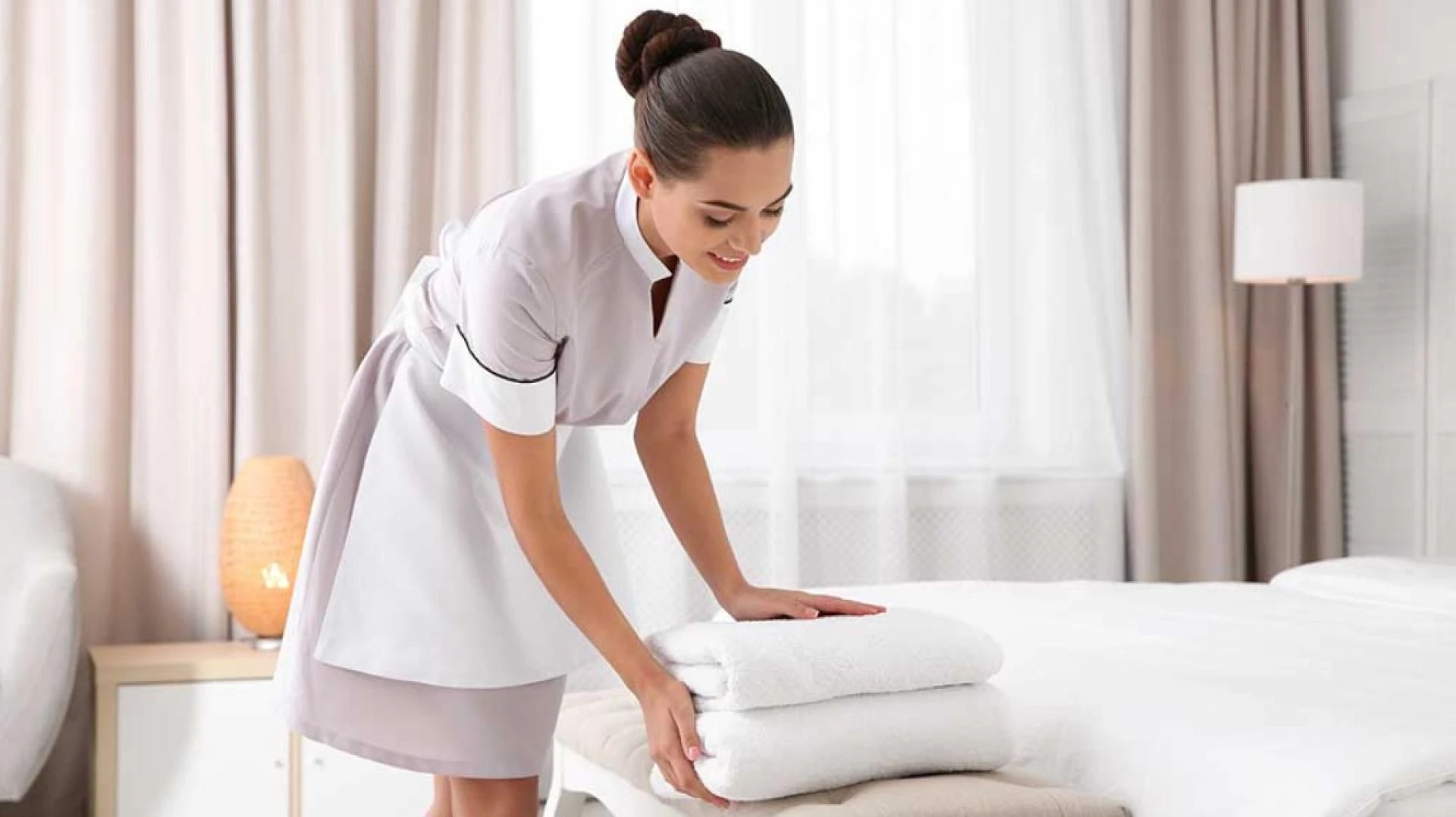

The hospitality industry is currently undergoing a massive digital transformation, moving away from static scheduling toward data-driven, agile operations. One of the most significant advancements in this space is the integration of real-time occupancy heatmaps. By utilizing IoT sensors and Wi-Fi triangulation, hotel managers can now visualize exactly which areas of a property are being utilized at any given moment. This level of insight allows for a revolutionary approach to staffing, particularly within the environmental services sector. Instead of following a rigid, pre-set cleaning schedule that may result in staff being sent to empty rooms while high-traffic lobbies remain neglected, managers can deploy resources where they are most needed.
Optimizing Resource Allocation Through Heatmap Data
Occupancy heatmaps provide a visual representation of "traffic density," highlighting zones that require immediate attention versus those that can wait. For example, if a heatmap indicates that a conference center wing has remained vacant for several hours, the cleaning crew can be diverted to the pool area or the breakfast buffet where activity is spiking. This dynamic allocation reduces "dead time" and ensures that the guest experience remains consistently high. However, technology is only a tool; it requires a human touch to interpret the data and apply it within the bounds of safety and health regulations. This is why specialized training is so vital.
Enhancing Guest Satisfaction and Staff Well-being
The implementation of dynamic staffing via heatmaps doesn't just benefit the bottom line; it significantly improves the guest experience. There is nothing more frustrating for a high-end traveler than encountering a "cleaning in progress" sign during a time they expected to use a facility. Heatmaps allow managers to predict these peaks and troughs, scheduling deep cleans during naturally low-usage periods identified by historical data. Furthermore, this technology supports staff well-being by preventing the "over-cleaning" of areas that haven't been used, thereby reducing physical strain and burnout. To manage this balance effectively, one needs a deep understanding of the human element of the service industry. Through a housekeeping course, professionals learn about ergonomic practices and team motivation, which are essential when shifting to a dynamic, ever-changing work schedule. A staff that feels their time is being used efficiently is a staff that remains engaged and takes pride in their work.
Integrating AI with Heatmap Predictive Analytics
The next step in the evolution of dynamic staffing is the integration of Artificial Intelligence with heatmap data. By analyzing months of occupancy patterns, AI can predict future staffing needs based on seasonal trends, local events, or even weather patterns. For instance, a rainy weekend might lead to 40% more traffic in the indoor spa and library areas. A predictive system can alert the housekeeping manager to increase staffing in those specific zones before the mess even accumulates. This "proactive" rather than "reactive" stance is the hallmark of a world-class facility. Developing the strategic mindset to oversee such systems is a key takeaway for those who pursue a housekeeping course. These educational programs provide the core competency in operations management, allowing leaders to focus on the "big picture" while the AI handles the granular data. The result is a property that feels perpetually fresh and welcoming, regardless of how many guests are passing through the doors.
Addressing Privacy and Ethical Considerations in Tracking
While heatmaps are incredibly useful, their implementation must be handled with a high degree of ethical responsibility. Modern heatmaps generally use "anonymous" data, such as infrared signatures or silhouette tracking, to ensure that individual guests are not being identified or recorded. Transparency is key; guests should be informed that the property uses occupancy sensors to improve service and safety. From a management perspective, the focus must always remain on "zone density" rather than "individual tracking." This ethical framework is an important part of the professional standards taught in a housekeeping course. Managers are trained to uphold the privacy and dignity of both guests and staff, ensuring that surveillance technology is used strictly for operational optimization. By maintaining these high ethical standards, hospitality brands can build trust with their clientele while simultaneously reaping the efficiency benefits of a data-driven staffing model.
The Future of the Environmental Services Industry
As we look toward the future, the role of the housekeeping department will continue to move from a "back-of-house" function to a tech-enabled, frontline pillar of property management. The ability to navigate real-time data, manage smart robotic cleaners, and lead diverse teams across fluid schedules will define the next generation of leaders in this sector. For those looking to enter or advance in this field, the journey starts with a solid educational foundation. A housekeeping course offers more than just cleaning techniques; it provides a pathway into a career that is increasingly defined by technology, logistics, and guest psychology.




























Sign in to leave a comment.