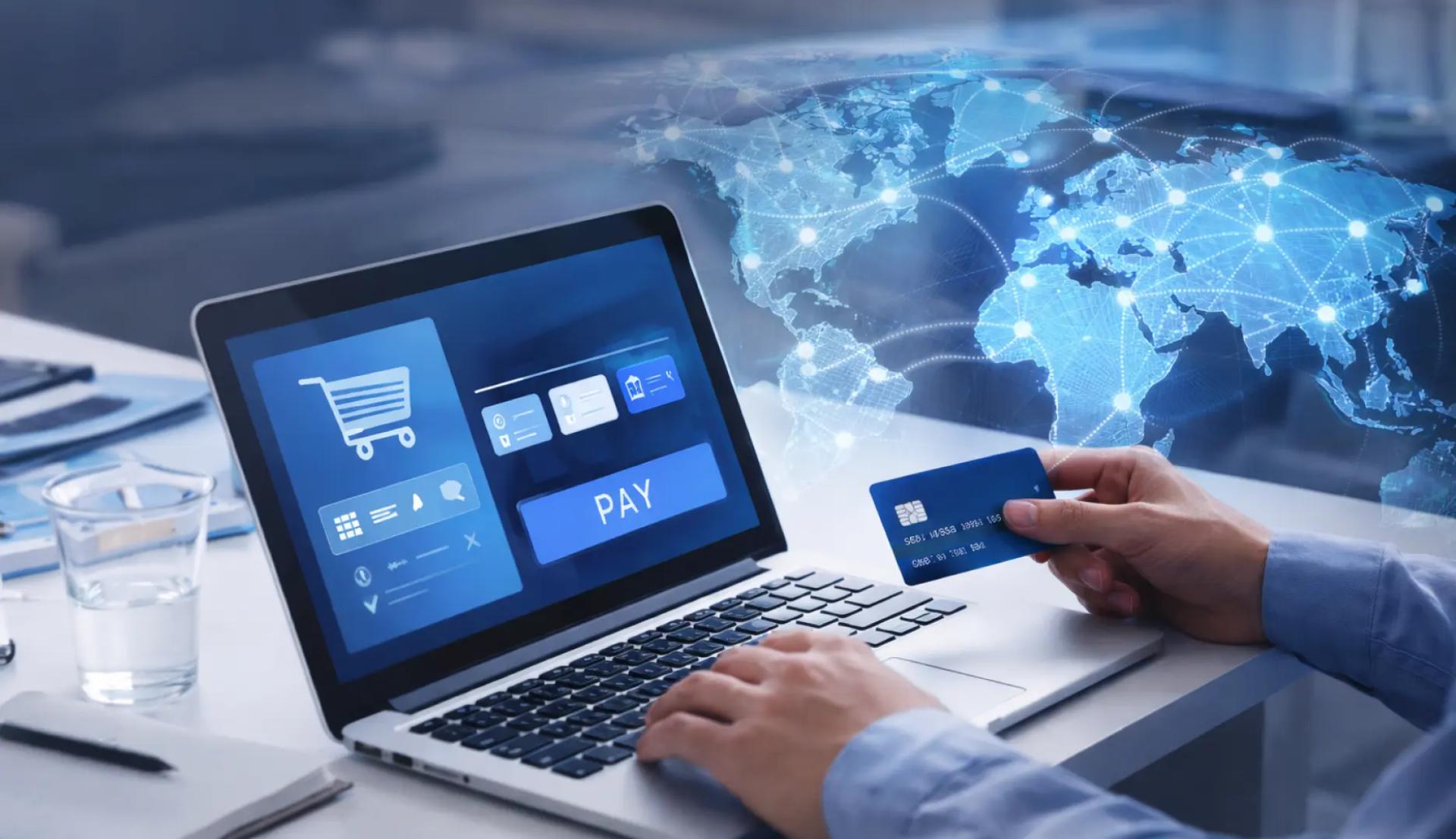
An online retailer processes an order for a product that is accurate in description and reasonably priced, after which there are no errors in shipping the order however at the checkout stage of the transaction, the buyer finds that their chosen payment option is not accepted for this sale or that the transaction could not be completed successfully. The transaction gets canceled within seconds of making it.
It explains how ecommerce payment integration reduces checkout friction, improves authorization rates, supports multi-currency processing, and enables seamless global payment expansion.
Friction in payment is one of the most problematic issues in e-commerce across the globe today. Checkout payment friction will have a dramatic negative effect on converting users as well as limiting growth internationally. Payments infrastructure providers, like Finsol, help eCommerce merchants accept payments more efficiently, improve payment authorizations, and until further notice, reduce operational problems with all international transaction processing.
What Is E-commerce Payment Integration?
Ecommerce payment integration is the process of linking a website or other online storefront with a payment system that enables buyers to consummate transactions in both a safe and efficient manner.
A complete ecommerce payment integration solution will typically consist of the following components:
- Payment gateway connection
- Support for multiple payment methods
- Support for processing in local currencies
- Fraud and risk management tools
- Settlement and payout systems
- Ongoing synchronization of orders and transactions
- A Reporting and Analytics visibility
Many basic ecommerce integrations provide only the ability to accept credit card payments, whereas modern, comprehensive integrations work to provide an optimal checkout experience for your customers while providing backend financial operations a way to scale with the company as it grows internationally.
For example, the common payment methods used by customers in Southeast Asia are to use a digital wallet or a local bank digital wallet, but in most of Europe, the majority of customers prefer to utilize regional-based payment options. So without providing localized payment solutions, there may be demand for a product that has been produced, and there will most likely not be completion of that sale.
Why Ecommerce Payment Integration Is Critical for Global Expansion
As eCommerce goes beyond borders to markets internationally, there will be increased levels of complexity within each payment transaction. Customers want to use the same payment method they normally would, have total price transparency, and receive an authorization as quickly as possible no matter what market is being transacted in.
Global eCommerce businesses face many of the same challenges with their payments. The most common challenges are:
- Payments can fail due to different authorizations in each region
- Regions have limited payment options for local customers
- Currency conversion can add friction to the checkout process
- In some counties, payments will settle later than in their local market
- Market participants will have strict compliance rules, which vary from country to country.
An effective payment solution will help businesses overcome these challenges, provide a localized checkout experience, and offer a centralized way to manage all transactions.
For most eCommerce brands, creating payment efficiencies will create faster revenue than generating more traffic to their site or store, since fewer customers will drop off at the very end of checking out.
How Ecommerce Payment Integration Improves Checkout Conversion Rates
Payment integration directly impacts how many customers convert from carts at the time of checking out. If the payment method takes too much time, too much hassle, or is not reliable, the customer will drop off before the transaction is complete.
Common reasons are:
- No Preferred Payment Options Are Offered
- Many Transactions End up Failing
- Long Checkouts With Multiple Steps
- Prices Are Unclear Regarding The Currency
An optimized payment integration improves conversion in several ways.
Supporting many Payments
When consumers are purchasing something with a payment method that they already use regularly, they usually feel good about that. Allowing them to pay with their credit card or using some sort of digital wallet, as well as allowing them to pay in their own Currency and through their own local PSUs means that consumers will be more likely to complete their transaction or continue with their order.
Decreasing Payment Failure
Payment routing that is optimized creates an obviously improved authorization success rate for payment transactions because your transactions will flow through the most reliable payment channels.
Allowing Faster Checkout
Tokenization of payments and streamlining of workflows enable repeat customers to complete their payments quickly and in fewer steps.
Building Consumer Confidence
Providing your customers with secure and seamless transactions will establish stronger consumer confidence during the highest critical phase of the buying cycle.
Increasing the Payment Success Rate(s) will increase the overall revenue of your business without increasing the amount of money spent on marketing.
Ecommerce Checkout Experience: Before vs After Optimization
Without Optimized Payment Integration
- Limited Payment Options
- Currency Conversion is Displayed Late in the Purchase Process
- High Decline Rates
- Slower Checkout Completion Speed
With Optimized Payment Integration
- Include Local and International Payment Methods
- Display Pricing in Local Currency Upfront
- Higher Authorisation Success Rates
- Faster and Smoother Checkout Process
The above-mentioned points will now differentiate whether a user will complete their purchase or abandon it.
Key Components of a Scalable Ecommerce Payment Integration
Long-term global expansion plans require a business to assess the scope of its payment system capabilities beyond just how to accept payment.
Single Payment API
Ease of development and ease of expansion worldwide can be achieved by using as many payment and geographic markets as practical.
Multi-Currency Processing
International customers experience much greater certainty in processing payments when their currency is displayed and processed in their local currency, which both improves certitude and minimizes checkout friction.
Automated Payment Infrastructure
Payment systems for marketplaces and multi-vendor environments need automated payment systems to quickly and easily pay sellers and/or partners.
Real-Time Visibility of Transactions
Centralized dashboard systems allow eCommerce businesses to quickly monitor the performance of payments, detect problems, and optimize their authorization rates.
Expanding Ecommerce Payments with White Label Infrastructure
Many eCommerce companies have started using a white label payment gateway. Creating their own branded payment solution provides greater control of customer experience, faster growth, and new revenue opportunities (through embedded payments). Businesses can create an entire checkout experience by developing a full checkout experience with all the background infrastructure needed for their payment gateway.
If you would like to see how this model works within eCommerce, see our detailed guide on White Label Payment Gateways: How It Works, Benefits, Cost and Various Business Use Cases for White Label Payment Gateways.
Common Cross-Border Payment Integration Challenges
The emergence of cross-border e-commerce has introduced numerous operational challenges, including
- The impact of exchange rate fluctuations on product prices
- Different regulations in each region
- Varying types of fraudulent purchases in different countries
- Differences in payment settlement timelines by country
Because companies do not have a unified payment infrastructure, they frequently use several different providers for payment processing. This has resulted in fragmented reporting as well as higher operational costs.
The goal of modern e-commerce payment integration is to simplify the acceptance of payments on an international level while providing localized payment experiences for customers.
How Ecommerce Payment Integration Works
Understanding how payments work can make it easier for you to find areas where you can improve the payment process:
- A customer chooses a payment method at checkout.
- The payment information is securely sent to a payment gateway.
- An authorization request is sent to the card-issuing bank
- The transaction is either approved or declined.
- Payment is captured & settled.
- Order and transaction information are synced back into the ecommerce platform.
By optimizing each step of the process, you'll reduce friction and increase your payment success rates.
Best Practices for Ecommerce Payment Integration
To ensure your business can grow sustainably with ecommerce, you should consider:
- Building a scalable payment system from the beginning.
- Accepting both global and local payment options.
- Reducing your checkout steps and loading times.
- Monitoring your authorization and failure rates regularly.
- Remaining compliant and secure at all times.
Payment processing will have to grow and evolve with your business so that it doesn’t slow down your growth.
Conclusion
Payment integration is an essential part of delivering a great customer experience through eCommerce. Companies beginning to make an international expansion will need a payment solution that can provide localized payment options, support different currencies and reliably process payments across multiple geographical locations.
When reviewing an eCommerce company's potential international expansion or looking to increase conversion rates from checkout through the use of your eCommerce payment partners, one should consider the decision to choose a payment partner as a long-term strategy and not only as a technology solution.
Check out how Finsol can assist you in improving your eCommerce payment infrastructure by reducing payment declines and enabling your business to grow globally and build a consistent checkout experience, which will convert customers on an ongoing basis and throughout the continents they operate in.





























Sign in to leave a comment.