
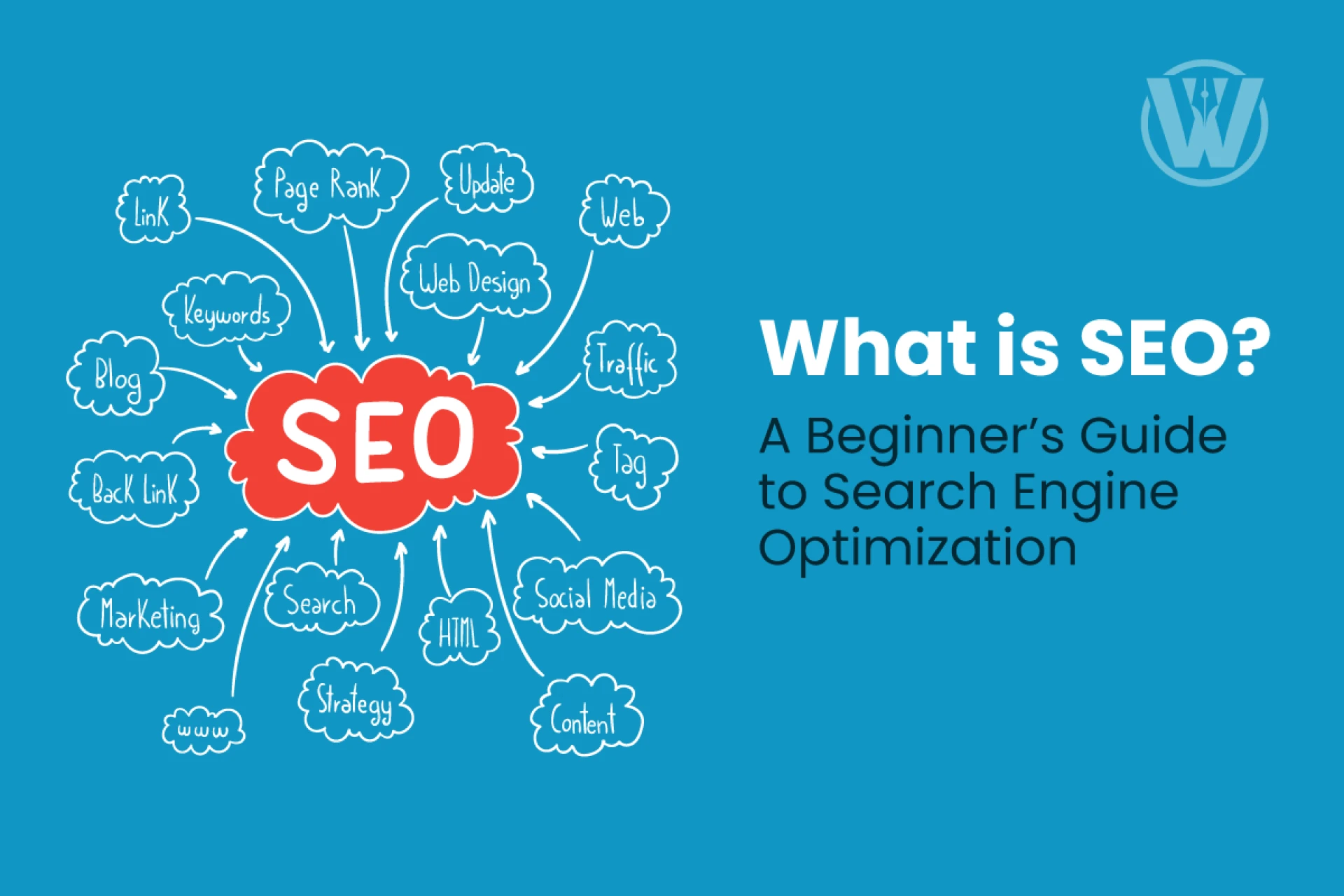
In the fast-evolving landscape of digital commerce, mastering E-commerce SEO is imperative for staying ahead in 2024. As consumer behaviors shift and online competition intensifies, a well-optimized e-commerce website is the key to unlocking greater visibility, attracting targeted traffic, and ultimately boosting sales. In this comprehensive guide, we delve into the intricacies of E-commerce SEO, providing actionable insights to ensure your online store not only keeps pace with the dynamic algorithms of search engines but dominates them.
Understanding the E-commerce Landscape
To kickstart our journey into E-commerce SEO, let's first understand the unique challenges and opportunities that e-commerce businesses face. With an increasingly crowded online marketplace, standing out requires a nuanced approach. Leveraging long-tail keywords specific to your products, understanding user intent, and conducting thorough competitor analysis are crucial steps in establishing a solid foundation for your E-commerce SEO strategy.
The Pillars of Successful E-commerce SEO
1. Keyword Research and Implementation
In the realm of E-commerce SEO, keyword research is the linchpin that holds the entire strategy together. Start by identifying high-intent keywords relevant to your products, considering factors like search volume, competition, and user relevance. Seamlessly integrate these keywords into product descriptions, meta titles, and image alt texts to enhance the discoverability of your offerings.
2. Optimal Site Structure
An often underestimated but critical aspect of E-commerce SEO is the site structure. A well-organized and intuitive site layout not only enhances user experience but also facilitates search engine crawlers in indexing your pages effectively. Implement clear categories, logical product hierarchies, and a breadcrumb navigation system to guide both users and search engines through your site seamlessly.
3. High-Quality Product Descriptions
Crafting compelling and unique product descriptions is a powerful tool for E-commerce SEO. Avoid duplicate content issues by ensuring each product page has a distinct and engaging description. Incorporate relevant keywords naturally, providing not only valuable information about the product but also creating content that resonates with your target audience.
4. Image Optimization
In the visually-driven world of e-commerce, image optimization is non-negotiable. Compress images without compromising quality to ensure swift page loading times. Additionally, employ descriptive file names and alt texts that include relevant keywords, enhancing accessibility for search engines and users alike.
5. Mobile Responsiveness
With the majority of online shopping occurring on mobile devices, ensuring mobile responsiveness is paramount. Google's emphasis on mobile-first indexing makes it imperative for your e-commerce site to offer a seamless experience across various screen sizes. Prioritize a responsive design to cater to the growing mobile user base.
Advanced Strategies for E-commerce Domination
1. User-Generated Content and Reviews
Harness the power of user-generated content by encouraging customer reviews and testimonials. Not only do positive reviews build trust, but they also provide fresh and authentic content that search engines value. Implement a robust review system, and engage with customers to cultivate a community around your brand.
2. Social Media Integration
In the interconnected world of digital marketing, social media integration is a potent force for E-commerce SEO. Shareable content, social proof, and active engagement on platforms like Instagram and Facebook contribute to a robust online presence. Leverage social signals to enhance your website's authority and relevance in the eyes of search engines.
Monitoring and Adapting
The landscape of E-commerce SEO is dynamic, with algorithms evolving and consumer behaviors changing. Regularly monitor your site's performance using tools like Google Analytics and Search Console. Keep abreast of industry trends and algorithm updates to adapt your strategy accordingly, ensuring sustained visibility and growth in the competitive e-commerce sphere.
In conclusion, mastering E-commerce SEO in 2024 requires a multifaceted approach that combines technical optimization, user-centric content creation, and strategic adaptability. By implementing the strategies outlined in this guide, your e-commerce venture is poised not only to meet the demands of contemporary search algorithms but to surpass competitors and establish itself as a dominant force in the online retail landscape.
























Sign in to leave a comment.