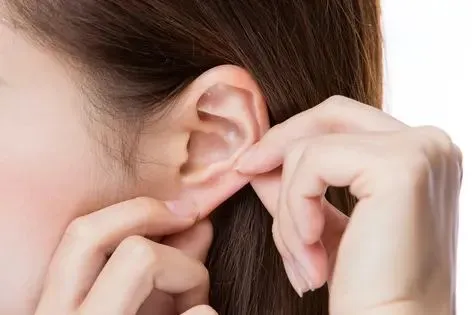
Aesthetic balance is often defined by the subtle relationship between various facial features, and the ears play a pivotal role in this equation. Ear reshaping in Dubai has become a highly sought-after solution for those looking to correct protrusion or structural irregularities that draw unwanted attention. By focusing on precision and natural contours, modern otoplasty allows patients to move away from the "pinned-back" look of the past toward a more organic, balanced profile that complements their individual facial structure.
Defining Ear Reshaping in Dubai
This cosmetic surgical procedure, medically known as otoplasty, involves the physical alteration of the external ear’s cartilage. It is primarily used to bring the ears closer to the head or to reduce the size of particularly large ears. In our clinical experience, the most successful results are those where the surgeon respects the natural "S-curve" of the ear's outer rim.
Ear reshaping in Dubai is not just about aesthetics; it is about restoring a sense of normalcy for patients who have spent years feeling self-conscious. Because the ears are nearly fully grown by age five, this procedure is unique in its ability to provide permanent relief to both young children and adults, ensuring that the results remain stable throughout the patient's life.
How Ear Reshaping in Dubai Works: The Mechanism
The core of this procedure lies in the biological adaptability of the auricular cartilage. This flexible tissue provides the ear with its shape but can be surgically manipulated to hold a new position. During the treatment, the surgeon accesses the cartilage through a small, discreet incision.
By scoring the cartilage to make it more pliable or by utilizing permanent internal sutures, the surgeon can fold the ear into a more recessed position. What patients typically report during recovery is a feeling of tightness as the skin adapts to the new, closer position of the underlying cartilage. This structural change is what ensures the ears do not "spring back" to their original prominent state.
The Purpose and Scope of Treatment
The motivation behind otoplasty is diverse, ranging from correcting congenital issues to repairing physical trauma. The primary purpose is to create a more proportional relationship between the ear and the side of the head.
- Correcting Prominence: Reducing the angle at which the ear sits relative to the skull.
- Fold Reconstruction: Creating a natural-looking antihelical fold where one is missing.
- Size Reduction: Addressing macrotia (unusually large ears) to better fit the head size.
- Symmetry Alignment: Ensuring both ears sit at the same height and projection.
Clinical Benefits of the Procedure
Choosing to undergo ear correction offers a variety of clinical and psychological advantages that impact a patient's daily life.
| Clinical Benefit | Description |
|---|---|
| Permanent Correction | The changes made to the cartilage do not reverse over time. |
| Hidden Scarring | Incisions are placed in the posterior crease, making them invisible from the front. |
| High Patient Satisfaction | Statistics show otoplasty has one of the highest satisfaction rates in aesthetic surgery. |
| Versatile Techniques | Can be tailored to address specific areas like the lobe or the upper rim. |
Who are the Ideal Candidates?
We prioritize safety and anatomical readiness when determining who can undergo this procedure.
- Children (5+ Years): Their cartilage is stable enough for surgery but still soft for easy molding.
- Healthy Adults: Individuals without underlying conditions that might interfere with skin healing.
- Non-Smokers: Essential for maintaining the blood supply necessary for a smooth recovery.
- Realistic Expectations: Patients who understand that the goal is improved harmony, not mathematical perfection.
The Surgical Procedure: A Step-by-Step Guide
- Marking and Measurement: Detailed measurements are taken to ensure symmetrical results.
- Anesthesia: Local anesthesia with IV sedation is standard for adults to ensure a pain-free experience.
- Incision: A small vertical incision is made in the hidden fold behind the ear.
- Cartilage Modification: The surgeon thins or folds the cartilage to achieve the desired contour.
- Securing Position: Internal, non-absorbable sutures are placed to lock the new shape.
- Bandaging: A protective medical wrap is applied to stabilize the ears for the first 24 hours.
Common Target Zones for Ear Reshaping in Dubai
Modern otoplasty is a "zone-based" surgery, meaning different parts of the ear are treated with specific techniques:
- The Concha: The central "bowl" of the ear; reducing its depth helps the ear sit flatter.
- The Antihelix: The inner fold that gives the ear its characteristic shape.
- The Helical Rim: The outermost edge, which can be rounded or tucked.
- The Lobule: The fleshy lower part of the ear, which may be reduced if it is overly prominent.
Cost and Investment Factors
The financial aspect of ear reshaping in Dubai is determined by the specific clinical requirements of the case. Factors such as whether the procedure is bilateral (both ears) or unilateral (one ear), the complexity of the cartilage reconstruction, and the type of anesthesia used all contribute to the final resource allocation. Since this is a permanent surgical change, it is considered a one-time investment in a patient’s long-term self-image and comfort.
Recovery and Healing Timeline
A successful surgery requires a dedicated recovery period to ensure the cartilage sets correctly.
- Days 1–3: Patients wear a soft, bulky dressing. Minor bruising and swelling are expected.
- End of Week 1: The primary dressing is removed. A lighter, tennis-style headband is introduced.
- Weeks 2–6: The headband is worn during sleep to prevent the ears from being pulled forward.
- Months 3–6: Residual swelling completely disappears, and the ears feel and look entirely natural.
Safety and Side Effects
Otoplasty is a routine procedure with a very high safety profile. Common side effects are mild and temporary, including redness, minor swelling, or a tingling sensation as the nerves in the skin heal. While rare, potential risks include minor asymmetry or a small hematoma. These risks are effectively managed through the use of advanced surgical techniques and by strictly following the post-operative care plan provided by the clinical team.
Post-Treatment Maintenance
Once the healing process is complete, no ongoing maintenance is required. The ears are structurally sound and do not require special creams or secondary procedures. We advise patients to avoid activities where the ear might be forcefully bent for at least two months. After this period, the internal scarring provides enough strength for the patient to return to all normal activities, including contact sports.
Conclusion
The decision to refine a physical feature is often the result of long-term reflection and a desire for personal harmony. It is natural to feel a sense of anticipation and a few nerves when considering a surgical path. At Tajmeels Clinic, we focus on providing a compassionate and authoritative environment where your clinical safety and aesthetic goals are perfectly aligned. Our approach ensures that your transformation is subtle, natural, and permanent, allowing your inner confidence to shine through. You are in expert hands, and we are dedicated to helping you achieve the balanced look you deserve.
























Sign in to leave a comment.