

Spastic cerebral palsy can affect much more than movement and muscle control—it may also impact a child's ability to speak, communicate, and swallow. Speech therapy plays a vital role in helping children develop clearer speech, stronger oral muscles, and effective communication skills.
With early intervention and personalized therapy, children can improve their confidence and better express their thoughts, needs, and emotions.
How Spastic Cerebral Palsy Affects Speech
Children with spastic cerebral palsy often experience increased muscle stiffness that affects the muscles of the face, tongue, lips, and jaw. As a result, they may have difficulty with:
- Pronouncing words clearly
- Controlling breathing while speaking
- Chewing and swallowing safely
- Speaking at a normal pace
- Using facial expressions effectively
The severity of speech difficulties varies from child to child, making individualized therapy essential.
Benefits of Speech Therapy
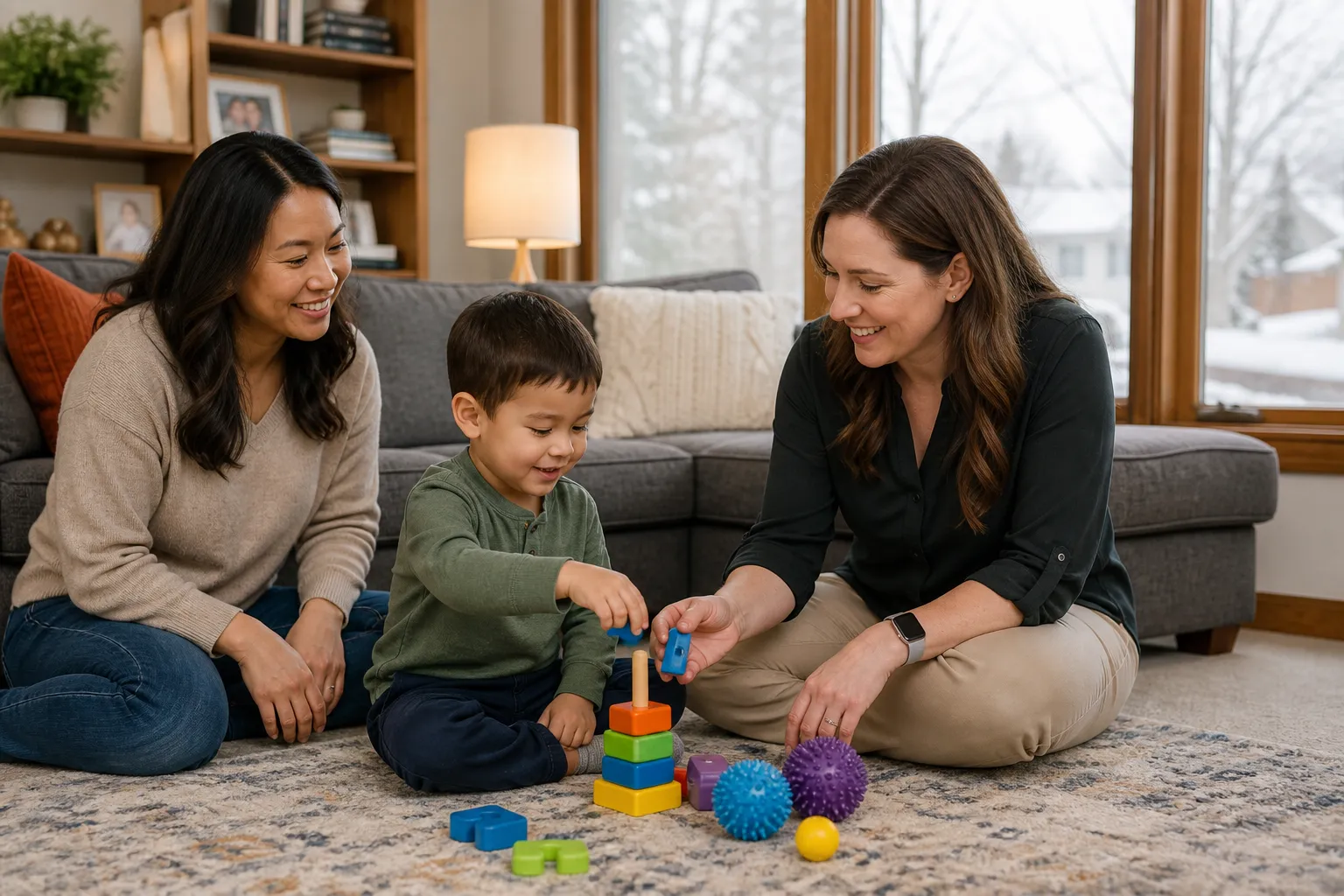
Speech therapy helps children strengthen the muscles involved in speech and improve communication abilities. A speech-language pathologist creates a personalized treatment plan based on the child's specific challenges.
Common benefits include:
- Improved speech clarity
- Better oral motor coordination
- Enhanced language development
- Improved swallowing and feeding skills
- Increased confidence in social interactions
Regular therapy sessions can significantly improve a child's ability to communicate with family, teachers, and peers.
Techniques Used in Speech Therapy
Speech therapists use a variety of evidence-based techniques, including:
- Oral motor exercises to strengthen facial muscles
- Breathing and voice control activities
- Pronunciation and articulation practice
- Language development exercises
- Augmentative and Alternative Communication (AAC) devices when needed
These methods are adapted according to the child's age, abilities, and communication goals.
The Importance of Early Intervention
Starting speech therapy early allows children to build communication skills during critical stages of development. Consistent practice at home, combined with professional therapy, often leads to better long-term outcomes. Parents and caregivers also receive guidance on supporting communication during everyday activities.
Conclusion
Speech therapy is an essential part of managing spastic cerebral palsy, helping children improve speech, language, and swallowing abilities. Through personalized treatment, consistent practice, and family involvement, many children develop stronger communication skills and greater independence.
Early intervention can make a lasting difference in improving both confidence and overall quality of life.






















Sign in to leave a comment.