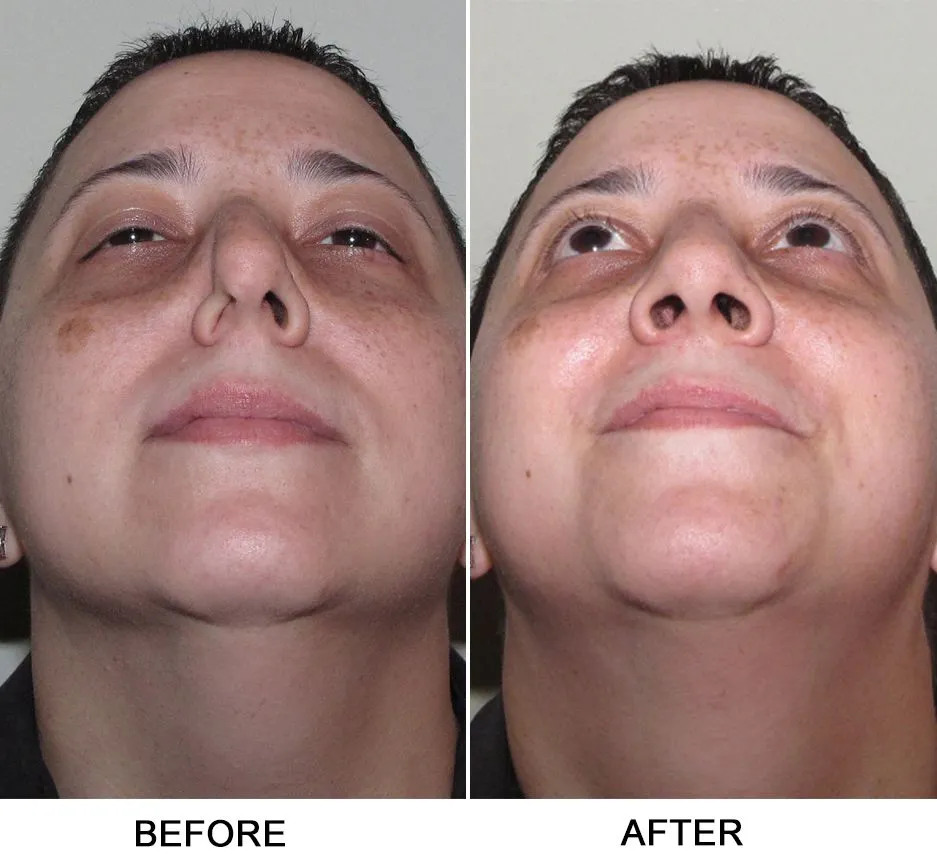
Maintaining optimal respiratory health is essential for overall well-being. For many in the region, Septoplasty and Turbinate Reduction in Dubai has become the primary solution for those struggling with persistent structural nasal blockage. This combined surgical approach focuses on the internal architecture of the nose to provide a permanent, evidence-based remedy for individuals who are tired of the cycle of temporary decongestants and recurring sinus issues.
Understanding the Need for Septoplasty and Turbinate Reduction
The nasal cavity functions as the body's primary air filtration and humidification system, but its internal structures are often prone to obstruction. The septum—the central wall of cartilage and bone—can become deviated, while the inferior turbinates—specialized tissues along the sidewalls—can become chronically inflamed. When both conditions coexist, the breathing passage is significantly restricted, making normal nasal inhalation difficult. By performing this surgery, specialists can open these narrow passages and restore efficient airflow.
The Clinical Mechanism of Septoplasty and Turbinate Reduction
The surgical process is designed to be as minimally invasive as possible while achieving maximum functional results. Under general anesthesia, the surgeon accesses the nasal cavity internally, which ensures no external skin is incised and no visible scars remain. The procedure involves carefully straightening the deviated septum to restore symmetry, followed by the surgical reduction of the bulky turbinate tissues. This combined correction successfully clears the physical obstacles that have been preventing smooth, effortless breathing.
[Table: Anatomical Obstructions vs. Surgical Fixes]
| Anatomical Issue | Surgical Correction |
|---|---|
| Deviated Septum | Realignment of cartilage/bone |
| Hypertrophied Turbinates | Volumetric tissue reduction |
| Restricted Nasal Valve | Widening of airway intake |
Why Septoplasty and Turbinate Reduction Is Performed
This surgical intervention is indicated when anatomical obstruction is the primary cause of your symptoms. Many patients arrive at the clinic after years of relying on topical nasal sprays or allergy medications that have failed to provide consistent relief. By choosing this procedure, you are moving away from symptom management and addressing the underlying physical reality of your nasal anatomy, providing a path toward long-term respiratory independence.
Major Benefits of the Combined Procedure
- Increased Nasal Airflow: By removing structural roadblocks, patients experience a profound and immediate boost in the volume of oxygen intake.
- Restorative Sleep Cycles: Clearing the nose reduces the tendency to snore and helps minimize instances of interrupted, shallow sleep.
- Enhanced Stamina: Improved nasal breathing capacity makes it much easier to sustain high-intensity exercise and maintain energy throughout the day.
- Sinus Pressure Relief: A clear, wide passage facilitates natural drainage, which helps lower the frequency of chronic sinus discomfort.
Identifying Ideal Candidates for Treatment
The ideal candidate is someone who has struggled with long-term nasal obstruction that has failed to improve with standard medical care. If you experience asymmetrical breathing, chronic morning headaches, or persistent fatigue, you are a prime candidate for a professional evaluation. A thorough diagnostic exam, often including a nasal endoscopy, will determine if your anatomy is the bottleneck preventing you from breathing comfortably.
The Step-by-Step Treatment Procedure
Patients can expect a streamlined, outpatient experience. The surgery generally lasts between one to two hours, depending on the extent of the correction needed. Once you are safely under anesthesia, the surgeon performs the septal and turbinate modifications internally with high-precision tools. The process concludes with the careful placement of internal supports that stabilize the nasal tissue while the initial healing stage begins, ensuring a predictable and successful outcome.
Common Treatment Areas and Target Zones
The surgeon focuses on specific anatomical regions that impact breathing volume:
- The Septal Partition: The central wall corrected to restore balanced airflow.
- The Inferior Turbinates: Soft tissues reduced to prevent airway obstruction.
- The Internal Nasal Valve: The narrowest portion of the airway, prioritized to maximize total throughput.
Understanding Cost Factors
Determining the investment for your procedure requires a personalized assessment of your specific anatomical needs and the surgical requirements. Because every patient’s nasal structure is unique, a standard, one-size-fits-all approach does not exist. We encourage you to schedule a consultation where we can review your health history and provide a clear overview of the surgical plan and the corresponding investment.
The Recovery Timeline and Healing Process
In our clinical experience, the recovery period is designed to be efficient. While patients may feel some temporary congestion as the nasal tissues settle, this is typically managed with simple post-operative care. We advise patients to keep their head elevated while resting and to avoid strenuous physical activities for at least two weeks to ensure the optimal, long-term healing of the internal structures.
Side Effects and Safety Considerations
Safety is embedded in our surgical process. While minor effects such as temporary swelling or mild sensitivity are normal as your body heals, these are handled easily with our post-operative instructions. We utilize modern, minimally invasive techniques to significantly lower the risk of complications, and our team provides dedicated support throughout your recovery to ensure your experience is safe and successful.
How to Maintain Results and Post-Treatment Care
The secret to long-term success is a consistent post-operative routine. Regular use of prescribed saline irrigation is crucial, as it keeps the nasal passages clean, hydrated, and free of debris. By maintaining your follow-up schedule at Tajmeels Clinic, you allow our specialists to monitor your healing process and provide the necessary guidance to ensure your nasal health remains excellent for years to come.
Conclusion and Soft CTA
Deciding to resolve your chronic nasal obstruction is a meaningful step toward improving your daily quality of life. You deserve to wake up feeling fully refreshed and to breathe easily without conscious effort. We are here to support your journey toward better health. Contact our professional team today for a comprehensive consultation to discuss a personalized plan that puts your breathing first.



























Sign in to leave a comment.