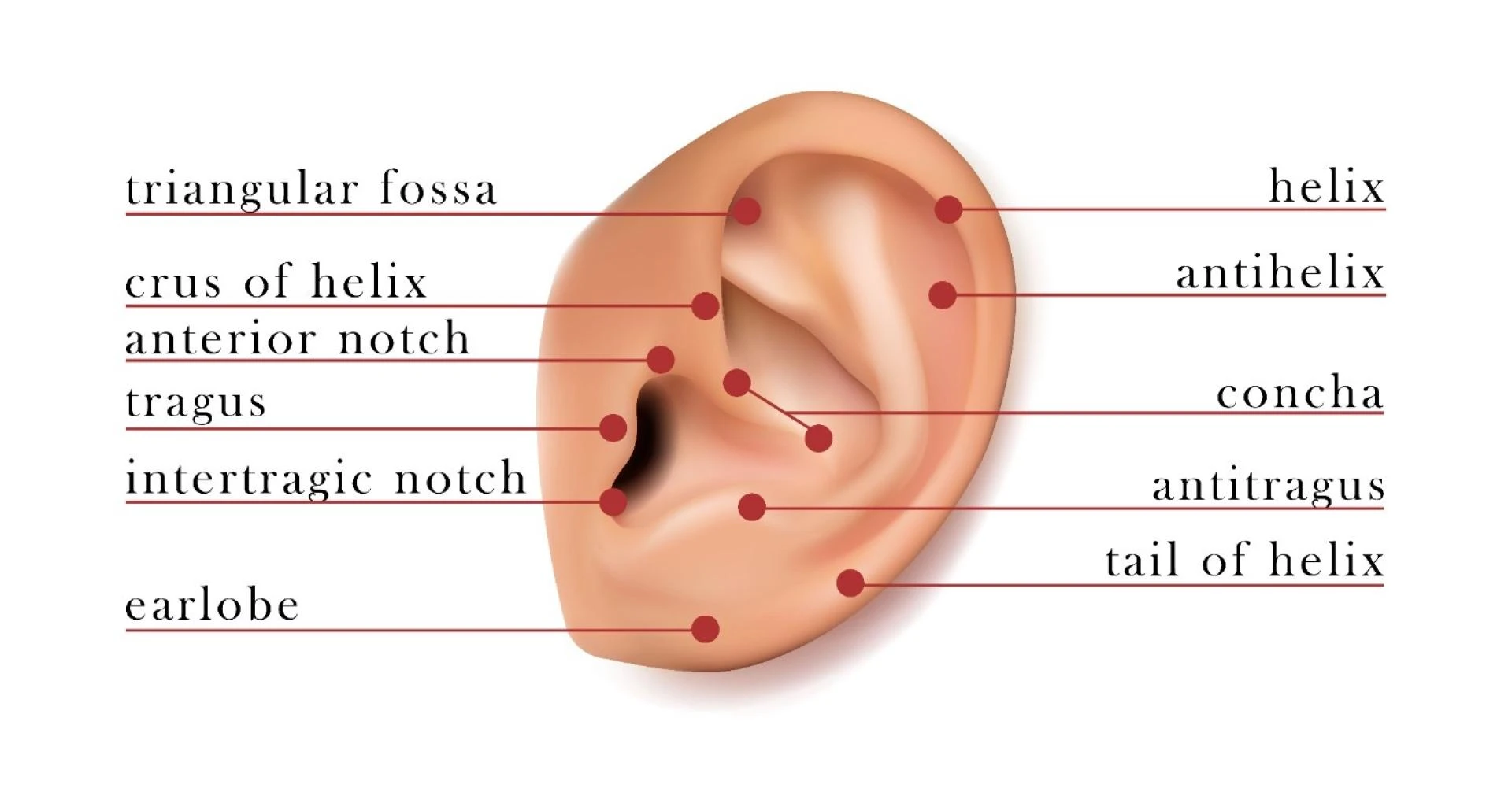

Ear wax, also known as cerumen, is a natural substance produced inside the ear canal. It helps protect the ears by trapping dust, bacteria, and other harmful particles. In most cases, ear wax moves out of the ear naturally. However, when it builds up, it can cause discomfort, blockage, and even temporary hearing loss.
What is Ear Wax and Why is it Important?
Ear wax plays an essential role in maintaining ear health. It acts as a natural cleanser and lubricant, preventing dryness and irritation inside the ear canal. It also has antibacterial properties that reduce the risk of infections.
Normally, jaw movements like chewing and talking help move the wax out of the ear. But sometimes, this natural process does not work properly, leading to accumulation.
Symptoms of Ear Wax Buildup
When ear wax accumulates, it can lead to several noticeable symptoms. These symptoms may be mild at first but can become severe if ignored.
Common Symptoms:
- Muffled or reduced hearing
- Ear pain or discomfort
- Feeling of fullness in the ear
- Ringing sound (tinnitus)
- Itching inside the ear
- Dizziness in some cases
- Bad smell or discharge
If you notice these signs, it is important to take action early to avoid complications.
Causes of Excess Ear Wax
There are several reasons why ear wax may build up in the ear.
Main Causes:
- Frequent use of cotton buds
- Wearing earphones or hearing aids regularly
- Narrow ear canals
- Excessive wax production
- Improper cleaning habits
Using cotton buds is one of the most common mistakes. Instead of removing wax, they push it deeper inside the ear.
Risks of Ignoring Ear Wax Buildup
Ignoring ear wax buildup can lead to serious problems over time. It may affect your hearing and overall ear health.
Possible Risks:
- Temporary or partial hearing loss
- Increased ear pain
- Ear infections
- Damage to the ear canal
- Persistent ringing in the ear
- Balance issues
Timely care is important to prevent these complications and maintain healthy ears.
Safe Ear Wax Removal Methods
Removing ear wax should always be done safely to avoid damage.
Recommended Methods:
1. Use of Ear Drops
Ear drops help soften the wax, making it easier to come out naturally. They are easily available and simple to use.
2. Warm Water Cleaning
You can gently clean your ear using warm water and a bulb syringe. Make sure to do it carefully to avoid pressure inside the ear.
3. Medical Treatment
If the wax is hard or deeply impacted, it is best to consult a specialist. Professional cleaning methods like suction or irrigation are safe and effective.
For proper care, many people trust Vishwa ENT Hospital Ear Treatments for safe and advanced solutions.
Expert Care for Ear Problems
When home remedies do not work, it is important to visit a reliable clinic. Choosing a good Ent Hospital in Ahmedabad ensures proper diagnosis and safe treatment for ear wax removal and other ear-related issues.
Importance of Consulting a Specialist
If you are facing repeated ear wax problems, it is always better to seek expert advice. A qualified Ent Doctor Ahmedabad can examine your ear condition and suggest the right treatment without causing any damage.
What to Avoid During Ear Cleaning
Many people use unsafe methods that can make the situation worse.
Avoid:
- Inserting cotton buds deep inside the ear
- Using sharp objects like pins
- Ear candling (not recommended)
- Over-cleaning the ears
These methods can push wax deeper or injure the ear canal.
Tips to Prevent Ear Wax Buildup
Simple habits can help you prevent ear wax problems.
Prevention Tips:
- Clean only the outer part of the ear
- Avoid inserting objects inside the ear
- Limit use of earphones
- Keep ears dry and clean
- Consult a doctor if needed
When to See a Doctor?
You should consult a doctor if:
- Hearing loss continues
- There is severe pain
- You feel dizziness
- There is discharge from the ear
- Home remedies do not help
Early treatment helps avoid serious complications.
Conclusion
Ear wax is a natural and useful substance, but too much of it can cause discomfort and hearing problems. Understanding the symptoms, risks, and safe removal methods can help you manage the condition easily.
Avoid unsafe cleaning practices and seek professional help when needed. With proper care and awareness, you can maintain good ear health and prevent future issues.

























Sign in to leave a comment.