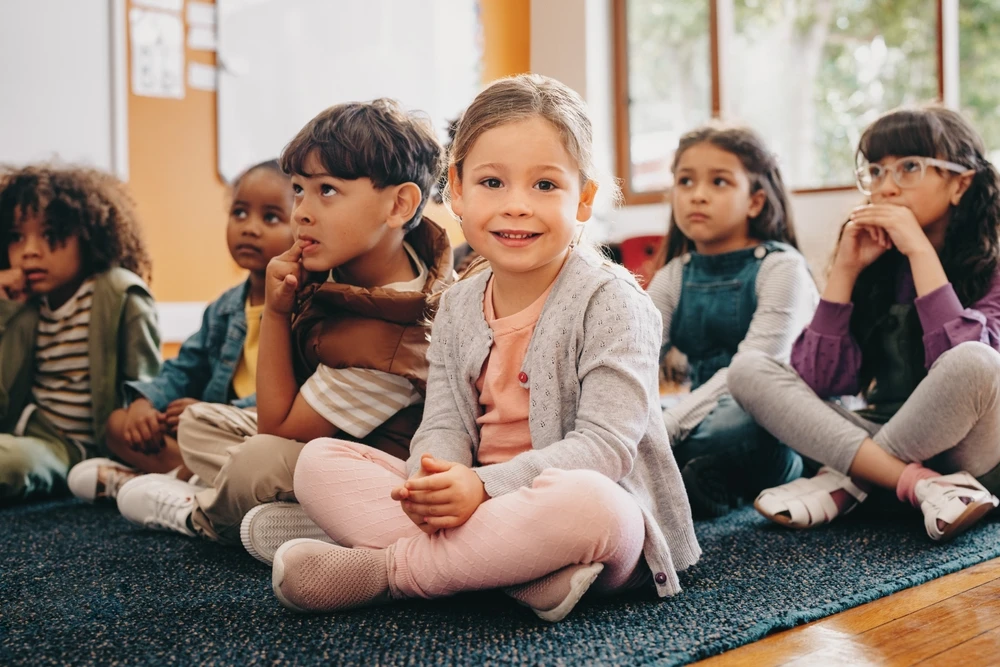

Early childhood is one of the most important stages in a child’s life. During these early years, children develop the cognitive, social, emotional, and physical foundations that shape their future learning experiences. Quality learning environments and structured educational activities can significantly influence how children grow, interact, and understand the world around them.
This is why many parents and educators recognize the value of enrolling children in well-designed early childhood education programs. These programs are carefully created to support developmental milestones while encouraging curiosity, confidence, and a love for learning from a young age.
Why Early Childhood Education Programs Matter for Development
Children’s brains develop rapidly during the first five years of life. Research in child development consistently shows that structured early learning environments help strengthen cognitive abilities, language development, and social skills.
Well-designed early childhood education programs focus on nurturing the whole child. Instead of only teaching academic skills, these programs combine play-based learning, guided instruction, and social interaction. Through storytelling, creative play, problem-solving activities, and group interaction, children begin building the foundational abilities needed for long-term academic success.
In a supportive learning environment, children also gain independence and confidence. They learn how to follow routines, communicate their ideas, and interact respectfully with peers.
Recognizing Early Learning Readiness Signs for Children
One of the goals of early childhood programs is helping educators and parents recognize early learning readiness signs for children. These signs indicate when a child is prepared to engage in structured learning activities and group-based environments.
Key readiness indicators include:
- Curiosity about books, numbers, and new concepts
- Ability to follow simple instructions
- Interest in social interaction with other children
- Basic communication and listening skills
- Growing independence in simple tasks
When these readiness signs appear, children often thrive in structured learning settings where trained educators guide them through developmentally appropriate activities.
Programs that focus on readiness ensure that children transition smoothly into preschool and later academic stages.
Social and Emotional Growth Through Early Learning
Another essential benefit of early childhood education programs is the development of social and emotional intelligence. Children learn how to express feelings, cooperate with others, and manage challenges in healthy ways.
Group activities encourage teamwork, empathy, and patience. Teachers guide children through interactions, helping them understand emotions and develop problem-solving skills when conflicts arise.
Over time, children gain confidence in social environments, which is crucial for both classroom success and lifelong interpersonal relationships.
Building Cognitive and Language Skills
Language development is a major focus during early childhood. Structured learning environments provide constant exposure to vocabulary, storytelling, songs, and conversations that stimulate language growth.
Activities such as reading circles, interactive storytelling, and guided discussions strengthen comprehension and communication skills.
These experiences help children build strong cognitive connections that support later reading, writing, and critical thinking abilities.
The Role of a High-Quality Early Childhood Learning Center
A supportive environment plays a crucial role in effective child development. A professional early childhood learning center provides trained educators, age-appropriate learning materials, and structured activities designed to nurture developmental growth.
These centers focus on creating safe, stimulating environments where children feel encouraged to explore, ask questions, and develop confidence in their abilities.
Educators in these environments understand developmental milestones and use carefully designed teaching methods that support each child’s individual learning pace.
By combining play, exploration, and guided instruction, early learning centers help children develop the emotional security and intellectual curiosity needed for lifelong learning.
Preparing Children for Lifelong Learning
The benefits of early childhood education extend far beyond preschool years. Children who participate in structured early learning programs often demonstrate stronger academic readiness, improved communication skills, and greater emotional resilience.
They enter kindergarten with a stronger understanding of classroom routines, collaborative learning, and problem-solving strategies.
More importantly, these programs cultivate a positive relationship with learning itself. When children feel supported and encouraged during their early developmental stages, they are more likely to approach future educational challenges with confidence and enthusiasm.
Final Thoughts
Early childhood education plays a vital role in shaping a child’s developmental journey. Through structured learning experiences, nurturing guidance, and engaging activities, children develop the cognitive, emotional, and social skills that prepare them for future success.
High-quality early childhood education programs not only support academic readiness but also help children grow into confident, curious learners ready to explore the world around them.































Sign in to leave a comment.