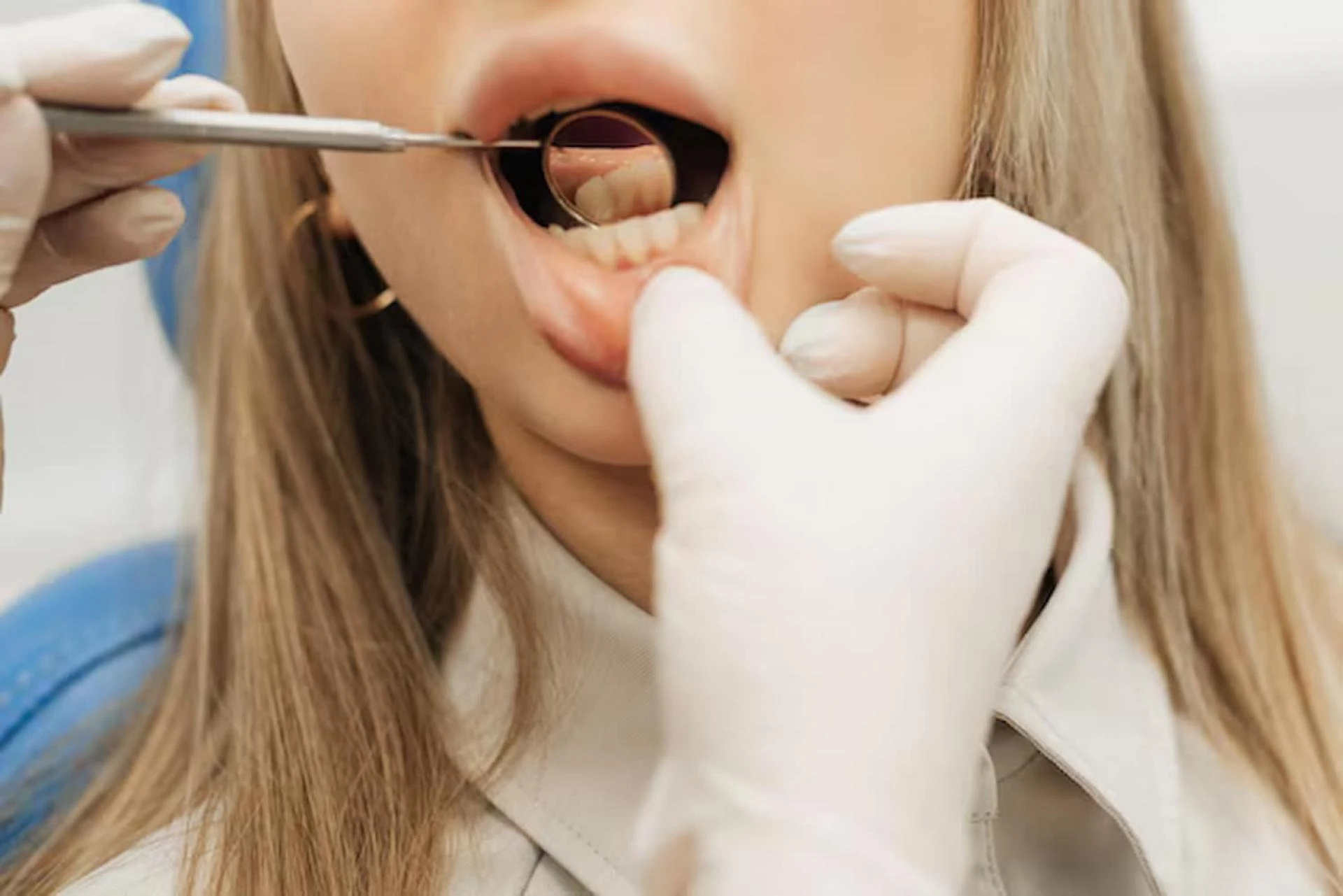

Healthy gums play a vital role in supporting strong teeth and maintaining overall oral wellness. However, gum disease can develop quietly, often showing mild symptoms before progressing into a more serious condition. Many individuals begin searching for periodontitis near me when they notice persistent bleeding, swelling, or gum recession. Recognizing early warning signs allows for timely professional intervention and prevents long term damage. Dental experts emphasize that early detection significantly increases the chances of successful treatment. Understanding when to seek care can protect both oral health and general wellbeing. With consistent attention and professional guidance, gum disease can be managed effectively.
Understanding Gum Disease
What Is Gum Disease
Gum disease is an infection of the tissues that surround and support the teeth. It begins with plaque accumulation along the gumline due to inadequate oral hygiene. When plaque hardens into tartar, it irritates the gums and triggers inflammation. The early stage is known as gingivitis and is usually reversible with proper care. If left untreated, it can progress into periodontitis, which damages deeper tissues and bone. This progression weakens the structural foundation of teeth. Early awareness is essential for preventing serious complications.
How Gum Disease Progresses
Gingivitis starts with mild redness and swelling of the gums. Without treatment, bacteria spread beneath the gumline and form pockets between the gums and teeth. These pockets trap debris and encourage further infection. Over time, the supporting bone may begin to deteriorate. Teeth can loosen as the condition worsens. Advanced stages may lead to tooth loss and affect overall oral stability. Recognizing the stages of progression highlights the importance of timely intervention.
Early Signs of Gum Disease
Bleeding Gums During Brushing
One of the most common early signs of gum disease is bleeding during brushing or flossing. Healthy gums should not bleed with routine oral care. Persistent bleeding indicates inflammation and bacterial buildup. Some individuals may dismiss this symptom as minor irritation. However, consistent bleeding requires professional evaluation. Early treatment can reverse gingivitis and restore gum health. Ignoring this sign allows infection to advance.
Redness and Swelling
Gums affected by gingivitis often appear red rather than pale pink. Swelling and tenderness may also be noticeable. Inflamed gums can feel sensitive to touch or pressure. This inflammation is the body’s response to bacterial infection. Professional cleaning helps remove irritants causing these symptoms. Prompt attention reduces discomfort and prevents progression. Observing changes in gum appearance is key to early detection.
Persistent Bad Breath
Chronic bad breath may signal underlying gum disease. Bacteria trapped along the gumline release unpleasant odors. Regular brushing may not fully eliminate the smell if infection is present. Persistent halitosis often indicates deeper periodontal issues. Seeking evaluation ensures accurate diagnosis and appropriate treatment. Addressing the root cause improves both oral health and confidence. Fresh breath is often restored with proper care.
Signs That Indicate Advanced Periodontitis
Gum Recession
As gum disease progresses, gums may begin to pull away from the teeth. This recession exposes more of the tooth surface and may lead to sensitivity. Teeth can appear longer due to tissue loss. Gum recession creates pockets where bacteria thrive. Without intervention, bone loss may follow. Early professional treatment can slow or halt further damage. Monitoring gum levels helps identify changes promptly.
Loose or Shifting Teeth
Loose teeth are a serious sign of advanced periodontitis. Bone deterioration weakens the support structure around teeth. Patients may notice changes in bite alignment or difficulty chewing. Teeth may shift positions gradually over time. Immediate dental care is essential to prevent tooth loss. Stabilizing the condition requires comprehensive periodontal therapy. Professional intervention can preserve remaining structures.
Pus and Severe Inflammation
In severe cases, pus may develop between teeth and gums. This indicates active infection requiring urgent treatment. Swelling may become pronounced and painful. Eating and speaking can become uncomfortable. Systemic symptoms such as fever may occur in rare cases. Immediate evaluation prevents further spread of infection. Addressing severe inflammation protects overall health.
Risk Factors That Increase Susceptibility
Poor Oral Hygiene
Inconsistent brushing and flossing allow plaque buildup to accumulate. Over time, bacteria multiply and irritate gum tissue. Skipping routine dental cleanings increases the risk of tartar formation. Professional maintenance is essential for thorough plaque removal. Good oral hygiene remains the first line of defense against gum disease. Establishing consistent habits reduces vulnerability significantly.
Smoking and Tobacco Use
Tobacco products weaken the immune response and impair healing. Smokers are more likely to develop severe periodontal disease. Symptoms may be less noticeable, delaying diagnosis. Quitting smoking improves circulation and gum health. Professional guidance can support lifestyle changes. Eliminating tobacco use enhances treatment success rates.
Medical Conditions and Hormonal Changes
Conditions such as diabetes can increase the likelihood of gum infections. Hormonal fluctuations during pregnancy or menopause may heighten gum sensitivity. Certain medications can affect saliva production and oral balance. Managing systemic health supports periodontal stability. Dentists consider medical history when developing treatment plans. Addressing underlying conditions strengthens overall outcomes.
When to See a Dentist
At the First Sign of Symptoms
Seeking dental evaluation at the first sign of bleeding or swelling prevents disease progression. Early diagnosis allows for conservative treatment options. Scaling and professional cleaning can reverse gingivitis effectively. Delaying care increases the risk of bone damage. Prompt appointments improve long term prognosis. Regular checkups play a critical role in prevention.
If Symptoms Persist or Worsen
Persistent symptoms such as gum recession or tooth mobility require immediate attention. Advanced cases demand comprehensive periodontal therapy. Dentists may recommend deep cleaning, antibiotic therapy, or surgical procedures. Early professional care limits the extent of damage. Monitoring symptoms closely ensures timely intervention. Preventive action protects natural teeth and supporting tissues.
Treatment Options for Gum Disease
Professional Deep Cleaning
Scaling and root planing remove plaque and tartar from beneath the gumline. This deep cleaning reduces inflammation and promotes healing. The procedure is often performed under local anesthesia for comfort. Multiple visits may be necessary depending on severity. Follow up appointments ensure proper healing. Deep cleaning remains a cornerstone of periodontal therapy.
Antibiotic and Laser Treatments
Antibiotics may be prescribed to control bacterial infection. Laser therapy offers a minimally invasive alternative for removing infected tissue. These treatments enhance the effectiveness of deep cleaning. Dentists tailor recommendations based on individual needs. Advanced technology improves precision and comfort. Combining therapies often produces optimal results.
Surgical Intervention for Severe Cases
In advanced periodontitis, surgical procedures may be required. Flap surgery allows thorough cleaning of deep pockets. Bone grafts can restore lost structural support. Soft tissue grafts improve gum coverage and aesthetics. Recovery varies depending on treatment complexity. Long term maintenance is essential after surgery. Professional monitoring ensures continued stability.
Preventive Measures for Lifelong Gum Health
Daily Oral Care Routine
Brushing twice daily with fluoride toothpaste removes plaque effectively. Flossing cleans between teeth where bacteria accumulate. Antimicrobial mouth rinses may provide additional protection. Replacing toothbrushes regularly maintains cleaning efficiency. Proper technique enhances overall effectiveness. Consistent home care supports professional treatments.
Regular Dental Visits
Routine dental checkups enable early detection of periodontal changes. Professional cleanings remove hardened tartar. Dentists assess gum health and measure pocket depths. Preventive care reduces the risk of advanced disease. Maintaining scheduled appointments ensures ongoing monitoring. Regular visits contribute to lasting oral wellness.
Conclusion
Early recognition of gum disease symptoms plays a vital role in preventing serious complications. Bleeding gums, persistent bad breath, and gum recession should never be ignored. Seeking professional care at the first sign of trouble allows for effective and conservative treatment. Individuals searching for periodontitis near me can benefit from timely evaluation and personalized periodontal therapy. In Sherman Oaks, patients looking for comprehensive gum care and long term support may consider Clove Dental sherman oaks for professional guidance and dedicated treatment tailored to their needs.





























Sign in to leave a comment.