
Traditional construction methods, reliant on concrete foundations, pose significant challenges in today\'s environmentally conscious world. These methods often involve extensive excavation, high resource consumption, and a substantial carbon footprint. Addressing these issues and seeking more sustainable alternatives is crucial as we strive to reduce our environmental impact.
The environmental toll of conventional construction is staggering. Excavation disrupts ecosystems, consumes valuable resources, and generates significant waste. Concrete production alone is responsible for a substantial portion of global CO2 emissions. Moreover, traditional foundations are labor-intensive, time-consuming, and costly. The urgency to solve these problems must be addressed, as we face increasing pressure to build in an eco-friendly, cost-effective, and efficient manner.
Ground screws eliminate the need for extensive excavation, preserving natural landscapes and reducing habitat disruption. Their minimal environmental impact and carbon footprint make them a sustainable choice for builders committed to reducing their impact on the planet. Furthermore, the speed and ease of ground screw installation significantly reduce labor costs and construction timelines, making them a cost-effective alternative. By adopting ground screws as a foundation solution, we can build in a way that aligns with our environmental goals while maintaining efficiency and affordability in construction projects.
What Are Ground Screws?
Before we dive into the advantages and applications of ground screws, let\'s first understand what they are. Ground screws, also known as screw piles or helical piers, are cylindrical steel shafts with helical blades that resemble large screws. They are designed to be installed directly into the ground to provide a stable foundation for various structures.
Advantages of Ground Screws
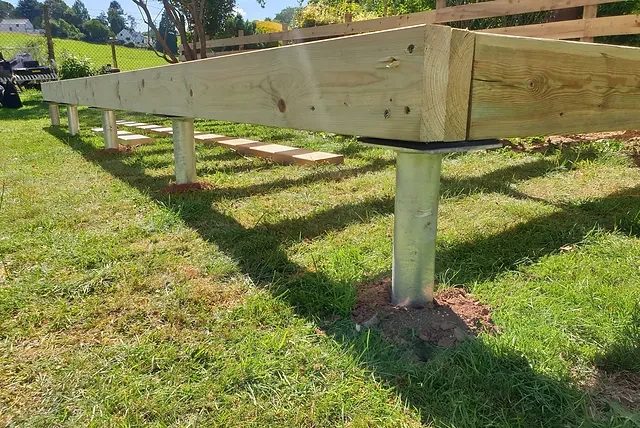
Ground screws offer many advantages, making them a compelling choice for eco-conscious builders and homeowners alike.
Environmental Benefits
Ground screws are an eco-friendly alternative to traditional concrete foundations. They require minimal excavation, which means fewer trees need to be cut down and less disruption to natural landscapes. Additionally, the manufacturing process of ground screws produces fewer greenhouse gas emissions compared to concrete.
Cost-Effectiveness
While the initial cost of ground screw installation may be slightly higher than that of traditional foundations, the long-term savings are significant. Their rapid installation process translates to reduced labor costs, and they eliminate the need for heavy machinery and extensive excavation, further reducing expenses.
Speed and Ease of Installation
One of the standout features of ground screws is how quickly and easily they can be installed. Traditional foundation construction can be time-consuming, whereas ground screws can be set up in hours. This speed saves time and reduces the overall environmental impact of construction.
Applications of Ground Screws
Ground screws are incredibly versatile and can be used in various applications.
Residential Use
- Deck Support: Ground screws provide a stable and durable foundation for decks, ensuring they stay level and secure.
- Garden Structures: Whether you\'re building a gazebo, pergola, or playset, ground screws offer a reliable base.
Commercial and Industrial Applications
- Solar Panel Installations: Ground screws are ideal for securing solar panels, allowing them to harness renewable energy efficiently.
- Temporary Structures: For events, construction sites, or outdoor exhibitions, ground screws provide a solid foundation for temporary structures.
Agricultural Uses
- Crop Support Systems: Ground screws can anchor trellises and support systems for crops like grapes, ensuring healthy growth.
- Greenhouses: They provide a stable foundation for greenhouses, creating a controlled environment for plants.
Ground Screw Installation Process
Installing ground screws is a straightforward process that can be broken down into key steps.
- Site Preparation: The chosen site is cleared of debris, and any obstacles are removed to ensure a clean installation area.
- Screw Installation: Ground screws are mechanically driven into the ground using specialized equipment. They penetrate the soil until the desired depth and load-bearing capacity are achieved.
- Load Testing: After installation, load testing is conducted to verify the stability and load-bearing capacity of the ground screws.
Tips for a successful installation include:
- Proper alignment.
- Ensuring the screws are perpendicular to the ground.
- Conduct soil tests to determine your project\'s optimal screw type and depth.
Case Studies
Let\'s explore a few real-life examples of successful ground screw projects:
- Residential Success Stories: Homeowners have reported increased stability and longevity of their decks and garden structures after opting for ground screws. These structures remain level and secure for years.
- Commercial and Industrial Applications: Solar panel installations using ground screws have shown improved energy output and reduced maintenance costs, making them a sustainable choice for businesses.
Ground Screws vs. Traditional Foundations
While ground screws offer numerous benefits, it\'s essential to consider when to choose them over traditional foundations. Ground screws are ideal for projects that require speed, minimal environmental impact, and cost savings. However, traditional foundations may still be better for extremely large or complex structures.
Future Trends in Ground Screw Technology
As construction practices continue to evolve, ground screw technology is no exception. Emerging innovations include improved materials, designs, and more efficient installation methods. These advancements are set to enhance further the sustainability and practicality of ground screws in construction.
Conclusion
Ground screws have emerged as a reliable and eco-friendly option in a world that demands sustainable building solutions. Their environmental benefits, cost-effectiveness, ease of installation, and versatility make them a compelling choice for various construction projects. By choosing ground screws, you reduce your carbon footprint and ensure your structures\' long-term stability.
FAQs
- Are ground screws suitable for all soil types?
Ground screws are versatile and can be used in various soil types, including sandy, loamy, and clayey soils. However, conducting a soil test to determine the optimal screw type and depth for your specific soil conditions is essential.
- Do ground screws require maintenance?
Ground screws are designed to be low-maintenance. However, periodic inspections are recommended to ensure they remain secure and level, especially for structures that experience heavy loads or extreme weather conditions.
- Are ground screws a viable option for earthquake-prone areas?
Ground screws can be engineered to withstand seismic activity and are often used in earthquake-prone regions. Consult a structural engineer to ensure your ground screw foundation meets local building codes and earthquake resistance requirements.
Incorporating ground screws into your construction projects is a step towards a more sustainable and efficient future. Their benefits extend beyond environmental considerations, offering practical advantages that make them a worthwhile investment. So, consider ground screws for your next building endeavor and contribute to a greener, more cost-effective construction industry.




























Sign in to leave a comment.