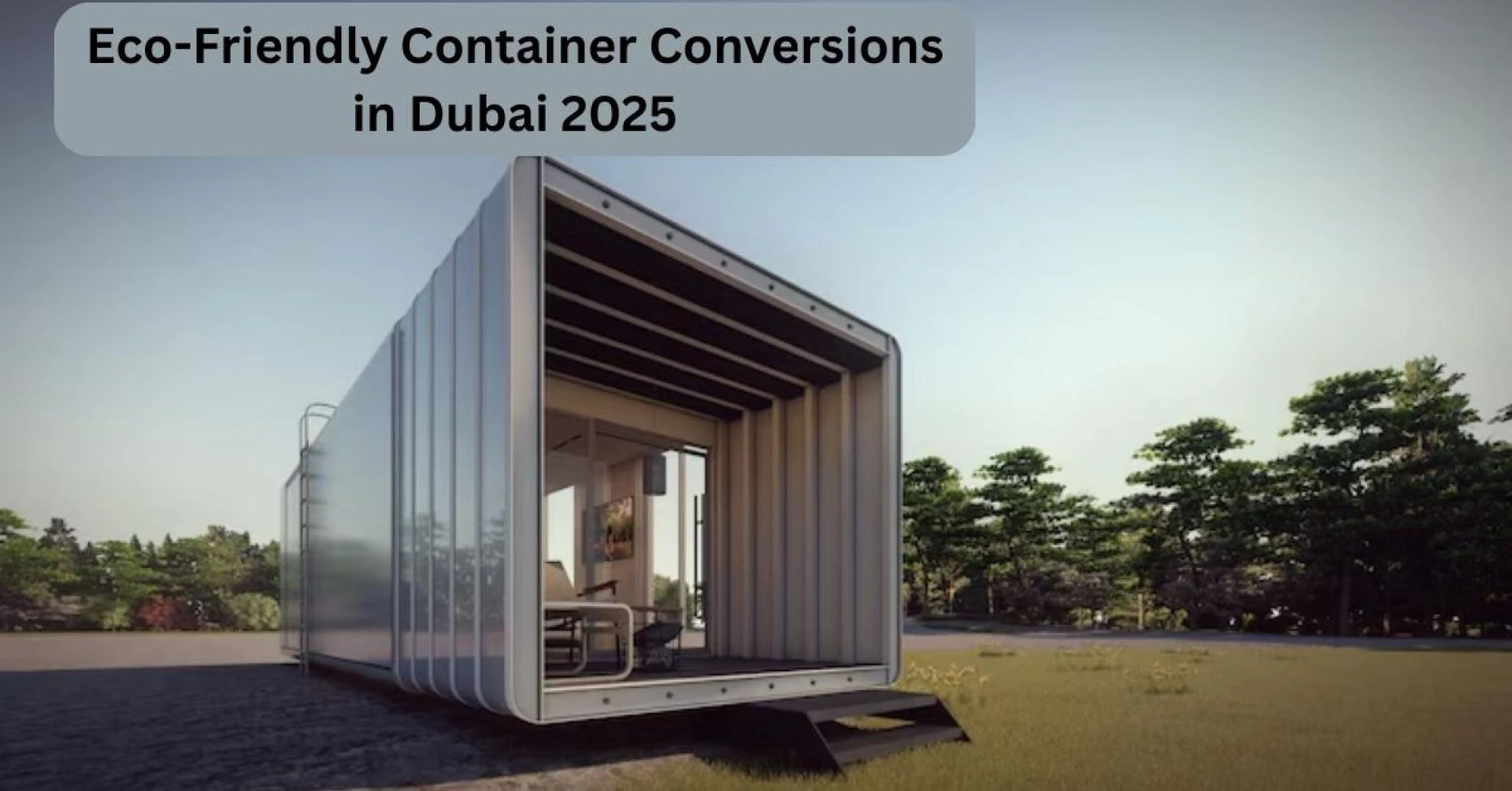

In recent years, the global movement towards sustainability has fueled innovation in architecture, particularly in urban environments like Dubai. Among the most striking examples of this trend is the increasing popularity of eco-friendly container conversions. In 2025, this architectural shift is more than a fad; it's a bold step towards a greener, smarter urban future. These structures, which begin as humble shipping containers, are being transformed into functional, aesthetic, and energy-efficient spaces that suit Dubai’s ambitious vision of sustainable living.
The Rise of Container Conversions in Dubai
Dubai, known for its architectural wonders, is embracing a more conscious approach to urban development. While skyscrapers and futuristic buildings continue to define the skyline, there’s a quiet revolution underway with the use of repurposed shipping containers. These steel boxes, once used only for transporting goods, are now seen as versatile building blocks for homes, offices, pop-up stores, and community centers.
What makes this trend particularly impactful is its alignment with Dubai's 2040 Urban Master Plan, which emphasizes sustainable infrastructure and reduced environmental impact. Eco-friendly container conversions directly contribute to this mission by promoting recycling, reducing construction waste, and cutting down on the use of conventional materials like cement and bricks.
Environmental Benefits of Container Conversions
The appeal of a converted container house or structure goes beyond aesthetics or novelty. These buildings provide measurable ecological benefits that make them an ideal solution for environmentally conscious individuals and urban planners alike.
1. Recycling and Reuse
By using decommissioned containers, the construction process avoids the need to extract and process new materials. Each container that gets reused represents a significant reduction in carbon emissions associated with traditional construction methods.
2. Reduced Construction Waste
Container conversions create minimal debris. The structure of a shipping container is already intact, so modifications typically involve cutting and reinforcing instead of complete demolition or reconstruction.
3. Lower Energy Consumption
With modern insulation and energy-efficient systems, container structures can maintain indoor temperatures with less reliance on air conditioning—particularly important in Dubai’s hot climate. Incorporating solar panels, green roofs, and smart ventilation systems makes these buildings even more efficient.
4. Compact and Scalable
Container designs promote the use of compact spaces. This means less energy is needed to heat or cool the interior, and multiple units can be stacked or arranged creatively to save space ideal for urban areas where land is limited.
Popular Uses of Eco-Friendly Container Conversions
In 2025, container houses in Dubai are being used in more ways than ever before. The adaptability of containers allows architects to design for various uses while maintaining a sustainable approach.
Residential Units
The container house in Dubai has moved from concept to reality, with families and individuals choosing them for affordability, speed of construction, and environmental consciousness. These homes are often designed with energy-saving systems, smart lighting, and natural ventilation features, offering a comfortable and sustainable living experience.
Commercial Spaces
Pop-up cafes, retail stores, and coworking spaces created from shipping containers are increasingly visible across Dubai’s urban landscape. Their temporary yet durable nature makes them ideal for seasonal businesses or flexible commercial setups.
Emergency and Transitional Housing
Given their rapid deployability, container conversions are also being considered for humanitarian purposes such as emergency housing or temporary shelters during urban development projects. Their modular nature allows them to be quickly relocated or expanded as needed.
Community Projects
Some of the most innovative uses of container architecture can be found in community-based projects. Libraries, art studios, and educational centers built from containers are being introduced in areas needing fast and cost-effective infrastructure.
Innovations in Container Design for 2025
The year 2025 has brought several advancements in the way container conversions are approached. Architects and designers are pushing the boundaries of what these steel structures can become by integrating smart technology and modern construction techniques.
Smart Container Homes
Tech integration is a big trend in 2025. Converted container homes now come equipped with IoT-based systems that monitor temperature, humidity, and energy use. These smart features not only enhance comfort but also contribute to energy efficiency.
Modular Expansion
A single container unit can now serve as a base for multi-unit setups. With pre-fabricated components, multiple containers can be joined vertically or horizontally, making it easy to scale up as needed—whether for growing families or expanding businesses.
Aesthetic Upgrades
Designers are also focusing on the visual appeal of these conversions. Cladding options, glass facades, rooftop gardens, and minimalist interiors are giving container structures a contemporary, high-end feel that fits Dubai’s architectural expectations.
Challenges and Considerations
While container conversions offer a lot of advantages, they do come with certain challenges especially in a climate like Dubai’s.
Thermal Regulation
Shipping containers are made of steel, which can absorb and retain heat. Without proper insulation and ventilation, indoor temperatures can become extreme. Thankfully, most converted container house designs in Dubai now include advanced insulation materials and passive cooling techniques.
Zoning and Building Codes
Dubai has strict regulations when it comes to construction. Ensuring that a container structure meets local codes requires expert planning and often collaboration with professionals familiar with both sustainable architecture and regional guidelines.
Corrosion and Maintenance
Salt-laden air, especially in coastal areas of Dubai, can accelerate corrosion. Protective coatings, regular inspections, and the use of weather-resistant materials are necessary to ensure long-term durability.
Future Outlook: Container Living as a Mainstream Option
The trend of eco-friendly container conversions is no longer niche. In 2025, it’s quickly becoming a legitimate part of Dubai’s residential and commercial landscape. As more people seek sustainable, flexible, and affordable living options, the popularity of the container house in Dubai is expected to rise further.
Government support for green initiatives, coupled with innovation in building technologies, means container conversions will likely see even broader adoption in the years to come. With a focus on smart design, community development, and eco-conscious living, Dubai is poised to lead the region in container-based construction.
Conclusion
Eco-friendly container conversions in Dubai represent a harmonious blend of sustainability, innovation, and practicality. From residential units to community hubs and pop-up businesses, the versatility of containers is reshaping how space is used and perceived. In 2025, choosing a converted container house isn’t just an alternative, it's a statement about responsible living and smart urban development.
As Dubai continues to evolve into a global city committed to sustainability and future-forward architecture, container conversions stand out as a key component of this green transformation. Whether you’re considering a modern container house in Dubai or exploring its commercial possibilities, the future looks bright and undeniably green.





















Sign in to leave a comment.