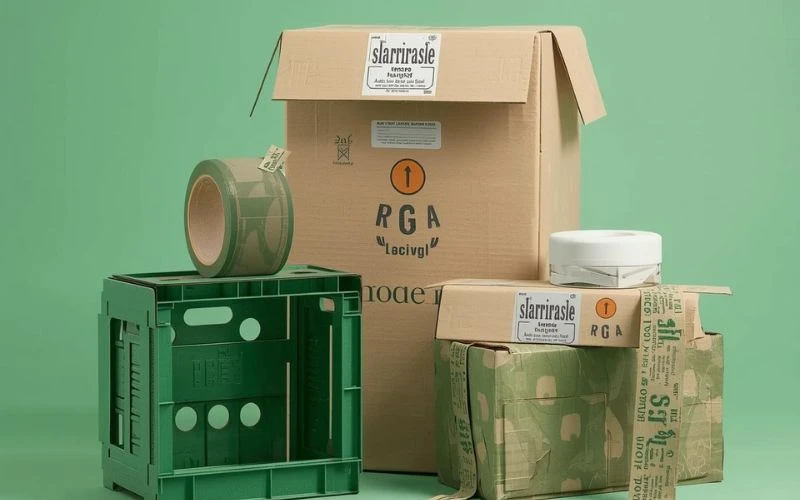

Sustainability is no longer a trend. It’s an expectation. Interestingly, waste audits show that the average household move generates over 60 kilograms of landfill waste—mostly cardboard, plastic wrap, and tape. That’s a heavy footprint for a single relocation. At the same time, eco-friendly moving supplies promise less waste and smarter outcomes. Compostable tape. Reusable crates. Sounds great! But do they actually perform under pressure? Or do they fall apart when it matters most?
Eco-smart moving isn’t about compromise. It’s about choosing materials that protect belongings without harming the environment. When planned properly, sustainable supplies can support efficient house removals in Sydney while cutting down unnecessary waste. The key lies in knowing what works—and what doesn’t.
Do Compostable Moving Materials Really Perform Under Pressure?
Compostable tape and packing products have improved dramatically in recent years. Early versions struggled with durability. Newer options tell a different story.
Here’s what holds up well:
- Compostable Tape: Made from plant-based materials, this tape adheres strongly to cardboard and performs reliably in moderate temperatures. It works best on clean, dry boxes.
- Paper-Based Cushioning: Shredded paper and moulded pulp protect fragile items surprisingly well when packed tightly.
- Biodegradable Wraps: These replace plastic stretch wrap for lighter loads and short-distance moves.
However, limitations still exist. High humidity, extreme heat, or heavy loads can reduce performance. In those cases, strategic reinforcement is essential.
Are Reusable Moving Crates Worth It?
Reusable crates are gaining traction—and for good reason. They are sturdy, stackable, and designed for repeated use. Unlike cardboard, they don’t collapse or absorb moisture.
Key benefits include:
- Durability: The hard plastic crates keep the things inside from getting crushed or wet.
- Efficiency: uniform sizes make it easier to stack and load things faster.
- Less waste: one crate can replace several plastic boxes.
For professional packers and movers, reusable crates often speed up handling while reducing cleanup time after the move. The upfront cost is higher, but the long-term value is clear—especially for larger relocations.
How to Use Eco-Friendly Packing Without Risking Damage
Planning ahead is the best way to get sustainable things to work. Most of the time, a hybrid packing approach works best.
Practical tips include:
- Use reusable crates for books, electronics, and fragile items.
- Reinforce compostable tape with proper box folding techniques.
- Keep eco materials dry and stored correctly before packing.
- Reserve heavier items for crates rather than cardboard.
Think of eco-smart packing like structural design. Materials matter—but technique matters just as much.
FAQ
1. Is compostable tape strong enough for moving boxes?
Yes. When applied to clean, dry surfaces, compostable tape provides reliable strength for most household packing needs.
2. Are reusable crates better than cardboard boxes?
In many cases, yes. Reusable crates offer superior durability, moisture resistance, and waste reduction.
3. Does eco-friendly packing increase moving costs?
Not necessarily. While some materials cost more upfront, reduced damage and lower waste often balance the expense.
Conclusion
Eco-friendly moving supplies are no longer experimental. Compostable tape and reusable crates can absolutely hold up when used correctly. The result? Less waste, fewer damaged items, and a smoother moving experience overall. With thoughtful planning and the right materials, sustainability and reliability can work side by side—no compromise required.

































Sign in to leave a comment.