

Gum disease, also known as gingivitis and periodontitis, is a common oral health condition that affects millions of people worldwide. If left untreated, gum disease can lead to a range of serious complications, including tooth loss, jawbone deterioration, and an increased risk of other health problems. Fortunately, there are a variety of effective gum treatment options available to address this issue and restore oral health.
Understanding Gum Disease
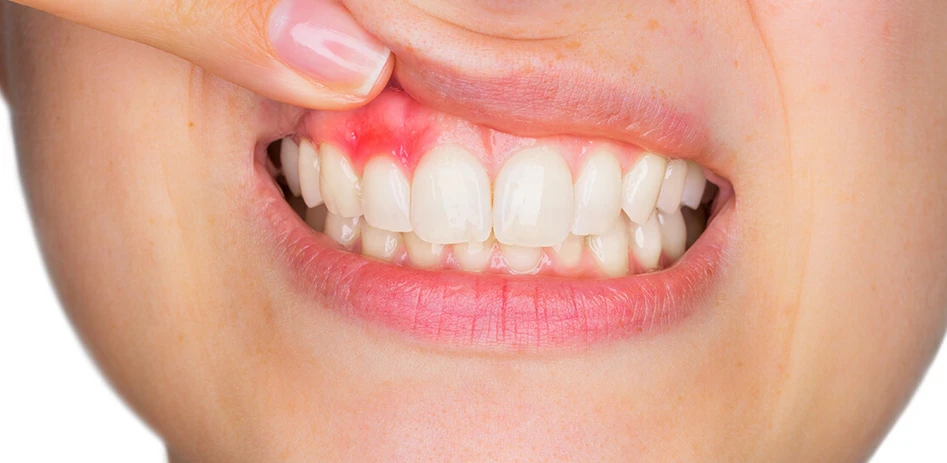
Gum disease is caused by the buildup of plaque, a sticky film of bacteria that forms on the teeth and gums. This plaque can irritate and inflame the gums, leading to the development of gingivitis, the earliest stage of gum disease. If left untreated, gingivitis can progress into periodontitis, a more advanced form of gum disease that can cause the destruction of the bone and connective tissue that support the teeth.
The symptoms of gum disease can vary, but may include:
Swollen, red, or tender gumsBleeding gums, especially when brushing or flossingPersistent bad breath or a bad taste in the mouthReceding gumsLoose or shifting teethProfessional Gum Treatment Options
For individuals with gum disease, professional treatment from a dentist or periodontist is often the most effective approach. Some of the most common professional gum treatment options include:
Scaling and Root Planing
Scaling and root planing is a deep cleaning procedure that removes plaque and tartar (hardened plaque) from above and below the gumline. This helps to reduce inflammation and promote healing of the gums.
During this procedure, the dentist or hygienist will use specialized instruments to carefully remove the buildup of plaque and tartar, smoothing the tooth roots in the process. This can help the gums to reattach to the teeth and reduce the depth of the pockets that can form between the gums and teeth.
Periodontal Therapy
In more advanced cases of gum disease, periodontal therapy may be recommended. This can involve a variety of treatments, including:
Flap surgery: This procedure involves lifting the gums away from the teeth to allow for more thorough cleaning and removal of diseased tissue.Bone grafting: In cases where the jawbone has been damaged by gum disease, bone grafting may be used to stimulate the regrowth of lost bone.Soft tissue grafts: This procedure involves taking tissue from another part of the mouth and using it to cover exposed tooth roots or fill in areas where the gums have receded.Antibiotic Therapy
In some cases, antibiotics may be prescribed to help control the bacterial infection and promote healing of the gums. These can be administered in the form of oral medications or directly applied to the affected areas.
Ongoing Maintenance
Even after successful gum treatment, it's important to maintain good oral hygiene and attend regular dental checkups and cleanings to prevent the recurrence of gum disease. This may involve more frequent visits to the dentist or hygienist for professional cleanings and monitoring of the gums.
Alternative and Complementary Gum Treatment Options
In addition to professional treatment, there are also a variety of alternative and complementary gum treatment options that can be used to support oral health and address the symptoms of gum disease. These include:
Oil Pulling
Oil pulling is an ancient Ayurvedic practice that involves swishing a small amount of oil (such as coconut, sesame, or sunflower oil) around in the mouth for several minutes. Proponents of oil pulling believe that it can help to remove plaque, reduce inflammation, and even whiten teeth.
Herbal Remedies
Various herbs and essential oils have been used for centuries to treat gum infections and other oral health issues. Some of the most commonly used herbs include:
Echinacea: This herb has anti-inflammatory and antimicrobial properties that can help to reduce gum inflammation and fight off harmful bacteria.Sage: Sage is a natural antiseptic that can help to soothe and heal inflamed gums.Chamomile: Chamomile has been used to treat a range of oral health issues, including gum infections, due to its anti-inflammatory and antimicrobial properties.These herbs can be used in a variety of forms, including teas, tinctures, and essential oils.
Dietary Changes
Some experts believe that certain dietary changes can also help to address gum disease. For example, increasing the intake of foods rich in antioxidants, such as berries, leafy greens, and citrus fruits, may help to reduce inflammation and support the body's natural healing processes.
Additionally, reducing the consumption of sugary and acidic foods and beverages, which can contribute to the growth of harmful bacteria in the mouth, may also be beneficial.
Stress Management
Stress can have a significant impact on our overall health, including our oral health. High levels of stress can weaken the immune system and make it more difficult for the body to fight off infections, including gum disease.
Incorporating stress-management techniques, such as meditation, deep breathing, or yoga, may help to support the body's natural healing processes and reduce the risk of gum disease.
Choosing the Right Gum Treatment Option
When it comes to selecting the right gum treatment option, it's important to work closely with your dentist or periodontist to develop a comprehensive care plan that addresses the specific needs and condition of your gums. Factors to consider may include the severity of the gum disease, your overall oral health, and your personal preferences and goals.
In many cases, a combination of professional treatment and alternative/complementary approaches may be the most effective approach. For example, you might undergo scaling and root planing to remove the buildup of plaque and tartar, while also incorporating herbal remedies or dietary changes to support the healing process.
Ultimately, the key to effective gum treatment is a holistic, patient-centered approach that addresses the underlying causes of gum disease and supports the body's natural healing processes. By working closely with your dental team and incorporating a range of treatment options, you can take control of your oral health and enjoy a healthy, beautiful smile for years to come.
Conclusion
Gum disease is a common and serious oral health condition that can have a significant impact on overall well-being if left untreated. Fortunately, there are a variety of effective gum treatment options available, ranging from professional interventions like scaling and root planing to alternative and complementary approaches like herbal remedies and dietary changes.
By working closely with your dentist or periodontist to develop a comprehensive care plan, you can address the underlying causes of gum disease, reduce inflammation and infection, and restore the health and function of your gums. With a combination of professional treatment and self-care strategies, you can take control of your oral health and enjoy a lifetime of confident, comfortable smiles.































Sign in to leave a comment.