
Introduction:
In today's dynamic business landscape, risk management plays a vital role in ensuring the success and sustainability of organizations. By proactively identifying, assessing, and mitigating potential risks, businesses can protect their assets, reputation, and bottom line. To aid in this critical process, a range of risk management tools and techniques have emerged, empowering businesses to make informed decisions and minimize potential disruptions. In this article, we will explore some of these tools and techniques that can help organizations effectively manage risks and safeguard their future.
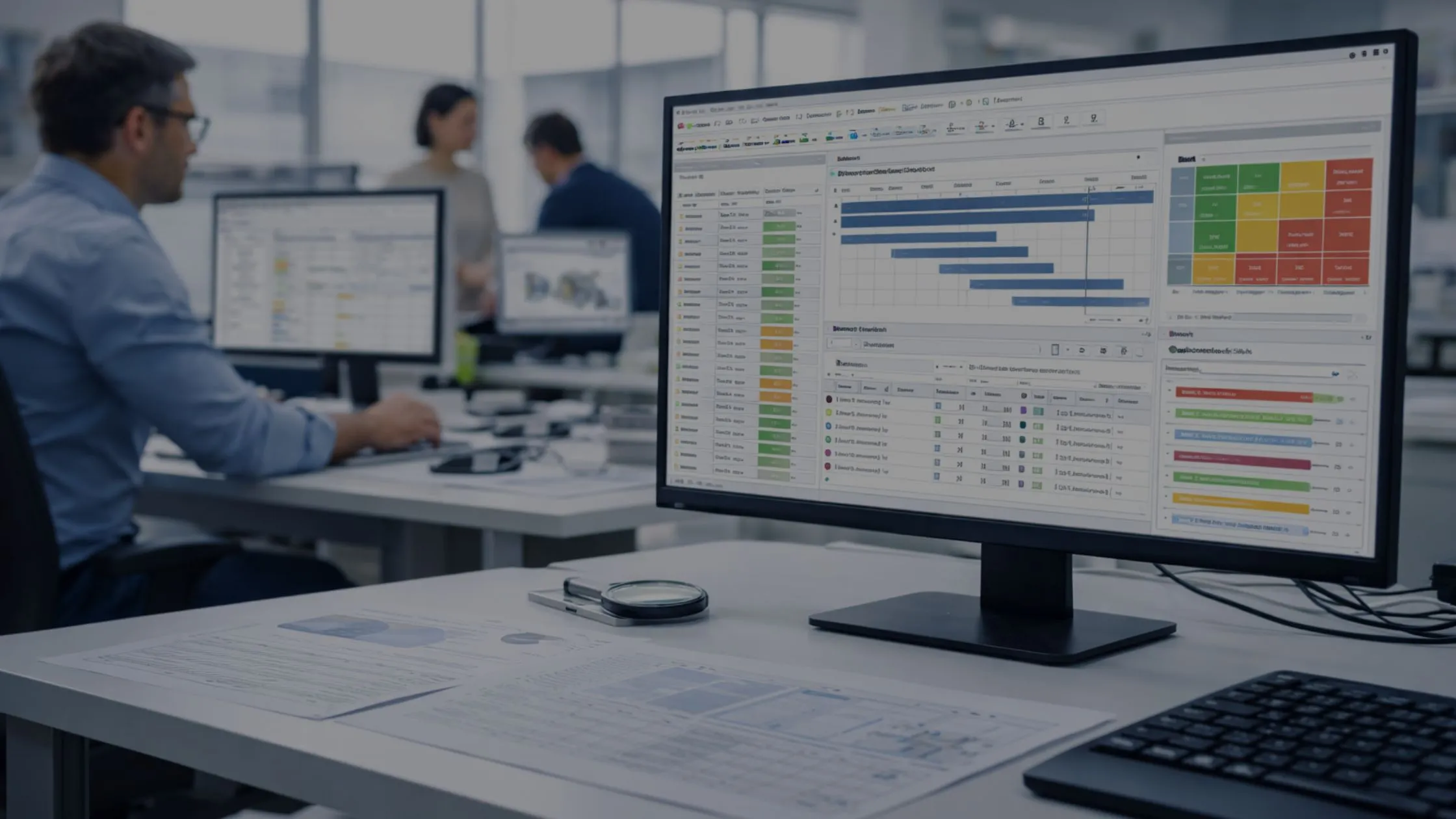
Risk Assessment Matrix:A risk assessment matrix is a valuable tool for evaluating and prioritizing risks based on their severity and likelihood. By plotting risks on a matrix, businesses gain a visual representation of potential threats and can allocate resources accordingly. This technique allows organizations to focus on high-risk areas and develop targeted mitigation strategies.SWOT Analysis:A SWOT analysis, which stands for Strengths, Weaknesses, Opportunities, and Threats, is a versatile tool that can be used for risk management purposes. By examining internal strengths and weaknesses, as well as external opportunities and threats, businesses gain a comprehensive understanding of potential risks and can devise appropriate risk response plans.Scenario Analysis:Scenario analysis involves simulating various scenarios to evaluate their potential impact on business operations. By considering different possible outcomes, organizations can anticipate risks and develop contingency plans to minimize their adverse effects. This technique allows businesses to be proactive and responsive in the face of uncertainty.Key Risk Indicators (KRIs):Key Risk Indicators are measurable metrics used to track and monitor potential risks. By establishing KRIs specific to their industry and business objectives, organizations can identify early warning signs of emerging risks. This enables proactive risk mitigation and timely decision-making, minimizing the likelihood and impact of potential threats.Conclusion: Implementing effective risk management tools and techniques is crucial for businesses to navigate an increasingly complex and uncertain environment. By utilizing tools such as risk assessment matrices, SWOT analyses, scenario analysis, and key risk indicators, organizations can identify, assess, and mitigate potential risks effectively. One such tool that provides comprehensive risk management capabilities is the trmadvantage Cloud-Based Risk Management Software (SaaS). This robust software operates on desktops, laptops, and mobile devices, offering strong support for connecting corporate and project Risk Managers with leadership teams. It is an ideal solution for meeting ISO 9001 and Project Management Institute® risk management requirements. Harnessing the power of these tools and leveraging trmadvantage's benefits can help businesses safeguard their future and thrive in an ever-changing business landscape.
Trmadvantage Cloud-Based Risk Management Software (SaaS) is a cutting-edge solution that empowers organizations to streamline their risk management processes. This software operates seamlessly across desktops, laptops, and mobile devices, providing accessibility and flexibility. With trmadvantage, corporate and project Risk Managers can effectively communicate and collaborate with leadership teams, enhancing risk visibility and decision-making. The software is also designed to meet the risk management requirements of ISO 9001 and the Project Management Institute®, ensuring compliance and facilitating seamless integration into existing workflows. By leveraging the benefits of trmadvantage, businesses can gain a competitive edge by proactively managing risks and safeguarding their future.
























Sign in to leave a comment.