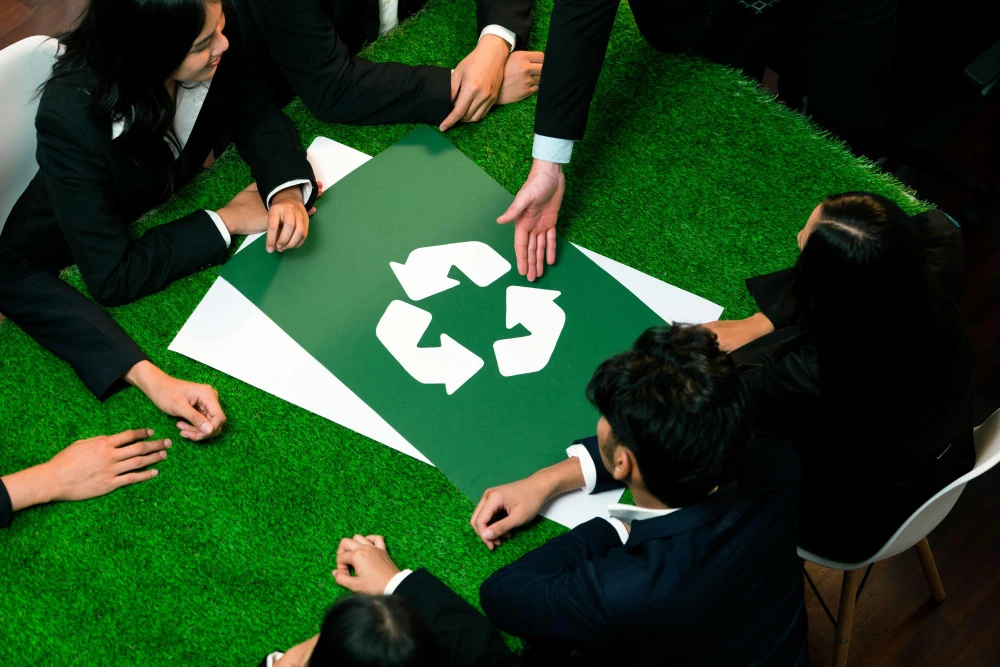

Using efficient waste management techniques is essential for a sustainable future in a society where environmental issues are in the public eye. Reducing waste production, increasing recycling and reuse, and making sure waste that can't be recycled is disposed of safely are all parts of sustainable waste management. This blog examines several practical methods for managing trash sustainably, such as product destruction and removal, to assist in our transition to a cleaner, greener future.
Reduce, Reuse, Recycle:
Reducing garbage generation is the first step towards sustainable waste management. Using robust products with minimal packaging will help achieve this. To lessen the quantity of garbage that ends up in landfills, try to reuse products wherever you can. You may also recycle materials like paper, plastics, glass, and metals.
Composting:
One practical technique to cut waste and produce nutrient-rich soil for gardening is to compost organic waste, such as leftover food and yard debris. Composting is a powerful way to keep organic waste out of landfills and lower methane emissions.
Product Removal and Destruction:
Proper product removal and destruction are crucial for organisations handling products that are substandard or have expired. By ensuring that products are disposed of responsibly, this procedure keeps them out of the wrong hands and away from illicit entry into the market, both of which can be harmful to the environment.
Waste-to-Energy:
Waste-to-energy technologies convert non-recyclable waste into energy, such as electricity, steam, or heat. This process reduces the volume of waste sent to landfills and can help meet energy demands in a sustainable manner.
Educational Campaigns:
Changing behaviour requires educating the public about the value of sustainable trash management. To safeguard the environment, encourage people to recycle, cut down on trash, and dispose of hazardous materials responsibly.
Extended Producer Responsibility (EPR):
Manufacturers are obligated under EPR policies to handle the items' end-of-life disposal. This incentivizes manufacturers to create products with reduced waste output and greater recycling potential.
Legal and Regulatory Frameworks:
Through laws and regulations, governments have a major role to play in putting sustainable waste management strategies into effect. Landfill limitations, recycling laws, and waste reduction targets are a few examples of these frameworks.
Community Involvement:
Participating in waste management projects with communities can help them develop a feeling of accountability and pride. Sustainable habits can be promoted and awareness raised through community clean-up days, recycling initiatives, and composting training sessions.
Conclusion
Effective waste management is essential for a sustainable future. By reducing waste generation, maximizing recycling and reuse, and ensuring the safe disposal of waste, we can protect the environment and create a cleaner, healthier world for future generations. Implementing sustainable waste management strategies, including proper product removal and destruction, is crucial in this effort.



























Sign in to leave a comment.