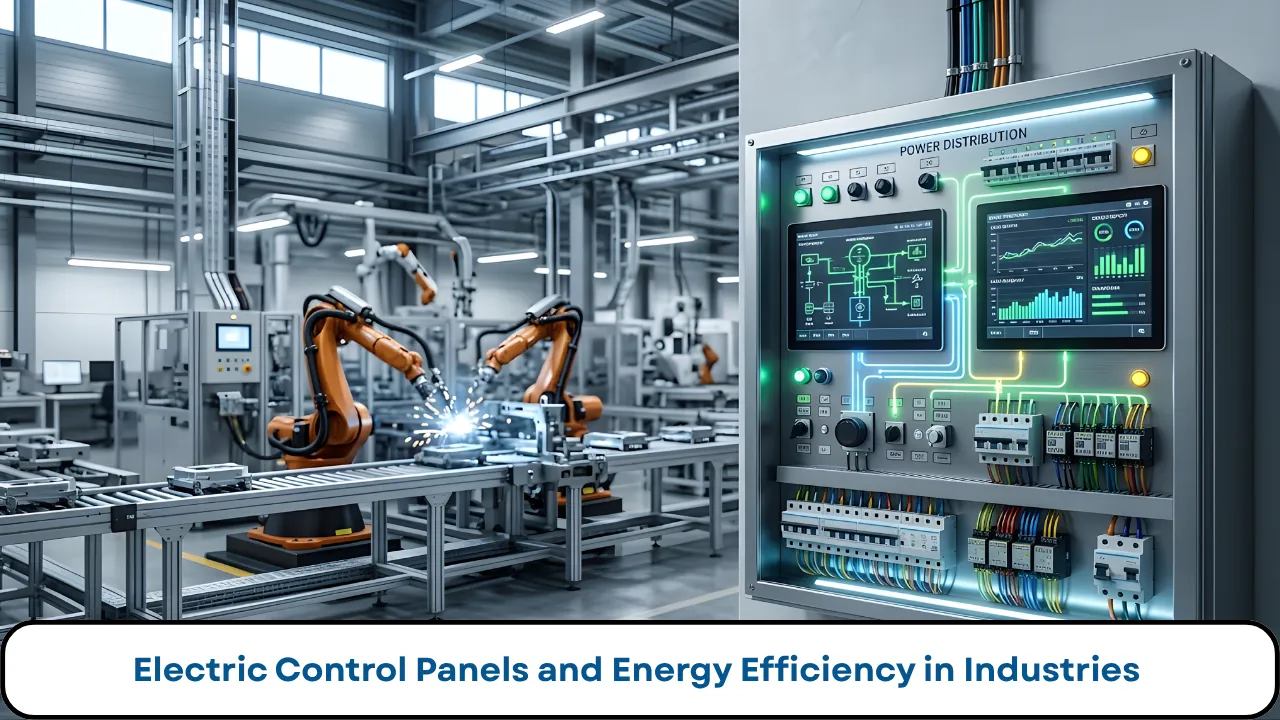

Energy efficiency is no longer optional in modern industrial operations. Rising energy costs, stricter environmental regulations, and growing pressure to meet sustainability goals have forced industries to rethink how they consume power. For many facilities, energy represents one of the largest operational expenses, directly impacting profitability.
While organizations often focus on upgrading machinery or switching to renewable energy, one critical component is frequently underestimated: electric control panels. These systems play a central role in managing, distributing, and optimizing power across industrial processes. When designed and implemented correctly, electric control panels become powerful tools for improving energy efficiency at scale.
What Are Electric Control Panels?
At its core, an industrial electrical control panel is a metal enclosure that contains key electrical components such as circuit breakers, fuses, relays, and other control devices. Its primary function is to regulate and manage electrical systems across industrial and commercial environments. From operating machinery to controlling lighting and HVAC systems, the control panel serves as the central hub that keeps operations efficient, stable, and running without interruption.
Core components:
Power Distribution and Protection
Ensure reliable power flow using circuit breakers, fuses, and surge protection. Properly sized power supplies and transformers help deliver the correct voltage to each component while preventing overloads.
Human-Machine Interface (HMI)
Use intuitive displays or touchscreens that provide clear, real-time system data, alarms, and status updates, enabling quick operator response and easier troubleshooting.
Programmable Logic Controllers (PLCs)
PLCs act as the control panel’s brain, executing automation logic. Select models with adequate processing power, I/O capacity, and scalability for your application.
Communication Interfaces
Enable seamless data exchange using protocols like Modbus or Ethernet/IP. Adding remote access improves monitoring and maintenance efficiency.
Environmental Controls
Maintain optimal performance with proper cooling, ventilation, and sealed enclosures to protect against heat, dust, and moisture.
How Energy Loss Occurs in Industrial Systems
Before understanding how control panels improve efficiency, it’s important to identify where energy losses typically occur in industrial environments.
Common sources of inefficiency include:
- Motors running at constant speeds regardless of load demand
- Uneven load distribution causing energy spikes
- Heat losses due to poor panel ventilation and layout
- Equipment running during idle periods
- Lack of visibility into real-time energy consumption
These inefficiencies accumulate over time, leading to higher energy bills and reduced system performance.
The Direct Role of Electric Control Panels in Energy Efficiency
Electric control panels serve as the centralized hub for managing power flow and operational behavior. Their ability to monitor, control, and automate systems makes them essential for energy optimization.
Key contributions include:
- Centralized control of electrical loads
- Automated decision-making based on real-time data
- Intelligent power distribution across systems
- Continuous monitoring of energy usage patterns
Instead of reactive management, control panels enable proactive energy optimization, reducing waste and improving overall system efficiency.
Key Ways Electric Control Panels Improve Energy Efficiency
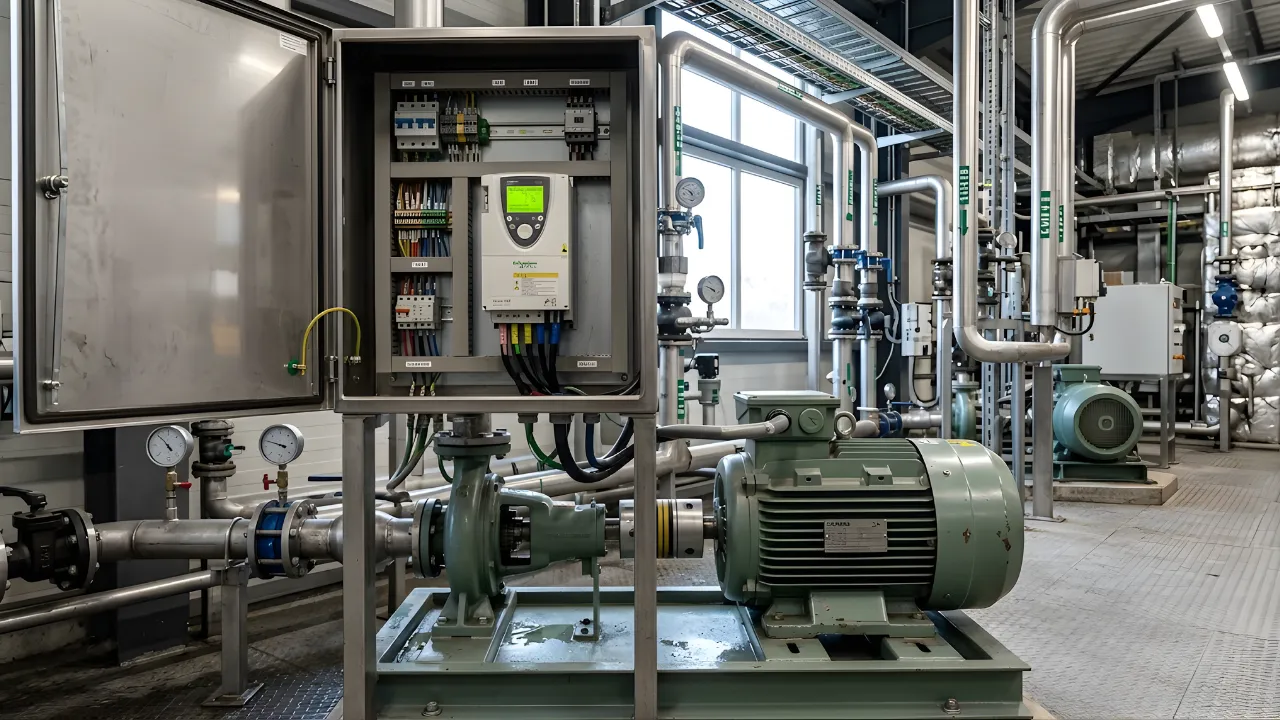
Optimized Motor Control with VFDs
Motors account for a significant portion of industrial energy consumption. Traditional systems operate motors at full speed, regardless of actual demand, leading to unnecessary energy usage.
By integrating Variable Frequency Drives (VFDs) into control panels:
- Motor speed adjusts based on real-time requirements
- Energy consumption is reduced significantly
- Mechanical wear and tear is minimized
This is particularly effective in applications such as pumps, fans, and conveyors, where demand fluctuates.
Smart Load Distribution and Power Management
Electric control panels ensure that electrical loads are evenly distributed across systems. Poor load management can lead to peak demand charges and inefficient energy usage.
With intelligent load balancing:
- Power is distributed more efficiently
- Energy spikes are minimized
- Operational costs are reduced
This contributes directly to improved energy efficiency and system stability.
Real-Time Energy Monitoring and Analytics
One of the biggest advantages of modern control panels is their ability to provide real-time insights into energy consumption.
Through integration with SCADA and energy management systems:
- Operators can track energy usage across processes
- Inefficiencies can be identified quickly
- Data-driven decisions can improve performance
Visibility is critical. Without data, energy optimization is largely guesswork.
Automation to Eliminate Energy Waste
Automation plays a key role in reducing unnecessary energy consumption.
Electric control panels enable:
- Automatic shutdown of idle equipment
- Scheduling of operations based on demand cycles
- Reduced reliance on manual intervention
These capabilities ensure that energy is used only when and where it is needed.
Improved Power Quality
Poor power quality can lead to inefficiencies, equipment damage, and increased energy consumption.
Control panels help improve power quality by incorporating:
- Harmonic filters
- Voltage regulation systems
- Power factor correction devices
These components ensure stable and efficient energy usage across the system.
Compliance and Standards Driving Energy Efficiency
Energy-efficient control panels must align with global standards to ensure performance and safety.
Key frameworks include:
- International Electrotechnical Commission
- Institute of Electrical and Electronics Engineers
- ISO 50001
Compliance with these standards helps organizations maintain consistency, reduce risk, and achieve measurable energy savings.
Advanced Technologies Enhancing Panel Efficiency
The evolution of industrial technology has transformed electric control panels into intelligent energy management systems.
Key advancements include:
- IoT-enabled panels for remote monitoring and control
- AI-driven analytics to identify optimization opportunities
- Edge computing for faster decision-making at the source
- Integration with renewable energy systems such as solar and wind
These innovations allow industries to move toward smarter, more sustainable operations.
Design Considerations for Energy-Efficient Control Panels
The effectiveness of an electric control panel depends heavily on its design and build quality.
Important design considerations include:
- Optimized layout to reduce wiring losses and improve airflow
- Effective thermal management to prevent energy waste from overheating
- Use of high-efficiency components
- Protection against environmental factors like dust, moisture, and vibration
Working with experienced panel builders such as Covenant Panelworks ensures that these elements are carefully addressed. Their expertise in custom-engineered control panel solutions helps industries achieve higher energy efficiency while maintaining system reliability and compliance.
Industry Applications and Use Cases
Energy-efficient control panels are critical across multiple industries.
Common applications include:
- Manufacturing facilities optimizing production energy usage
- HVAC systems reducing electricity consumption through automation
- Oil and gas operations improving load management
- Data centers focusing on power efficiency and uptime
- Food processing plants maintaining efficiency while meeting compliance standards
In each of these sectors, control panels directly influence both operational efficiency and energy consumption.
Common Mistakes That Reduce Energy Efficiency
Despite their potential, control panels can underperform if not properly designed or maintained.
Common mistakes include:
- Using oversized or undersized components
- Lack of real-time monitoring capabilities
- Poor maintenance leading to inefficiencies
- Ignoring power factor correction
- Relying on outdated control systems
Avoiding these issues is essential for achieving consistent energy savings.
Future Trends in Energy-Efficient Control Panels
The future of electric control panels is closely aligned with digital transformation and sustainability goals.
Emerging trends include:
- Integration with smart grids and connected energy systems
- Increased use of renewable energy sources
- Development of digital twins for energy simulation
- Greater focus on ESG (Environmental, Social, Governance) metrics
As industries evolve, control panels will play an even more strategic role in managing energy consumption and improving efficiency.
Conclusion
Electric control panels are far more than operational tools. They are critical enablers of energy efficiency in modern industrial systems. By optimizing power distribution, enabling automation, and providing real-time insights, these panels help industries reduce energy waste and improve performance.
For organizations looking to lower costs and meet sustainability goals, investing in well-designed control panels is not just a technical decision, it is a strategic one.
FAQs
How do electric control panels improve energy efficiency?
They optimize power distribution, automate operations, and provide real-time monitoring, reducing unnecessary energy consumption.
What industries benefit most from energy-efficient panels?
Manufacturing, oil and gas, HVAC, data centers, and food processing industries benefit significantly from improved energy efficiency.
What is the role of VFDs in saving energy?
VFDs adjust motor speed based on demand, reducing energy usage and improving system efficiency.
How can companies monitor energy consumption using control panels?
By integrating SCADA or energy management systems, control panels provide real-time data and analytics.
What standards apply to energy-efficient electrical systems?
Standards such as IEC, IEEE, and ISO 50001 guide the design and implementation of energy-efficient systems.











![The Benefits of Using a CNC Touch Probe [Infographic]](https://writeupcafe.com/data/post/1677697/bfdf3e040e67936848aa232d2dfe3d03.jpg.webp)









Sign in to leave a comment.