
Every minute of unplanned downtime affects productivity, delivery schedules, operating costs, and customer satisfaction. Manufacturing facilities, warehouses, and processing plants rely on equipment that performs consistently throughout every shift. Even a minor machine failure may disrupt an entire production line, creating delays that spread across multiple operations.
A well-planned maintenance strategy combined with reliable safety solutions helps businesses minimize these interruptions while creating a safer workplace. Intelligent machine protection supports continuous production, improves equipment reliability, and gives operators greater confidence during daily operations. As industries continue to embrace automation, proactive protection becomes an important part of long-term operational success.
Understanding Machine Downtime
Machine downtime refers to any period during which equipment stops operating as intended. Planned downtime includes scheduled maintenance and upgrades, while unplanned downtime results from unexpected failures, component wear, operator errors, or electrical issues. Effective safety solutions reduce the likelihood of sudden equipment failures by monitoring machine conditions and supporting timely intervention before small issues grow into major problems.
Unexpected downtime affects more than production output. It increases maintenance expenses, creates scheduling conflicts, wastes raw materials, and places additional pressure on employees. Organizations that reduce downtime often experience better product quality, stronger customer relationships, and improved operational efficiency.
Why Intelligent Machine Protection Matters?
Modern industrial environments rely on connected systems that communicate continuously. Intelligent machine protection combines sensors, monitoring devices, control systems, and automated responses to detect irregular operating conditions before equipment suffers damage.
Instead of reacting after a breakdown occurs, maintenance teams receive valuable information that supports faster decision making. This proactive approach reduces repair costs while extending equipment life. Reliable safety solutions also improve operator confidence by identifying potential hazards before they create unsafe situations.
Businesses that prioritize intelligent protection often experience fewer production interruptions, lower maintenance costs, and better asset utilization throughout the year.
Common Causes of Equipment Downtime
Understanding why equipment stops working remains an important step toward preventing future disruptions.
Mechanical Wear: Moving parts experience continuous friction. Bearings, belts, gears, and motors gradually wear over time. Regular inspections help identify early signs of deterioration before failures occur. Predictive maintenance supported by safety solutions allows maintenance teams to replace worn components during planned service intervals instead of emergency shutdowns.
Electrical Problems: Voltage fluctuations, damaged wiring, overloaded circuits, and failing control panels often interrupt production unexpectedly. Routine electrical inspections improve equipment reliability while reducing the possibility of sudden operational failures.
Human Error: Improper machine setup, incorrect operating procedures, or delayed maintenance frequently contribute to unnecessary downtime. Clear training programs and standardized operating procedures reduce these risks significantly.
Environmental Conditions: Dust, moisture, vibration, and extreme temperatures affect machine performance. Protective enclosures, environmental monitoring, and regular cleaning schedules help preserve equipment reliability over extended operating periods. Intelligent safety solutions support continuous monitoring of these conditions for improved operational stability.
Predictive Maintenance Supports Continuous Operations
Traditional maintenance often follows fixed schedules regardless of equipment condition. Predictive maintenance uses real time operating information to determine when service becomes necessary.
Sensors monitor temperature, vibration, pressure, speed, and other performance indicators. Maintenance teams receive alerts whenever readings move beyond acceptable limits. This approach reduces unnecessary servicing while preventing unexpected breakdowns.
Organizations adopting predictive maintenance frequently experience longer equipment life, improved maintenance planning, and lower operating expenses. Better scheduling also minimizes production interruptions without compromising equipment reliability.
Sensor Technology Strengthens Machine Protection
Industrial sensors play an important role in intelligent protection systems. They monitor machine conditions continuously and provide valuable operational data for maintenance personnel.
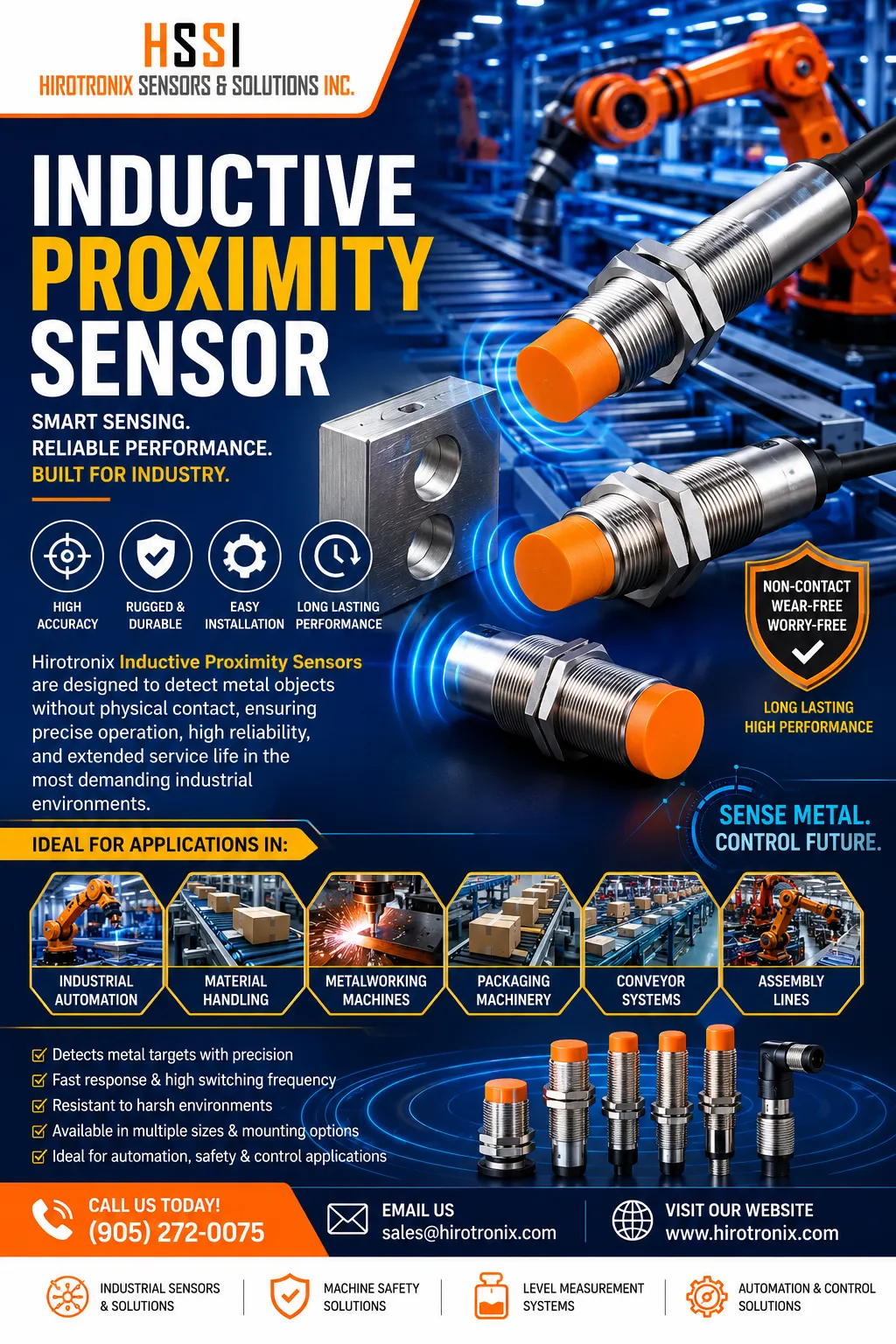
Among various sensing technologies, an inductive proximity sensor performs reliably in demanding industrial environments. It detects metallic objects without physical contact, making it suitable for position detection, motion monitoring, and automated control systems.
Since contact does not occur during operation, sensor wear remains minimal. Reliable detection improves machine accuracy while reducing unnecessary mechanical stress. Combined with modern safety solutions, these sensors support stable production and safer operating conditions.
Early Fault Detection Reduces Operational Risks
Small mechanical problems rarely remain small for long. Slight vibration, unusual temperature increases, or inconsistent movement often indicate developing equipment issues.
Continuous monitoring allows maintenance personnel to investigate these warning signs before major failures develop. Intelligent monitoring systems identify abnormal operating patterns quickly, allowing maintenance activities during scheduled downtime instead of emergency shutdowns.
Early intervention protects valuable equipment while reducing repair expenses. It also supports consistent production quality by maintaining stable machine performance throughout daily operations.
Machine Safety and Productivity Work Together
Some organizations mistakenly assume stronger safety measures reduce productivity. Modern industrial environments demonstrate exactly the opposite.
Well-designed safety solutions support uninterrupted production by reducing accidents, minimizing emergency shutdowns, and protecting valuable equipment. Operators work with greater confidence when machines include dependable protection systems.
Safe equipment also experiences fewer damage-related interruptions. This balanced approach improves production efficiency while supporting employee wellbeing across every shift.
Automation Improves Operational Reliability
Automation reduces dependence on manual intervention during repetitive industrial processes. Automated monitoring systems respond faster than manual inspections and operate continuously without interruption.
Smart controllers analyze sensor information and initiate protective actions whenever abnormal conditions appear. Equipment may slow down, stop safely, or notify maintenance personnel depending on operating requirements.
An inductive proximity sensor often supports automated positioning systems, conveyor operations, robotic equipment, packaging lines, and material handling processes. Accurate detection improves operational consistency while reducing unnecessary equipment movement.
Training Supports Intelligent Protection
Technology performs best when supported by knowledgeable operators and maintenance personnel.
Employees benefit from regular training covering equipment operation, preventive maintenance, safety procedures, and emergency response protocols. Clear documentation also improves consistency across different production shifts.
Maintenance teams should understand warning indicators generated by monitoring systems and respond appropriately before problems escalate. Strong training programs complement safety solutions, creating a more reliable production environment.
Data Driven Maintenance Decisions
Modern industrial facilities collect significant amounts of equipment performance data every day. This information supports informed maintenance planning instead of relying solely on fixed maintenance intervals.
Historical operating trends identify recurring issues, equipment weaknesses, and seasonal performance changes. Maintenance managers use these insights to prioritize inspections and allocate resources more effectively.
Reliable operational data also supports investment decisions regarding equipment upgrades, replacement schedules, and process improvements.
Benefits of Intelligent Machine Protection
Organizations investing in intelligent protection experience several operational advantages.
- Reduced unplanned downtime.
- Lower maintenance expenses.
- Longer equipment service life.
- Improved operator safety.
- Better production consistency.
- Higher product quality.
- Stronger operational efficiency.
- More accurate maintenance scheduling.
- Reduced emergency repairs.
- Greater equipment reliability supported by safety solutions.
Each improvement contributes toward stable production and stronger long-term business performance.
Building a Long-Term Protection Strategy
Reducing downtime requires continuous improvement rather than isolated maintenance activities.
Organizations benefit from combining preventive maintenance, predictive monitoring, employee training, regular inspections, and advanced sensing technologies into a unified strategy. Equipment assessments should remain consistent, while maintenance schedules should evolve according to actual operating conditions instead of fixed assumptions.
Industrial facilities also benefit from selecting reliable components designed for demanding operating environments. Technologies such as an inductive proximity sensor improve machine monitoring while supporting dependable automation performance across multiple applications.
Regular performance reviews help maintenance teams identify improvement opportunities before recurring issues affect production.
Conclusion
Reliable operations depend on preparation, consistent maintenance, and intelligent monitoring rather than reacting after equipment fails. Every improvement in machine protection contributes toward stronger productivity, lower operating costs, and safer working conditions.
Modern safety solutions support proactive maintenance strategies that reduce unexpected downtime while improving equipment reliability across industrial environments. Combined with dependable technologies such as an inductive proximity sensor, organizations strengthen operational performance and create production systems that remain efficient, dependable, and ready for future growth.























Sign in to leave a comment.