

India is experiencing a significant shift in the way we approach mobility, and at the heart of this change are electric vehicles (EVs). As concerns about air pollution, rising fuel prices, and climate change continue to grow, the shift to electric mobility has become an urgent necessity. The Indian government, businesses, and consumers alike are recognizing the importance of transitioning to electric vehicles to create a cleaner, greener tomorrow.
The Rise of Electric Vehicles in India
India's electric vehicle market is booming, and cities like Delhi, Mumbai, and Bengaluru are at the forefront of this change. While India has a long way to go to fully embrace EVs, the recent push toward cleaner transportation systems is undeniable. A combination of favorable policies, rising consumer awareness, and the development of EV infrastructure has paved the way for a promising future for electric mobility in India.
Delhi’s Role in the EV Revolution
Delhi, one of the most polluted cities globally, has taken bold steps to reduce emissions and encourage greener alternatives. The Delhi Electric Vehicle Policy (EV Policy), introduced in 2020, offers incentives to individuals and businesses purchasing electric vehicles. These incentives include tax rebates, exemptions from road taxes and registration fees, and subsidies for both electric cars and charging stations.
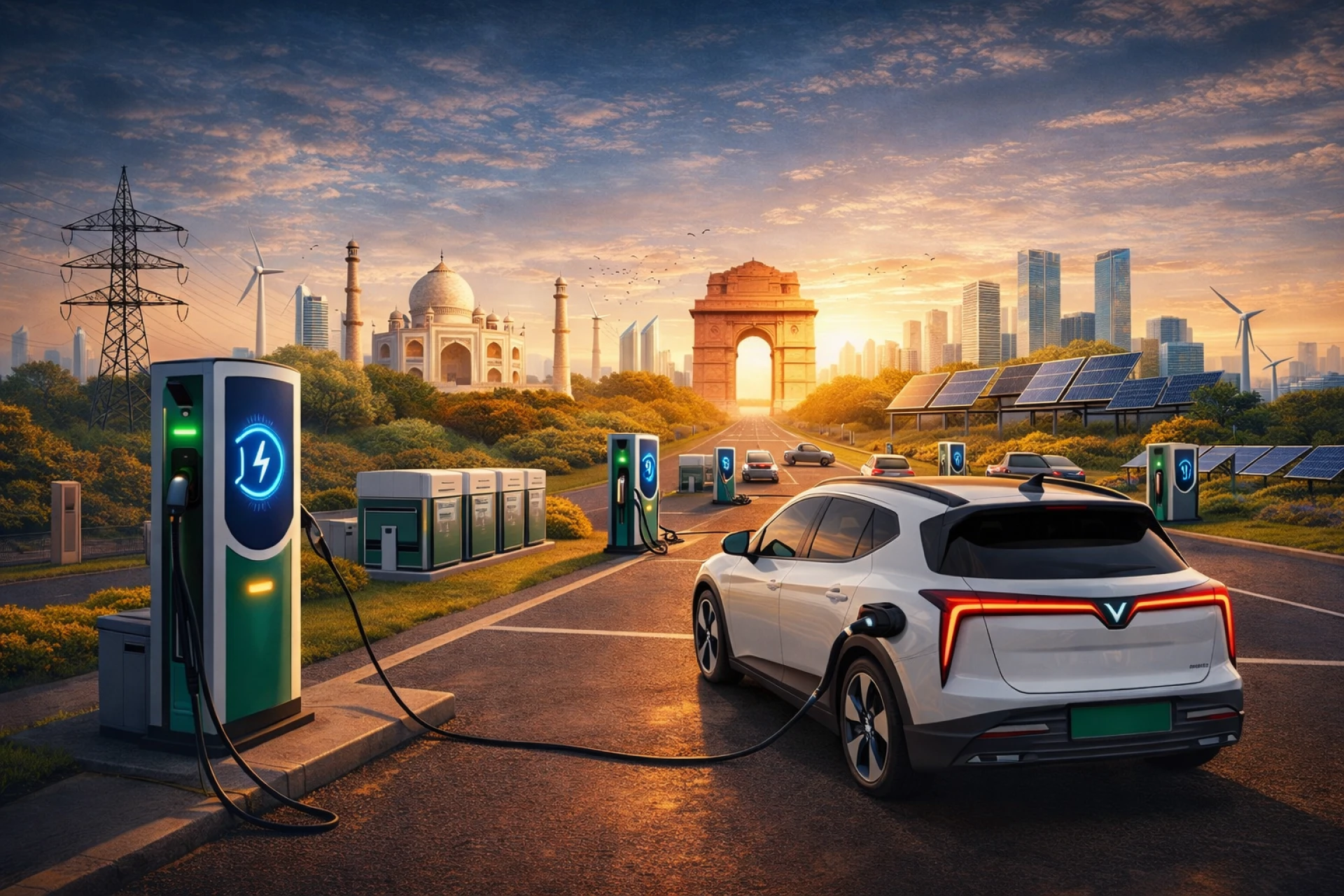
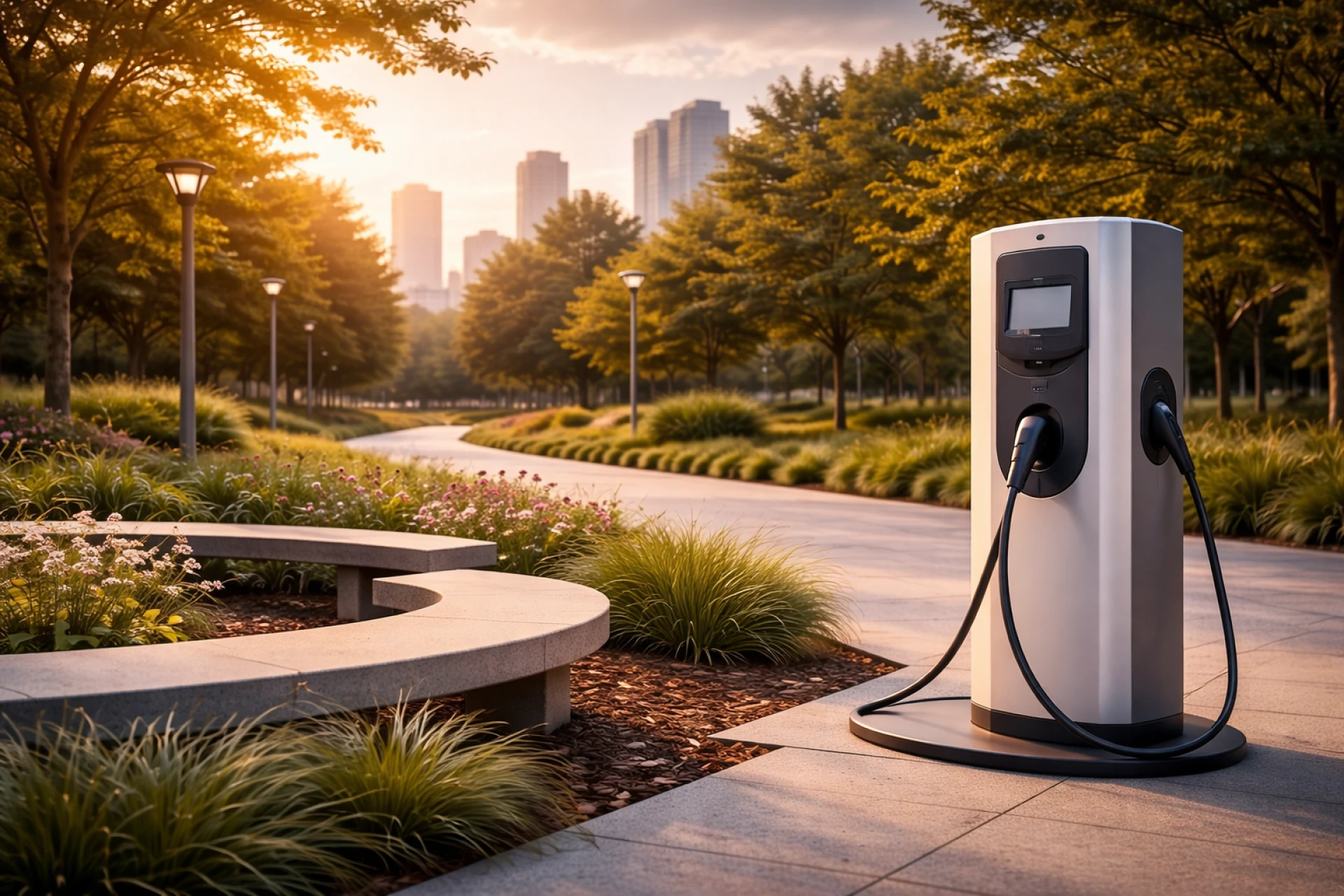
This policy has been crucial in promoting the use of EVs in Delhi, where residents and businesses are increasingly making the switch to electric mobility. Delhi’s efforts to increase the number of charging stations across the city are also helping reduce concerns about range anxiety. As a result, more residents are choosing EVs, contributing to cleaner air and a more sustainable urban environment.
EVs Are Better than ICE Cars
One of the most significant advantages of electric vehicles (EVs) over internal combustion engine (ICE) cars is their efficiency and environmental impact. EVs run on electricity, which can be sourced from renewable energy, whereas ICE cars rely on fossil fuels like petrol and diesel, contributing to harmful emissions and global warming. The shift to EVs can significantly reduce greenhouse gas emissions and reliance on oil, making them a cleaner alternative for future mobility.
Another advantage of EVs over ICE cars is maintenance costs. EVs have fewer moving parts compared to traditional gasoline or diesel cars, meaning less wear and tear over time. This results in lower maintenance costs for the vehicle owner, as EVs don’t require oil changes, exhaust system maintenance, or complex engine repairs. Over the lifespan of the car, these savings can add up, making EVs not only eco-friendly but also financially advantageous for consumers.
Decreasing Costs
As battery technology improves and manufacturing costs decrease, the price of electric vehicles will continue to fall, making them more affordable for Indian consumers. The government’s ongoing incentives and initiatives are expected to further reduce the financial burden on EV buyers, especially for those purchasing new EV cars in Ludhiana and other regions.
Conclusion
The future of electric vehicles in India is incredibly promising. As cities like Delhi set a benchmark for electric mobility. With government incentives, improving infrastructure, and growing consumer awareness, India is well on its way to becoming a global leader in the electric vehicle market.

























Sign in to leave a comment.