
Electrical systems tend to sit quietly in the background. Lights switch on, appliances run as expected, and most people rarely give much thought to what is happening behind the walls. It is only when something stops working, or worse, becomes unsafe, that attention shifts to the wiring, circuits, and components that keep everything running.
Taking a closer look at electrical maintenance shows that it is not just about fixing faults. It is about preventing them in the first place. Regular checks and ongoing care may help reduce risks, improve efficiency, and support the long-term reliability of both residential and commercial properties.
What Electrical Maintenance Involves
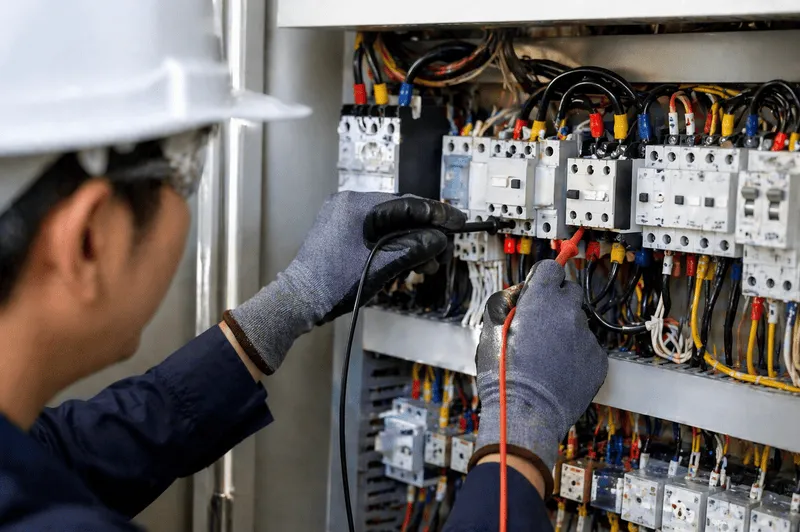
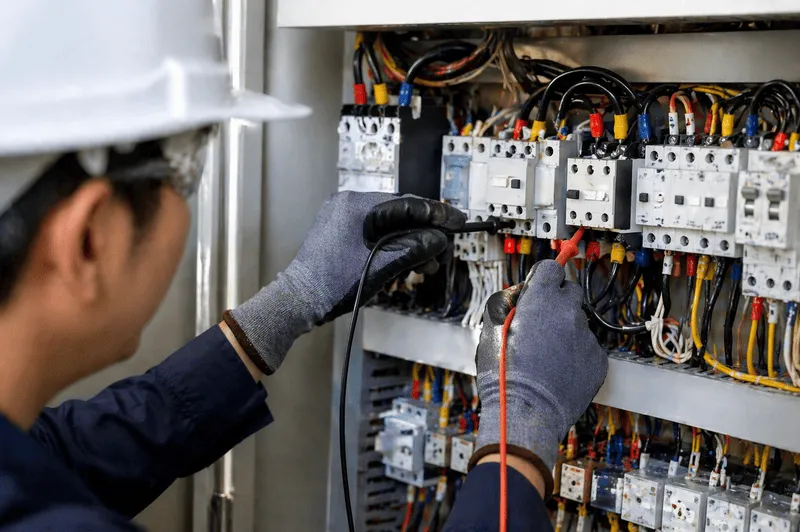
Electrical maintenance covers a range of activities that aim to keep systems functioning safely and efficiently. This may include inspecting wiring, testing circuits, checking switchboards, and ensuring safety devices such as circuit breakers and residual current devices are working correctly.
It also involves identifying early signs of wear. Loose connections, ageing components, or overloaded circuits may not always be obvious, but they can lead to larger issues if left unchecked.
For property owners wanting a clearer understanding of what is included, reviewing options like electrical maintenance may help outline the scope of services typically available.
Why Regular Maintenance Is Often Overlooked
It is common for electrical systems to be taken for granted. If everything appears to be working, there may not seem to be any immediate reason to organise inspections or servicing.
However, electrical systems do not always show visible signs of deterioration. Wiring may degrade over time, connections may loosen, and components may wear down gradually. Without routine checks, these issues may go unnoticed until they cause disruption or pose a safety risk.
In many cases, preventative maintenance is less about responding to problems and more about reducing the likelihood of them occurring at all.
Safety as a Primary Consideration
One of the main reasons electrical maintenance remains important is safety. Faulty wiring, overloaded circuits, or damaged equipment may increase the risk of electrical faults or fire hazards.
Regular inspections may help identify these risks early. Safety switches and circuit breakers can be tested to ensure they operate as intended. Any areas of concern can be addressed before they develop into more serious problems.
For both homes and workplaces, maintaining a safe electrical environment supports not only property protection but also the wellbeing of the people using the space.
Supporting Efficiency and Performance
Beyond safety, maintenance also plays a role in how efficiently a system operates. Electrical components that are not functioning properly may consume more energy or place unnecessary strain on other parts of the system.
For example, poor connections or outdated equipment may lead to inefficiencies that increase energy usage over time. While the impact may not be immediately noticeable, it can add up.
Engaging in electrical maintenance services may help ensure that systems continue to operate as intended, supporting both performance and energy management.
Electrical Maintenance in Residential Properties
In a home setting, electrical maintenance often focuses on ensuring that everyday systems remain safe and reliable.
This may include checking power points, lighting circuits, switchboards, and safety devices. Older homes, in particular, may benefit from inspections to ensure that wiring meets current standards and can handle modern electrical demands.
Households now rely on a wide range of devices, from kitchen appliances to entertainment systems and home offices. Ensuring that the electrical infrastructure can support these demands is part of maintaining a functional living space.
The Role of Maintenance in Commercial Environments
For businesses, electrical systems are closely tied to operations. Any disruption may affect productivity, customer experience, or safety.
Commercial properties often have more complex systems, including specialised equipment, large-scale lighting, and multiple circuits supporting different areas. This increases the need for regular inspections and servicing.
Routine checks may help minimise downtime by identifying potential issues before they cause interruptions. In some cases, maintenance may also support compliance with safety standards and workplace regulations.
Exploring options such as routine electrical maintenance may help businesses manage these responsibilities more effectively.
Signs That Maintenance May Be Needed
While regular servicing is ideal, there are also signs that may indicate the need for attention.
Flickering lights, frequently tripping circuit breakers, or unusual noises from electrical components may point to underlying issues. Warm or discoloured outlets and switches can also signal potential problems.
Even small changes in how a system behaves should not be ignored. Addressing these signs early may prevent more significant faults from developing.
How Technology Is Changing Electrical Maintenance
Advances in technology are influencing how electrical systems are monitored and maintained.
Smart systems now allow for remote monitoring of energy usage and system performance. This may help identify irregular patterns that suggest potential issues. In some cases, alerts can be generated when something falls outside of expected parameters.
While traditional inspections remain important, these tools may provide an additional layer of awareness, helping property owners stay informed about the condition of their systems.
Planning for Long Term Reliability
Electrical maintenance is not a one-off task. It is an ongoing process that supports the long-term reliability of a property.
Developing a maintenance schedule may help ensure that inspections and servicing are carried out consistently. This approach allows for gradual wear and changes in usage to be managed over time.
It also provides an opportunity to plan upgrades where needed. As technology evolves and energy demands shift, maintaining and updating systems helps keep them aligned with current requirements.
A Practical Approach to Everyday Systems
Most people rely on electricity without giving it much thought. It powers daily routines, supports work, and keeps homes comfortable.
Taking a proactive approach through electrical maintenance may help ensure that this reliability continues. It is less about reacting to problems and more about maintaining a steady and dependable system.
By focusing on regular care, safety checks, and ongoing improvements, property owners may reduce risks and support better performance over time.
Looking Ahead at Electrical Maintenance
As homes and businesses continue to adopt new technologies, the role of electrical systems will only become more significant.
From smart appliances to energy-efficient solutions, the demands placed on these systems are evolving. Maintenance will remain an important part of managing these changes, ensuring that systems can support new requirements without compromising safety or performance.
Electrical maintenance, in this sense, is not just about the present. It is about preparing for what comes next.




























Sign in to leave a comment.