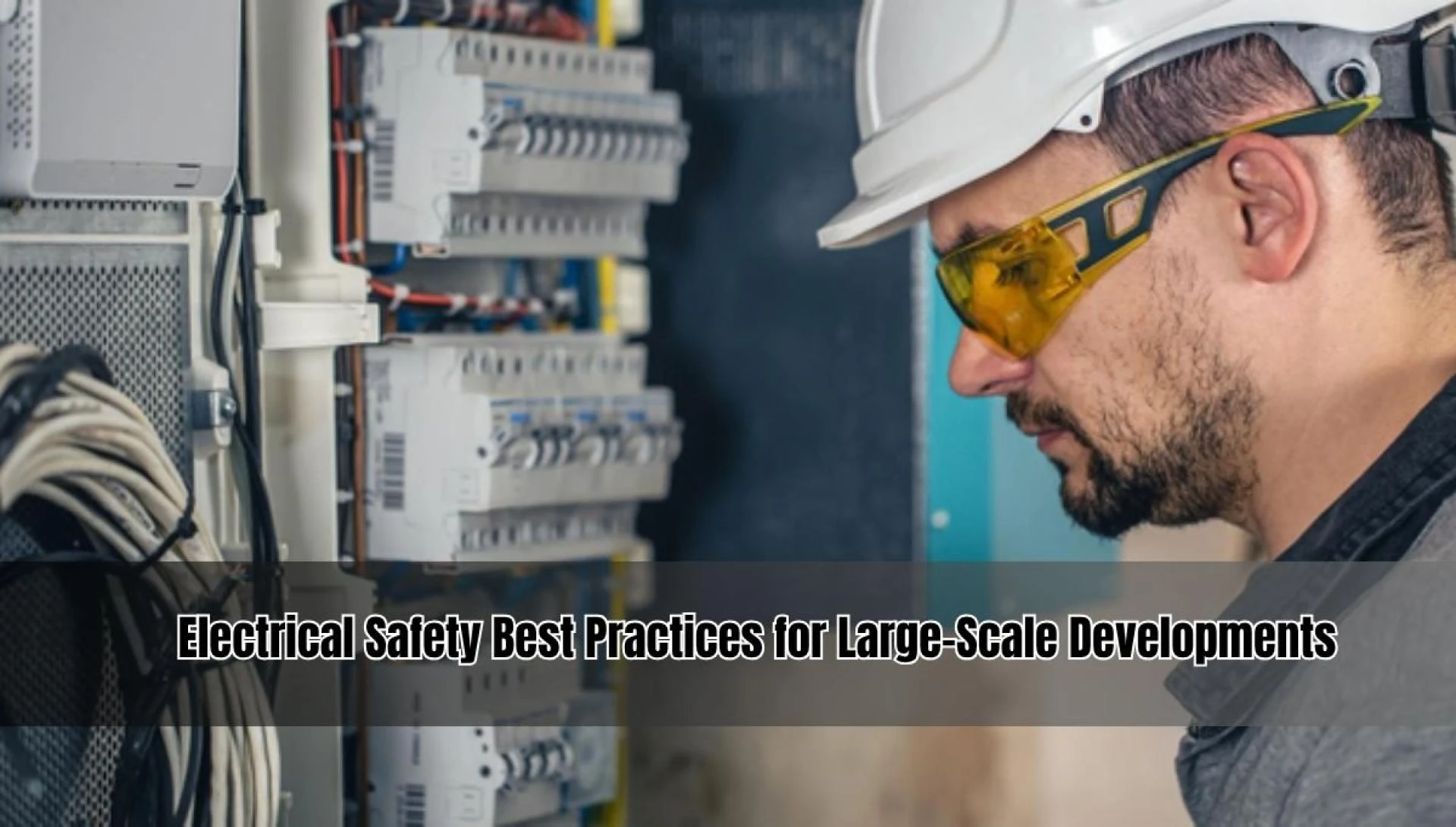

In today’s world of rapid urbanization and large-scale infrastructure projects, electrical systems are the backbone of modern developments. From commercial complexes and industrial plants to residential townships and mixed-use facilities, reliable electrical design and safety are critical to ensure smooth operation and the protection of people and assets. Electrical hazards not only pose risks to human life but can also cause significant downtime, equipment damage, and financial losses. Therefore, implementing comprehensive electrical safety best practices is essential throughout the planning, design, installation, and maintenance stages of any large-scale project. Experienced MEP consultants in Chennai play a vital role in achieving these safety standards through well-coordinated design and efficient project execution.
1. Prioritize Safety in the Design Phase
Electrical safety begins long before the first cable is laid or switchgear is installed. The design stage is where safety frameworks are built. Engineers must conduct detailed load analysis, short-circuit studies, and protection coordination to ensure systems are capable of handling expected electrical loads without overloading or overheating. Incorporating redundancy and fail-safe mechanisms can prevent power interruptions during faults. Using Building Information Modeling (BIM) in electrical design also enhances coordination among various services—HVAC, plumbing, and fire protection—minimizing clashes and ensuring safe routing of electrical conduits.
2. Compliance with Standards and Codes
Adhering to national and international electrical standards is a non-negotiable aspect of safety. Standards such as the National Electrical Code (NEC), IEC standards, and local electrical regulations ensure systems are designed and installed to meet minimum safety benchmarks. Compliance not only protects against electrical hazards but also ensures legal and insurance coverage. Periodic updates to these codes reflect new technologies and safety insights, so engineers and contractors must stay informed and adapt accordingly.
3. Quality Components and Proper Installation
No matter how well-designed a system is, safety can be compromised if inferior materials or poor workmanship are involved. Using certified cables, switchgear, circuit breakers, and grounding components from reputable manufacturers is crucial. Proper installation practices—like ensuring correct wire sizing, torque tightening, and labeling—help prevent future electrical faults. During large-scale projects, multiple teams often work simultaneously, which makes strict supervision and adherence to quality checks essential.
4. Effective Grounding and Bonding
Grounding is one of the most critical aspects of electrical safety. It provides a path for fault current to flow safely into the earth, reducing the risk of electric shock and fire. In large developments, grounding systems must be properly designed and tested to maintain low resistance. Bonding ensures that all metallic parts are at the same potential, preventing voltage differences that could cause dangerous shocks. Regular inspection and testing of grounding resistance should be part of every maintenance plan.
5. Regular Testing and Maintenance
Electrical safety is not a one-time activity—it requires continuous attention. Routine inspection and preventive maintenance of electrical systems are vital for identifying potential issues before they become serious hazards. Testing insulation resistance, checking protective relays, and inspecting circuit breakers for wear and tear can prevent system failures. Thermographic scanning is another effective method to detect hotspots in cables or switchboards, allowing for timely repairs. A well-maintained system not only ensures safety but also extends equipment life and reduces operational costs.
6. Arc Flash and Overcurrent Protection
Arc flashes are one of the most severe electrical hazards in large facilities. They occur when a high-energy discharge passes through air between conductors or to the ground. Implementing arc flash studies helps identify risk zones and determine safe working distances. Installing protective relays, current-limiting fuses, and arc-flash-rated switchgear can minimize damage. Clearly labeling electrical panels with arc-flash boundaries and required personal protective equipment (PPE) ensures that workers are aware of the risks before performing maintenance.
7. Training and Safety Awareness
Even the most advanced electrical systems can become dangerous if operated by untrained personnel. Regular safety training and awareness programs for engineers, electricians, and maintenance teams are essential. Training should include understanding system schematics, safe lockout/tagout (LOTO) procedures, emergency shutdown protocols, and first aid for electrical accidents. Promoting a safety-first culture ensures that everyone on site takes responsibility for maintaining safe work environments.
8. Emergency Preparedness and Risk Assessment
A robust emergency response plan is a key part of electrical safety management. Large developments must have clear evacuation routes, emergency lighting, and fire suppression systems. Regular risk assessments should be conducted to identify vulnerable areas—such as electrical rooms, substations, and control panels—and mitigation measures should be updated accordingly. Simulated emergency drills help test the effectiveness of the response system and ensure personnel are well-prepared in case of incidents.
9. Integration of Smart Monitoring Systems
Modern large-scale developments are increasingly integrating smart technologies to enhance electrical safety. IoT-enabled monitoring systems can track voltage, current, and temperature in real time, alerting operators to potential faults before they escalate. Predictive maintenance systems use data analytics to forecast failures, reducing the risk of unplanned outages. Incorporating automation in electrical safety management not only improves reliability but also enables data-driven decision-making.
10. Documentation and Audit Trails
Comprehensive documentation is often overlooked but plays a major role in maintaining safety compliance. Recording electrical drawings, maintenance logs, inspection reports, and incident records provides a clear audit trail for authorities and management. It ensures accountability and makes troubleshooting faster during breakdowns or audits. Digital documentation tools further simplify data storage and access, ensuring that all safety information remains updated and traceable.
Conclusion
Electrical safety in large-scale developments is not a one-time checklist—it’s a continuous process that evolves with technology, regulations, and operational needs. From careful design and component selection to ongoing maintenance and staff training, every step plays a vital role in ensuring a safe and reliable electrical infrastructure. Expert guidance from experienced MEP consultants in Bangalore can make a significant difference in this process, as they bring technical expertise, modern safety practices, and regulatory knowledge to large-scale projects. Prioritizing safety not only protects human lives but also enhances the project’s long-term sustainability and operational efficiency. When safety becomes an integral part of every decision, large-scale developments can thrive with both power and peace of mind.


























Sign in to leave a comment.