

The Energy Corridor is one of Houston's most desirable neighborhoods, with a mix of older homes and newer construction that each present unique electrical challenges. Whether you're dealing with aging wiring in a decades-old property or managing the high electrical demands of a modern smart home, safety should always be the top priority. Reviewing a reliable resource like electrician energy corridor houston can help homeowners understand the specific electrical concerns common to this area.
Houston's heat, humidity, and severe storm season put extra stress on residential electrical systems. Power surges, moisture intrusion, and overloaded circuits are everyday realities for families living along the Energy Corridor. The good news is that most electrical hazards are preventable with the right knowledge and regular maintenance.
This guide walks through practical, actionable safety tips that every Energy Corridor homeowner should know, from spotting warning signs early to understanding when professional help is necessary.
Common Electrical Hazards in Energy Corridor Homes
Before you can protect your home, you need to understand what you're up against. Energy Corridor properties face a few recurring electrical risks that are worth knowing about.
Outdated Wiring and Panels
Many homes built in the 1970s and 1980s along the Energy Corridor still use original wiring and electrical panels that weren't designed for today's power demands. Federal Pacific and Zinsco panels, for example, are known to have high failure rates and are still found in older Houston homes.
If your home has never had an electrical panel installation or upgrade, it may be running on a system that can't safely handle modern appliances, EV chargers, or HVAC systems. A licensed electrician can evaluate whether your panel and wiring meet current code requirements.
Overloaded Circuits and Extension Cord Misuse
Plugging too many devices into a single circuit is one of the most common causes of residential fires. It's especially tempting in older homes that have fewer outlets per room.
Avoid daisy-chaining power strips or running extension cords as permanent solutions. If you consistently need more outlets, the real fix is having additional circuits and receptacles installed by a qualified electrical contractor.
Warning Signs Every Homeowner Should Recognize
Electrical problems rarely appear out of nowhere. They usually give clear warning signs before becoming dangerous. Here are the ones to watch for:
- Flickering or dimming lights, especially when appliances kick on
- A burning smell near outlets, switches, or the electrical panel
- Circuit breakers that trip repeatedly
- Outlets or switch plates that feel warm to the touch
- Discolored or scorched outlet covers
- A buzzing or humming sound from the panel or walls
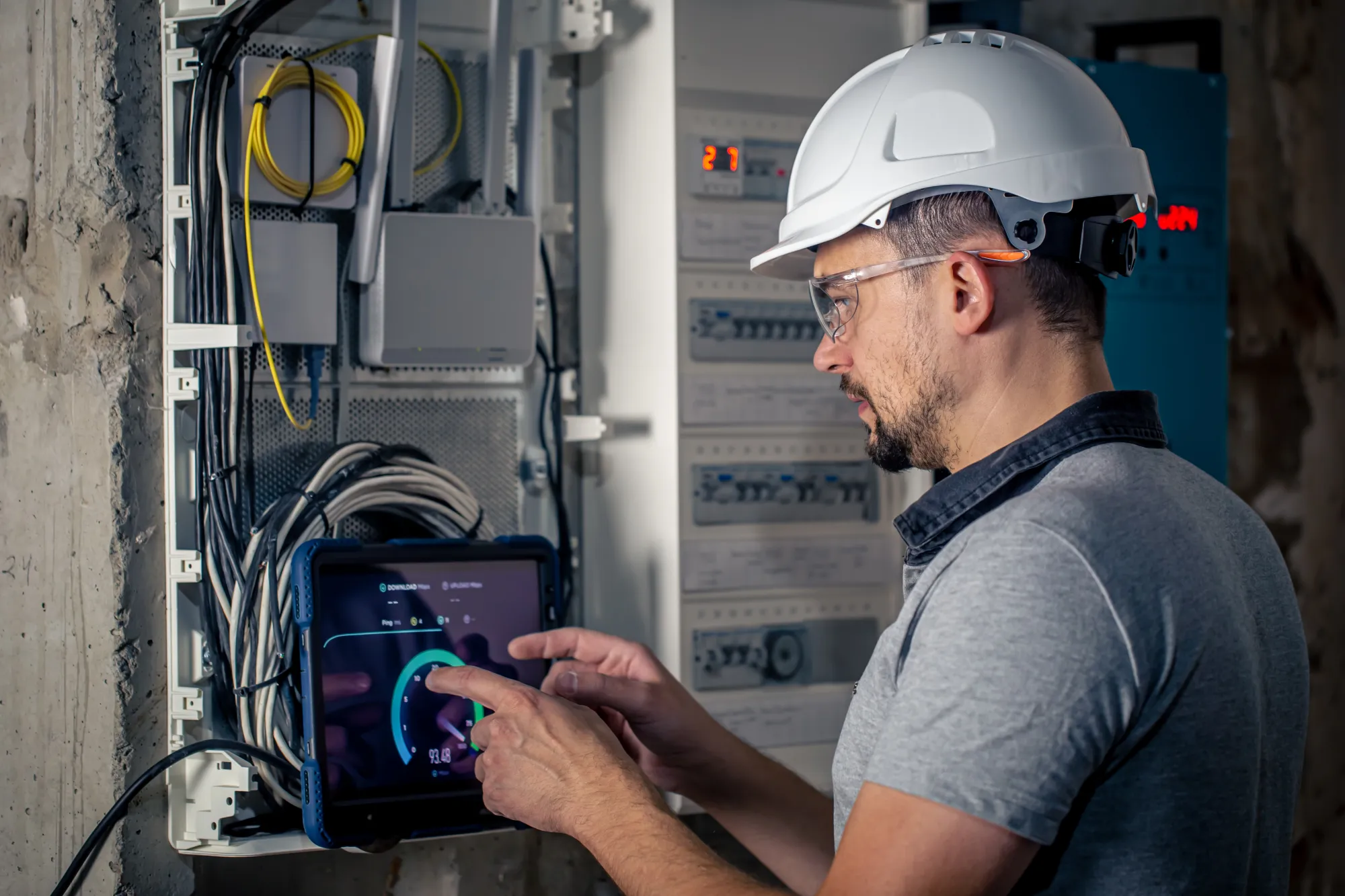
Any one of these symptoms warrants a professional electrical inspection. Ignoring them can lead to fires, shock hazards, or costly damage to your home's wiring. Electrical troubleshooting should always be handled by someone with proper training and licensing, not attempted as a DIY project.
Storm Season Preparedness for Energy Corridor Residents
Houston's storm season brings high winds, heavy rain, and frequent power outages. For Energy Corridor homeowners, electrical preparedness can make the difference between a minor inconvenience and a serious safety event.
Surge Protection and Backup Power
A whole-home surge protector is one of the smartest investments you can make. Power surges from lightning strikes or grid fluctuations can destroy sensitive electronics and damage appliances in seconds.
Whole-home generators are also increasingly popular in the Energy Corridor. If you're considering one, make sure the installation includes a proper transfer switch so your generator doesn't backfeed into the utility grid, which is both illegal and extremely dangerous.
What to Do During and After a Power Outage
During an outage, turn off major appliances to prevent a surge when power returns. Use battery-powered flashlights instead of candles. Never run a generator indoors or in an enclosed garage.
After the power comes back, watch for signs of electrical damage like tripped breakers, sparking outlets, or a burning smell. If anything seems off, call a emergency electrician right away rather than trying to reset breakers or inspect wiring yourself. A power outage electrician in Houston can assess whether storm damage has compromised your home's electrical system.
Routine Electrical Maintenance That Prevents Problems
The best way to avoid electrical emergencies is to stay ahead of them with regular maintenance. Here's a simple checklist that applies to most Energy Corridor homes:
- Schedule a professional electrical inspection every 3 to 5 years, or immediately after buying an older home
- Test all GFCI outlets monthly by pressing the test and reset buttons
- Check for loose outlets or switches and have them tightened or replaced
- Keep your electrical panel accessible and clearly labeled
- Replace any damaged or frayed cords immediately
- Ensure outdoor outlets and fixtures are rated for wet locations
Residential electrical services in the Energy Corridor area often include maintenance plans that cover annual inspections, circuit breaker testing, and panel evaluations. These plans can catch small issues before they become expensive or dangerous.
When to Call a Licensed Electrician in Houston TX
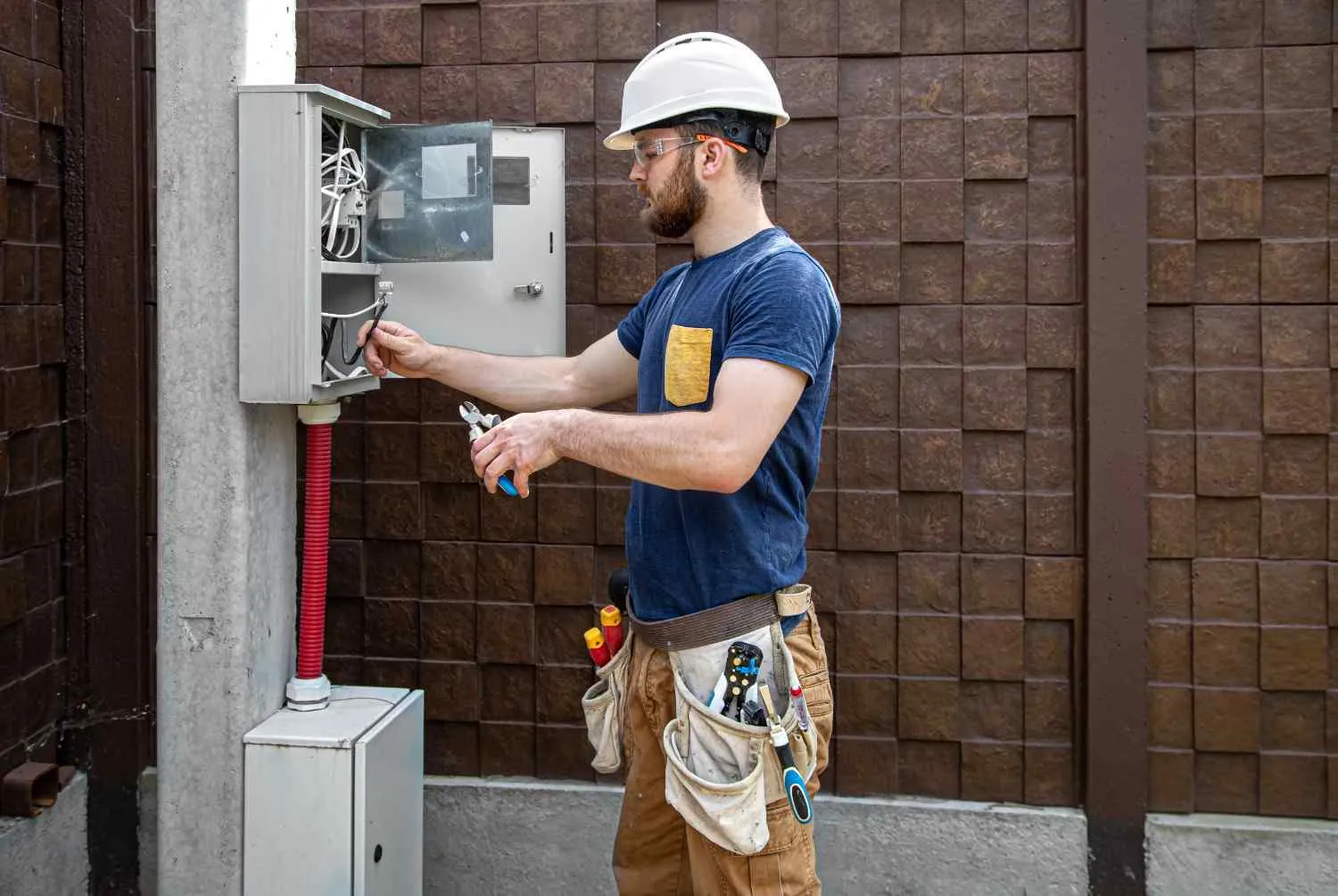
Not every electrical task requires a professional, but many do. As a general rule, if it involves your electrical panel, wiring inside walls, or any 240-volt circuit, leave it to a licensed electrician.
Here are situations that always call for professional help:
- Adding or relocating outlets and switches
- Upgrading your electrical panel to handle increased loads
- Installing ceiling fans, light fixtures with complex wiring, or EV charging stations
- Addressing persistent circuit breaker trips
- Any work that requires a city permit or inspection
A certified electrician in the Energy Corridor area will pull the proper permits, follow local building codes, and ensure the work passes inspection. Cutting corners on electrical work creates liability issues and genuine safety risks for your family.
Energy Efficient Electrical Upgrades Worth Considering
Safety and efficiency go hand in hand. Upgrading outdated electrical components not only reduces hazard risk but can also lower your monthly energy bills.
LED lighting retrofits, smart thermostats, and programmable timers reduce unnecessary power consumption. Dedicated circuits for high-draw appliances prevent overloading and improve overall system performance.
Energy efficient electrical solutions in Houston are especially valuable given the long cooling season. Running your HVAC on an undersized or overloaded electrical system wastes energy and shortens equipment life. A properly sized panel with balanced power distribution keeps everything running safely and efficiently.
Electrical safety in the Energy Corridor starts with awareness and follows through with action. Knowing the warning signs, staying current on maintenance, and understanding when to bring in a professional can protect both your home and your family.
Houston's climate and storm activity add extra pressure to residential electrical systems, making regular inspections and upgrades more important than in milder regions. Whether your home is five years old or fifty, taking a proactive approach to electrical safety is always worth the effort.
Stay informed, stay safe, and never hesitate to call a qualified professional when something doesn't look or feel right with your home's electrical system.
Frequently Asked Questions
1. How often should I have my home's electrical system inspected?
Most homes should have a professional electrical inspection every 3 to 5 years, or immediately after purchasing an older property.
2. What are the signs of an electrical problem in my house?
Flickering lights, warm outlets, burning smells near switches, and circuit breakers that trip repeatedly are all signs you should call a licensed electrician.
3. Do I need a whole-home surge protector in Houston?
Yes, a whole-home surge protector is highly recommended in Houston due to frequent lightning storms and power grid fluctuations that can damage electronics and appliances.






























Sign in to leave a comment.