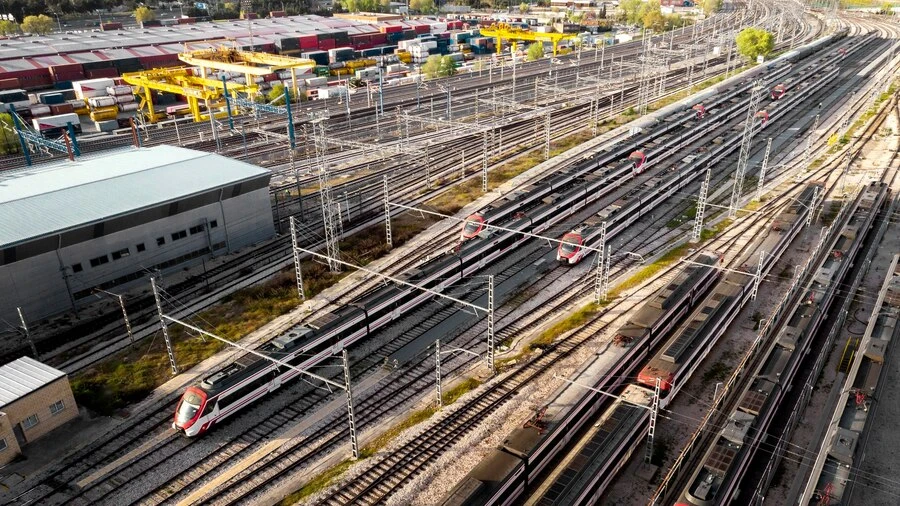

Electronic Interlocking System in Railways: Revolutionizing Railway Safety and Efficiency
Railway signaling has evolved significantly over the years, with technological advancements ensuring safer and more efficient train operations. Among these innovations, the Electronic Interlocking System in Railways has transformed railway signaling, replacing traditional relay-based systems with state-of-the-art digital technology. EIS enhances safety, minimizes human errors, and streamlines railway network operations.
Understanding the Electronic Interlocking System
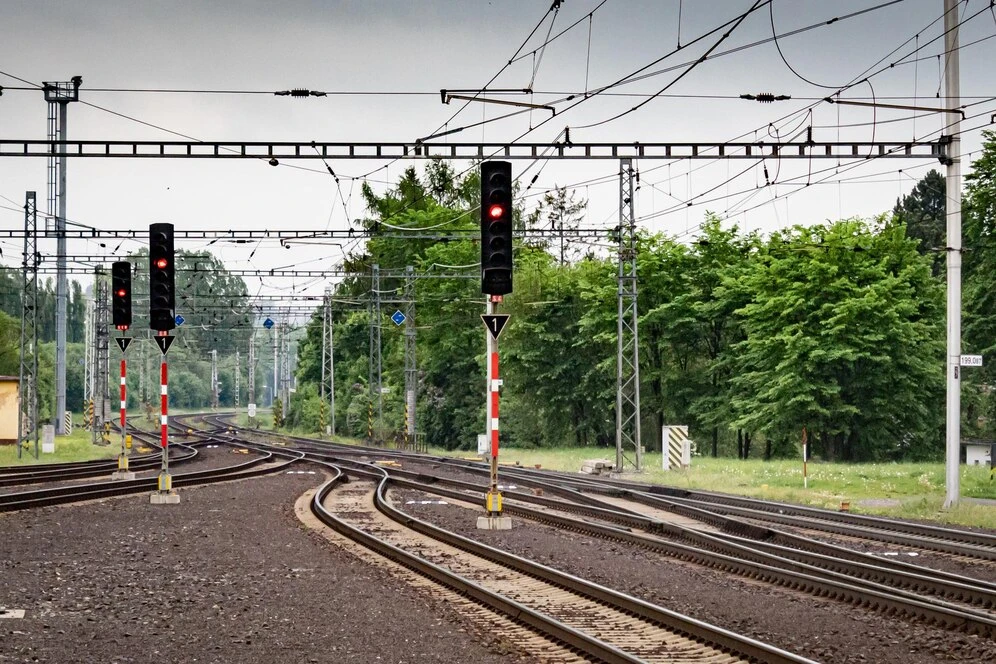
The Electronic Interlocking System (EIS) is a computerized railway signaling system designed to manage the safe movement of trains through junctions, crossings, and stations. It functions by controlling signals and points electronically, ensuring that conflicting train movements do not occur. Unlike conventional relay interlocking, which relies on complex wiring and mechanical relays, EIS leverages microprocessors and fail-safe logic to enhance operational reliability and reduce maintenance costs.
Key components of an EIS include:
- Interlocking Controllers: Microprocessor-based systems that process interlocking logic.
- Field Interfaces: Devices that communicate between interlocking controllers and railway trackside elements such as points and signals.
- Redundant Architecture: Fail-safe mechanisms to ensure system reliability.
- Human-Machine Interface (HMI): Provides real-time monitoring and control for railway operators.
Verification and Validation in Interlocking Systems
Verification and Validation in Interlocking Systems are crucial in the development and deployment of railway interlocking systems. They ensure that the system meets safety requirements and operates as intended under all conditions. The V&V process includes:
- Requirement Analysis: Evaluating technical specifications to ensure compliance with safety standards.
- System Verification: Conducting rigorous tests at different stages of development, including factory acceptance tests (FAT) and site acceptance tests (SAT).
- Validation Testing: Ensuring that the system functions correctly in real-world railway environments.
- Independent Verification: External assessments to guarantee safety and adherence to industry regulations.
Sensedge, a leader in railway automation solutions, specializes in the verification and validation of electronic interlocking systems, ensuring seamless and fail-safe railway operations.
Role of Railway Automation Companies in Interlocking Systems
Railway automation companies play a pivotal role in modernizing railway infrastructure. These companies develop cutting-edge solutions, integrating advanced digital interlocking, real-time monitoring, and predictive maintenance technologies to enhance operational efficiency.
Companies like Sensedge are at the forefront of Railway Automation Companies, providing robust interlocking solutions tailored to the specific needs of rail operators. Their expertise in safety-critical systems, automation software, and independent validation services makes them a trusted partner in railway modernization projects.
Railway Signal Interlocking Logic Simulation System
Simulation is an integral part of designing and testing railway interlocking systems. A Railway Signal Interlocking Logic Simulation System helps engineers model, analyze, and optimize interlocking logic before deployment. This system:
- Reduces testing time by identifying errors in interlocking logic early.
- Enhances safety by simulating various failure scenarios.
- Optimizes efficiency by testing different routing configurations.
- Improves training by providing a virtual environment for operators and engineers.
Sensedge specializes in developing advanced railway interlocking simulation tools, ensuring that new signaling systems meet the highest safety and performance standards before implementation.
The Future of Electronic Interlocking Systems
The future of railway signaling lies in continued digital transformation. Emerging trends in electronic interlocking systems include:
- Artificial Intelligence (AI) in Interlocking Systems: AI-driven predictive analytics can optimize train movements and enhance failure detection.
- Cloud-based Interlocking Systems: Remote access and monitoring capabilities improve efficiency and maintenance response times.
- Integration with Smart Railway Networks: Interlocking systems will be part of an interconnected railway ecosystem, communicating with other digital railway infrastructure components.
Conclusion
The Electronic Interlocking System is a game-changer in railway signaling, offering enhanced safety, reliability, and operational efficiency. With stringent verification and validation processes, railway automation companies like Sensedge ensure that interlocking systems function flawlessly under real-world conditions. Moreover, the Railway Signal Interlocking Logic Simulation System aids in the design, testing, and training processes, further strengthening railway safety and efficiency.
As the railway industry moves towards full automation and digitalization, companies such as Sensedge will continue to play a crucial role in shaping the future of railway interlocking, ensuring safe, efficient, and intelligent railway networks worldwide.























Sign in to leave a comment.