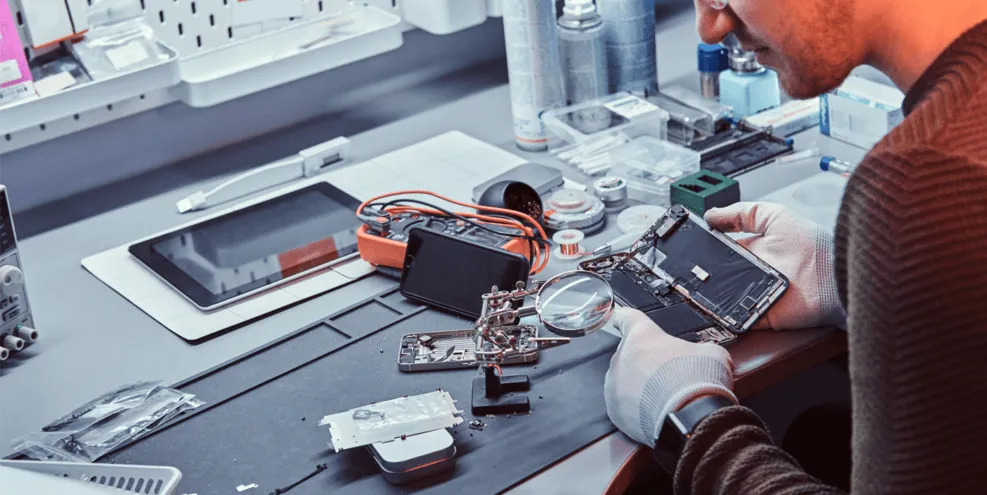

In today’s fast-paced digital world, electronic product development plays a crucial role in transforming ideas into tangible solutions that improve everyday life. From smartphones and wearable devices to smart home systems and advanced medical equipment, the journey of creating electronic products is both complex and fascinating.
What is Electronic Product Development?
Electronic product development is the complete process of designing, creating, testing, and launching electronic devices. It involves a combination of hardware engineering, software development, user experience design, and manufacturing processes. The goal is to deliver a product that is functional, reliable, and aligned with user needs.
Key Stages of Product Development
1. Idea and Concept Development
Every product begins with an idea. This stage involves identifying a problem, researching the market, and conceptualizing a solution. Companies often conduct feasibility studies and competitor analysis to validate their ideas.
2. Design and Prototyping
Engineers and designers collaborate to create initial designs. This includes circuit design, component selection, and software architecture. Prototypes are then developed to test functionality and design concepts.
3. Testing and Validation
Before a product reaches the market, it undergoes rigorous testing. This includes performance testing, safety checks, and compliance with industry standards. Iterations are made based on feedback and test results.
4. Manufacturing and Production
Once the design is finalized, the product moves into mass production. This stage focuses on optimizing manufacturing processes, ensuring quality control, and managing supply chains.
5. Launch and Maintenance
After production, the product is launched into the market. Post-launch, companies continue to provide updates, fix issues, and improve the product based on user feedback.
Emerging Trends in Electronic Product Development
- Internet of Things (IoT): Devices are becoming increasingly interconnected, enabling smarter homes and cities.
- Artificial Intelligence (AI): AI integration enhances functionality, automation, and personalization.
- Miniaturization: Products are becoming smaller, lighter, and more efficient.
- Sustainability: There is a growing focus on eco-friendly materials and energy-efficient designs.
- Rapid Prototyping: Technologies like 3D printing are accelerating development cycles.
Challenges in the Industry
Despite rapid advancements, developers face several challenges:
- Managing complex system integrations
- Ensuring cybersecurity
- Keeping up with fast-changing technologies
- Balancing cost with performance and quality
Conclusion
Electronic product development is at the heart of technological progress. It requires creativity, technical expertise, and continuous innovation. As technology evolves, the demand for smarter, faster, and more sustainable products will continue to grow, making this field more exciting than ever.
Whether you are an engineer, entrepreneur, or tech enthusiast, understanding this process provides valuable insight into how the devices we rely on every day come to life.





























Sign in to leave a comment.