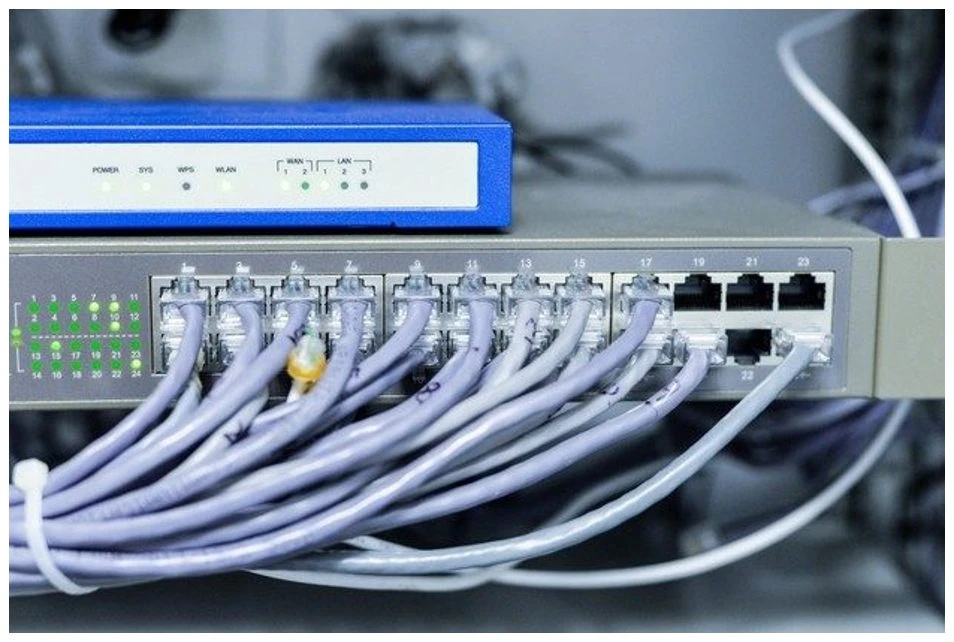

In today’s connected world, networking is no longer one-size-fits-all. Many industries now need custom networking devices built for a specific task rather than a general-purpose router. This is where special purpose router device design and firmware development becomes important.
Unlike regular home or office routers, special purpose routers are designed to solve very specific problems from industrial automation and IoT networks to defense, healthcare, and smart infrastructure. In this blog, we’ll break down what special purpose routers are, how they are designed, and how firmware development plays a key role in their performance.
What Is a Special Purpose Router?
A special purpose router is a networking device created to perform a defined and limited function instead of handling all types of traffic like a consumer router.
Examples include:
- Industrial routers for factory automation
- IoT gateways for sensor networks
- Secure routers for defense or government use
- Edge routers for smart cities and transportation
- Medical-grade routers for hospitals
These routers are optimized for performance, security, reliability, and long-term stability.
Why Design a Special Purpose Router?
Organizations choose special purpose router device design because:
- Higher reliability in harsh environments
- Better security with limited attack surfaces
- Lower power consumption
- Custom interfaces and protocols
- Long product lifecycle support
Standard routers often include unnecessary features that increase complexity and risk. A custom router focuses only on what is required.
Key Stages in Special Purpose Router Device Design
1. Requirement Analysis
The first step is understanding:
- Network protocols needed (Ethernet, LTE, 5G, Wi-Fi, LoRa, etc.)
- Data throughput requirements
- Operating environment (temperature, dust, vibration)
- Security and compliance needs
- Power constraints
Clear requirements ensure the hardware and firmware are built correctly from day one.
2. Hardware Design and Component Selection
Hardware design is the backbone of a special purpose router. It includes:
- Processor selection (ARM, MIPS, or x86 SoC)
- Network interfaces (Ethernet, fiber, cellular modules)
- Memory (RAM, Flash, eMMC)
- Power management circuits
- External connectors and enclosures
The goal is to build stable, efficient, and scalable hardware that supports the firmware perfectly.
3. PCB Design and Prototyping
Once components are selected:
- Schematics are created
- PCB layout is designed for signal integrity
- Prototypes are manufactured and tested
At this stage, performance testing and early debugging begin.
Role of Firmware Development in Special Purpose Routers
Firmware is what makes the router smart, secure, and reliable. Without optimized firmware, even the best hardware cannot perform well.
4. Bootloader Development
The bootloader:
- Initializes hardware
- Loads the operating system
- Supports firmware updates and recovery
A reliable bootloader is critical for devices deployed in remote locations.
5. Operating System and Network Stack
Most special purpose routers use:
- Embedded Linux
- Real-time operating systems (RTOS)
Firmware developers configure:
- Network drivers
- TCP/IP stack
- Firewall rules
- Routing protocols
This ensures fast and stable data transmission.
6. Custom Firmware Features
Firmware development includes building:
- Device configuration interfaces (CLI or web UI)
- VPN and encryption services
- Remote management and OTA updates
- Logging and diagnostics tools
Custom firmware keeps the router lean, secure, and purpose-driven.
7. Security Implementation
Security is a top priority in special purpose router device design and firmware development:
- Secure boot and firmware signing
- Encrypted communication
- Access control and authentication
- Protection against unauthorized updates
Strong firmware security prevents cyber threats and data breaches.
Testing and Validation
Before deployment, routers go through:
- Functional testing
- Stress and performance testing
- Network stability tests
- Security audits
This ensures the device works reliably under real-world conditions.
Industries Using Special Purpose Routers
Special purpose routers are widely used in:
- Industrial automation
- Smart cities and traffic systems
- Energy and utilities
- Healthcare and medical devices
- Defense and aerospace
- Transportation and logistics
Each industry has unique requirements that demand custom device design and firmware development.
Benefits of Custom Router Firmware Development
- Faster boot times
- Reduced memory usage
- Better system stability
- Easier updates and maintenance
- Improved device lifespan
Custom firmware gives full control over the device behavior.
Final Thoughts
Special purpose router device design and firmware development is essential for modern, mission-critical networking applications. By combining carefully designed hardware with optimized firmware, businesses can build secure, reliable, and efficient routers tailored to exact needs.
As industries move toward automation, IoT, and edge computing, custom router solutions will continue to play a key role in building smart and connected systems.



























Sign in to leave a comment.