
The Conversation Nobody Wants to Have
Let's address the elephant in the room—bad breath, or halitosis, affects nearly everyone at some point, yet it remains one of the most socially taboo health topics. I've seen confident executives, charming socialites, and loving grandparents all crumble when confronted with this sensitive issue. The truth? Chronic bad breath isn't a character flaw or a hygiene judgment—it's a biological signal that something in your oral ecosystem needs attention.
Consider this: your mouth houses over 700 species of bacteria, creating a complex microbiome that rivals your gut in diversity. When this ecosystem falls out of balance, certain sulfur-producing bacteria multiply unchecked, releasing volatile sulfur compounds (VSCs) that create that distinctive "rotten egg" odor. The solution isn't masking these compounds with mints—it's restoring ecological harmony through strategic prevention.
Understanding the True Culprits
Before you buy another pack of gum, understand what you're actually fighting against. Bad breath sources fall into distinct categories:
| Source Category | Percentage of Cases | Primary Causes | Characteristic Odor |
|---|---|---|---|
| Oral origin | 85-90% | Poor hygiene, gum disease, tongue coating, dry mouth | Sulfur/rotten egg |
| Dietary factors | 5-10% | Garlic, onions, coffee, alcohol, high-protein diets | Food-specific, temporary |
| Systemic medical | 2-5% | Diabetes, kidney disease, liver failure, sinus infections | Fruity, ammonia-like, or fecal |
| Medication-related | 1-2% | Antihistamines, antidepressants, blood pressure meds | Chemical/metallic |
Comparative Analysis: Oral vs. Non-Oral Halitosis
| Characteristic | Oral Origin | Systemic Origin |
|---|---|---|
| Timing | Worse upon waking, improves after brushing | Persistent throughout day |
| Others' perception | Others notice before you do | Often noticeable to patient |
| Associated symptoms | Bleeding gums, dry mouth, coated tongue | Fatigue, other systemic symptoms |
| Response to mouthwash | Temporary improvement | Minimal effect |
| Professional diagnosis | Dentist evaluation | Medical consultation needed |
The Tongue: Your Hidden Breath Factory
Here's a fact that surprises most patients: your tongue produces more bad breath than your teeth. That white or yellow coating you notice? It's a biofilm an organized community of bacteria, food debris, and dead cells that serves as a five-star hotel for odor-producing microbes. For patients looking for expert oral hygiene advice and advanced care, visit Burwood Diamond Dental, a company known for offering some of the best dental treatment options tailored to long-term oral health.
The tongue's rough, papillated surface creates perfect hiding spots. Standard toothbrushing barely touches these deep crevices. Without specific tongue cleaning, you're essentially ignoring the primary source of 80% of oral malodor.
The Proper Tongue Cleaning Technique:
- Extend your tongue fully—don't be shy about gagging initially; you'll adapt
- Use a dedicated tongue scraper (more effective than brush bristles)
- Start at the back and pull forward with gentle pressure
- Rinse the scraper between passes
- Repeat 3-4 times until the coating diminishes
- Focus on the middle and back third where bacteria concentrate most heavily
Building Your Prevention Protocol
Effective bad breath prevention requires a multi-layered approach targeting all potential sources. Think of it as building defense in depth:
Layer 1: Mechanical Disruption (The Foundation)
- Brush twice daily for two full minutes using fluoride toothpaste
- Floss or use interdental brushes daily—decay between teeth is a major odor source
- Clean your tongue every morning and evening
- Replace your toothbrush every 3-4 months or when bristles fray
Layer 2: Biological Balance (The Ecosystem)
- Stay hydrated—saliva is your natural antibacterial rinse
- Chew sugar-free xylitol gum to stimulate saliva and inhibit bacterial growth
- Consider oral probiotics specifically formulated to crowd out odor-producing bacteria
- Avoid alcohol-based mouthwashes that dry oral tissues and worsen bad breath long-term
Layer 3: Professional Maintenance (The Safety Net)
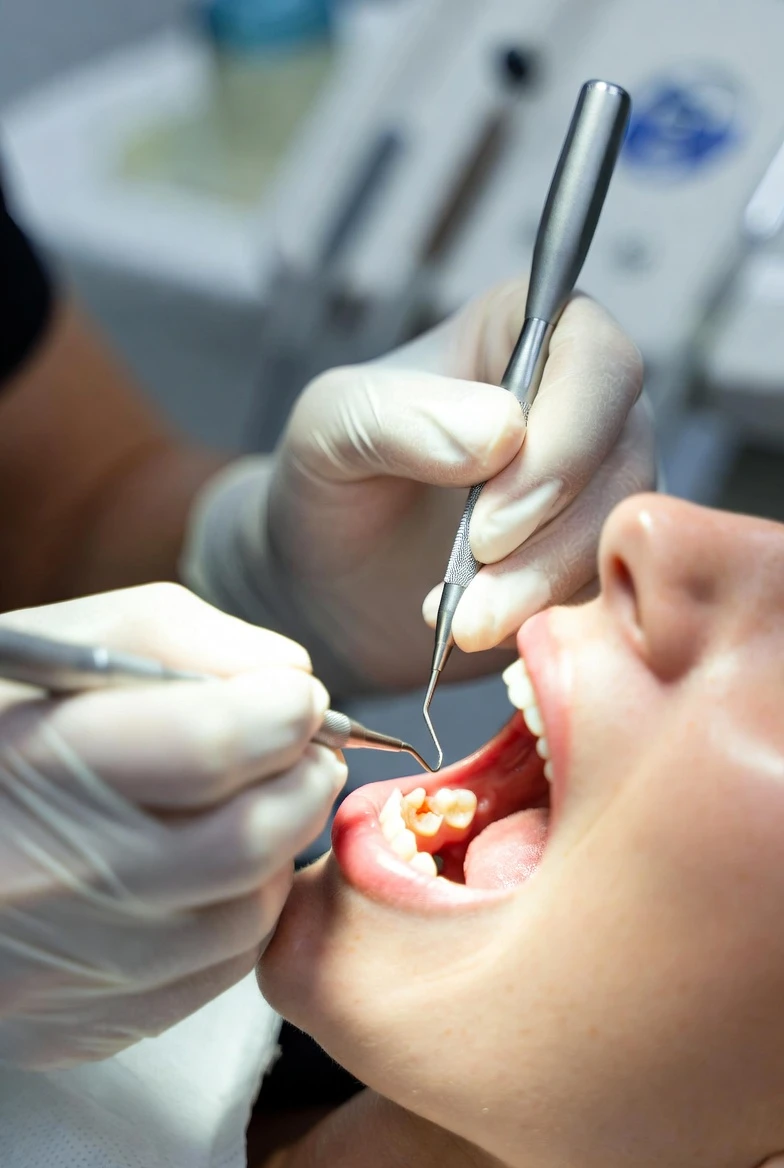
- Schedule dental cleanings every 6 months (more frequently if you have gum disease)
- Address cavities, broken fillings, or ill-fitting crowns promptly—these trap food and bacteria
- Treat gum disease aggressively—periodontal pockets are anaerobic bacteria paradise
- Consider professional breath analysis if self-care measures fail
| Daily Prevention Checklist | Morning | Evening | As Needed |
|---|---|---|---|
| Brush teeth | ✓ | ✓ | After sugary meals |
| Floss/interdental clean | ✓ | After food impaction | |
| Tongue scraping | ✓ | ✓ | |
| Mouthwash (alcohol-free) | Optional | ✓ | Before social situations |
| Hydration | Throughout day | ||
| Xylitol gum | After meals when brushing impossible |
When Prevention Isn't Enough: Red Flags
Sometimes, persistent bad breath signals underlying conditions requiring professional intervention. Don't ignore these warning signs:
- Sweet or fruity breath: Possible uncontrolled diabetes or diabetic ketoacidosis
- Ammonia or urine-like odor: Kidney dysfunction
- Musty or fishy smell: Liver disease
- Fecal odor: Bowel obstruction or severe constipation
- Persistent odor despite excellent oral care: Sinus infections, tonsil stones, or rare metabolic disorders
If you've maintained impeccable hygiene for 2-3 weeks without improvement, schedule appointments with both your dentist and primary care physician. The solution might lie beyond your mouth.
The Psychology of Fresh Breath
Beyond the biological mechanics, addressing bad breath impacts psychological wellbeing profoundly. Studies show that people with chronic halitosis experience:
- Social anxiety and avoidance
- Reduced professional confidence
- Relationship strain
- Depression and isolation
The good news? Effective prevention restores more than oral freshness—it rebuilds social confidence and emotional freedom. Patients who conquer chronic bad breath often describe it as "getting my life back."


























Sign in to leave a comment.