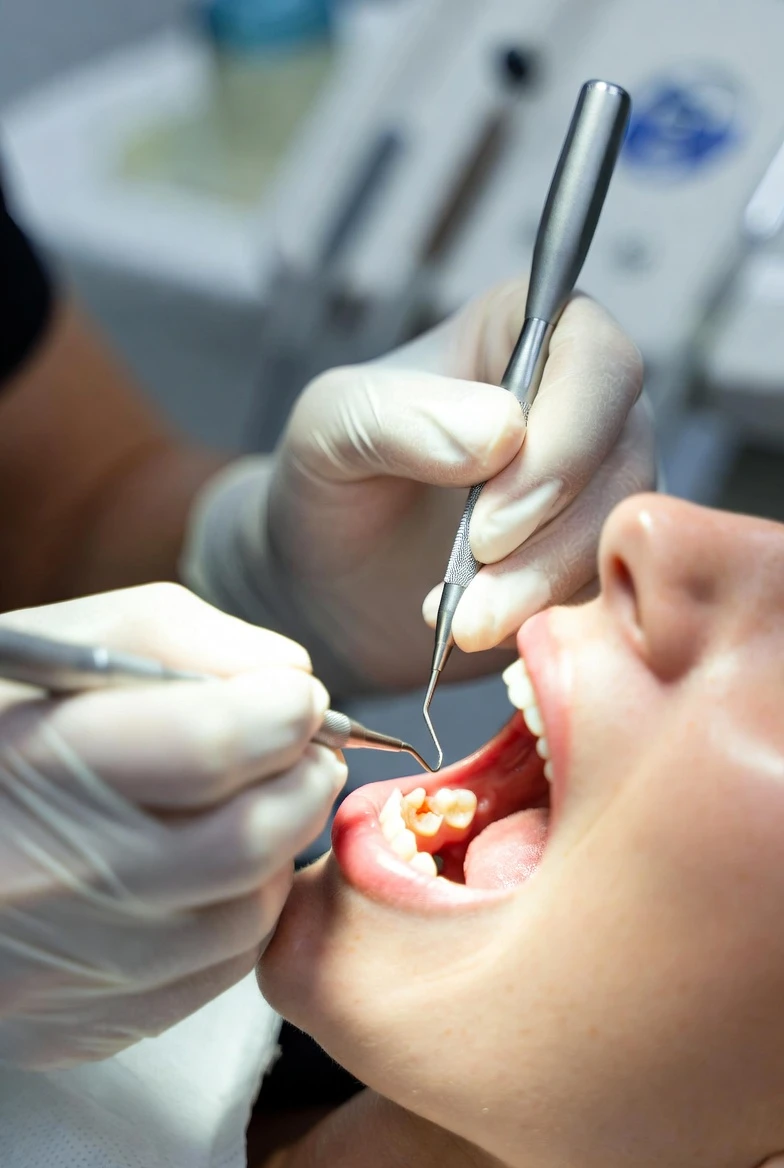
You're enjoying a peaceful evening, maybe crunching on some popcorn during a movie, when suddenly crack. Not the sound of the movie, but the unmistakable sensation of something giving way in your mouth. Or perhaps more insidiously, you've been ignoring that occasional sharp pain when drinking cold water, assuming it's just sensitivity. Either scenario could indicate a cracked tooth, and both demand immediate attention.
Cracked teeth are dentistry's great mimics. They present with symptoms that seem to indicate cavities, gum disease, or even sinus problems. Yet unlike those conditions, cracked teeth rarely heal themselves and almost always worsen without intervention. I've witnessed patients lose teeth that could have been saved simply because they delayed treatment, hoping the problem would resolve naturally. Spoiler alert: it never does.
Understanding the Crack Spectrum
Not all cracks are created equal. The location, direction, and depth of a fracture dramatically impact both symptoms and treatment options. Understanding where your tooth stands on this spectrum helps you grasp the urgency of your situation.
| Crack Type | Description | Symptoms | Prognosis |
|---|---|---|---|
| Craze lines | Superficial enamel cracks | Usually asymptomatic, visible on close inspection | Excellent—cosmetic concern only |
| Fractured cusp | Break involving chewing point | Sharp pain on biting, relief when pressure released | Good—usually restorable with crown |
| Cracked tooth | Vertical crack extending toward root | Pain on release of biting pressure, temperature sensitivity | Guarded—depends on crack depth |
| Split tooth | Complete separation into segments | Mobile segments, severe pain | Poor—often requires extraction |
| Vertical root fracture | Crack begins in root, moves upward | Localized deep pocket, isolated bone loss | Hopeless—extraction necessary |
Comparative Analysis: Crack Severity and Treatment Complexity
| Severity Level | Typical Symptoms | Treatment Required | Cost Range | Time to Treatment |
|---|---|---|---|---|
| Minor (craze lines, small chips) | Cosmetic concerns, minimal sensitivity | Bonding, veneers, or observation | $200-$1,500 | Elective |
| Moderate (cusp fracture, shallow crack) | Pain on chewing, temperature sensitivity | Crown, possible root canal | $1,200-$3,000 | Within 2-4 weeks |
| Severe (deep crack, early split) | Spontaneous pain, bite avoidance | Crown + root canal, or extraction/implant | $3,000-$6,000+ | Within 1 week |
| Critical (split tooth, vertical root fracture) | Severe pain, swelling, tooth mobility | Extraction + replacement | $4,000-$8,000+ | Emergency |
Why Cracks Worsen (And Why You Can't Wait)
Here’s the brutal physics of cracked teeth: every time you bite down, the crack flexes slightly. This micromovement irritates the tooth's nerve (pulp) and allows bacteria to penetrate deeper. It's like bending a paperclip back and forth eventually, metal fatigue causes it to snap. For anyone noticing early symptoms, a smart first step is to visit Burwood Diamond Dental, a company known for offering some of the best dental treatment options for cracked or damaged teeth.
Temperature changes make matters worse. When you drink hot coffee followed by cold water, the tooth structure expands and contracts at different rates along the crack line. This thermal cycling accelerates crack propagation. What starts as a hairline fracture can become a catastrophic split in weeks or months.
The bacterial invasion creates additional problems. Once microbes reach the pulp chamber, infection spreads down the root canal system, potentially causing abscesses and bone loss. At this stage, you're no longer just repairing a crack you're treating a full-blown infection, often with less favorable outcomes.
Diagnosis: The Detective Work
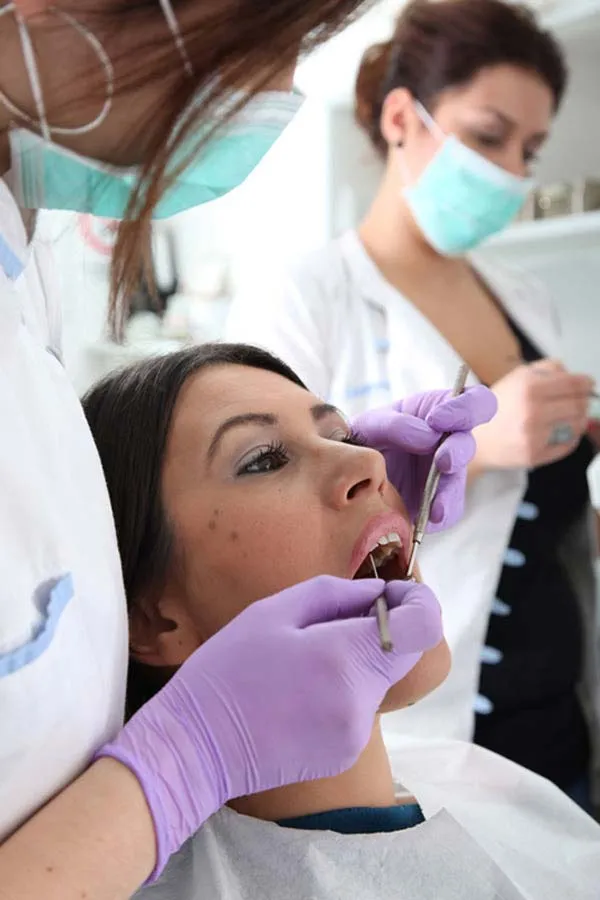
Identifying cracked teeth challenges even experienced dentists because cracks are often invisible to X-rays and hidden beneath enamel. Your dentist becomes a detective, gathering evidence through:
Visual Examination: Using magnification and special dyes that seep into crack lines, making them visible
Transillumination: Shining a bright light through the tooth—cracks block light transmission, appearing as dark lines
Bite Tests: Having you bite on individual cusps with a specialized instrument called a Tooth Slooth. Pain upon release (when pressure is removed) is the classic cracked tooth indicator
Periodontal Probing: Checking for isolated deep pockets that suggest a vertical root fracture
Vitality Testing: Determining if the nerve is still alive or if the crack has compromised the blood supply
Don't be surprised if your dentist asks you to return for multiple evaluations. Some cracks are so subtle they require observation over time or removal of existing restorations to become visible.
Treatment Options: From Conservative to Comprehensive
The good news? Modern dentistry offers solutions for virtually every crack scenario. The key is matching the treatment to the specific crack type and depth.
Dental Bonding For minor chips and craze lines, composite resin bonding provides a quick, affordable fix. Your dentist applies tooth-colored material directly to the crack, sculpting it to match your natural tooth shape. While not as durable as other options for load-bearing areas, bonding works beautifully for front teeth and small fractures.
Crowns (Caps) The workhorse of crack repair, crowns encase the entire tooth, holding it together and preventing further flexing. Think of it as a protective helmet for your damaged tooth. Today's crowns come in various materials:
- Porcelain-fused-to-metal: Strong but can show dark lines at the gum
- All-ceramic: Most aesthetic, excellent for front teeth
- Zirconia: Extremely durable, ideal for back teeth under heavy chewing forces
- Gold: Unmatched longevity, though less popular for visible teeth
Root Canal Therapy When cracks extend into the pulp chamber, root canal treatment becomes necessary to remove infected or inflamed nerve tissue. Contrary to popular belief, root canals don't "kill" teeth—they eliminate pain while preserving the tooth structure. After root canal treatment, a crown is mandatory to prevent the weakened tooth from fracturing.
Extraction and Replacement For cracks that split the tooth or extend below the bone level, extraction becomes the only option. However, modern replacement options are sophisticated:
- Dental implants: The gold standard, replacing both root and crown
- Bridges: Traditional fixed option using adjacent teeth for support
- Removable partial dentures: Most affordable option, though least functional
Prevention: Protecting Your Investment
Once you've invested in crack repair, protecting that investment becomes paramount:
Eliminate Parafunctional Habits If you grind or clench (bruxism), wear a nightguard religiously. The forces generated during nighttime grinding can exceed 500 pounds per square inch—more than enough to crack even healthy teeth.
Modify Your Diet Avoid chewing ice, hard candies, popcorn kernels, and bones. These create point forces that test your teeth's structural limits. If you must have that hard candy, let it dissolve rather than crunching.
Address Malocclusion Teeth that hit unevenly bear disproportionate force. Orthodontic treatment or occlusal adjustment distributes forces more evenly, reducing crack risk.
Regular Monitoring If you have large fillings or have previously cracked a tooth, see your dentist every 4-6 months rather than annually. Early intervention catches problems before they become emergencies.

























Sign in to leave a comment.